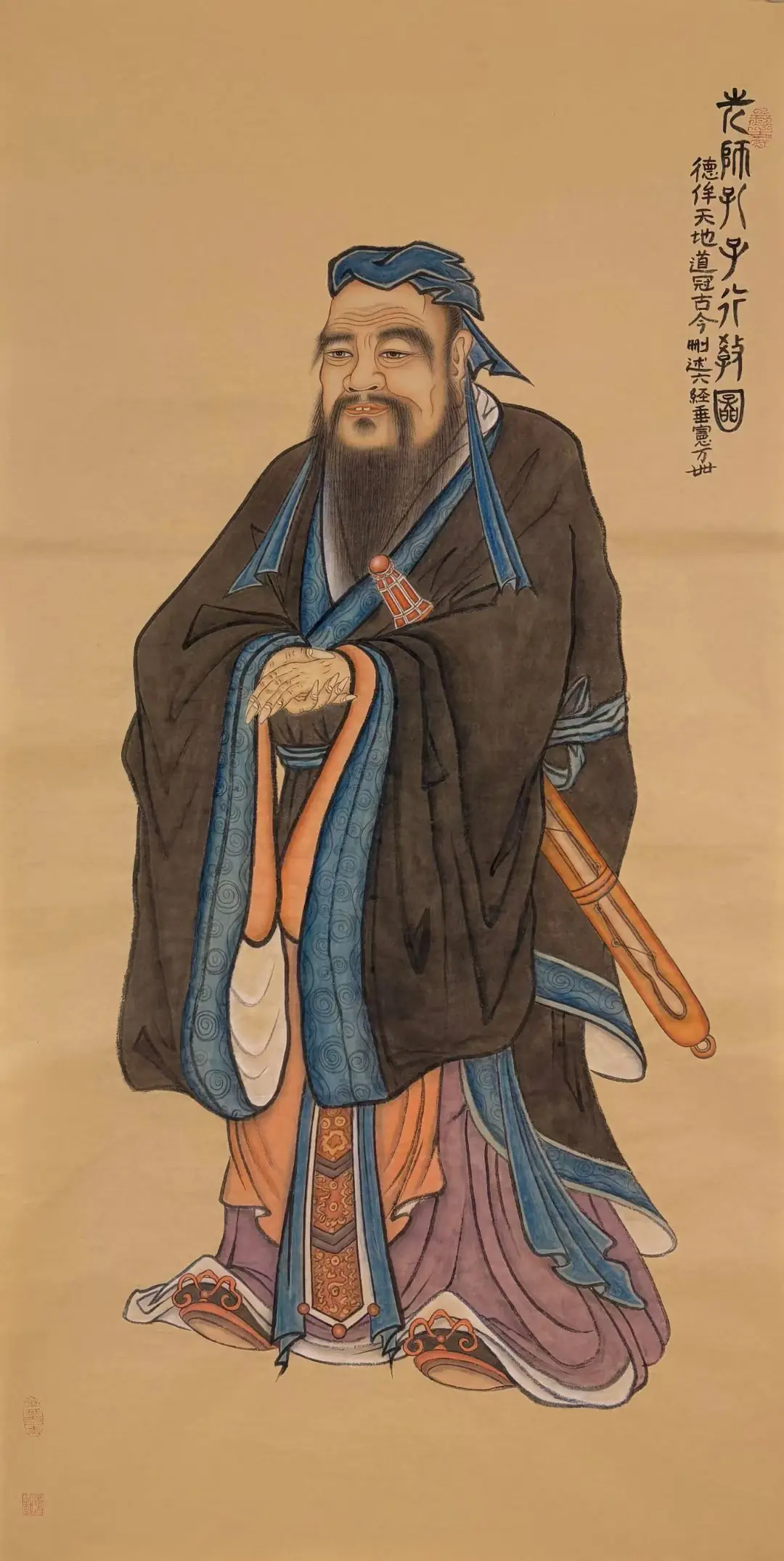
The Original Quote:
子曰:“射不主皮,为力不同科,古之道也。”
Zǐ yuē: “Shè bù zhǔ pí, wèi lì bù tóng kē, gǔ zhī dào yě.”
English Translation:
The Master said, “In archery, one does not seek to pierce the hide, for strength varies among men. Such was the Way of antiquity.”
Key Concepts Explained:
- 礼 (Lǐ): Ritual propriety—the structured, ceremonial expression of virtue that cultivates inner harmony and social order, here guiding archery as a moral practice rather than a contest of force.
- 道 (Dào): The Way—the timeless principle of righteous conduct, exemplified by the ancients who prioritized character over physical prowess.
- 德 (Dé): Virtue—the moral quality of the gentleman, refined through ritual and reflected in actions that seek harmony, not victory.
Cultural Context:
This passage from the Analects (3:16) reflects the Zhou dynasty’s archery ritual (射礼, Shè Lǐ), a cornerstone of aristocratic education. Unlike martial archery focused on penetration, this rite emphasized accuracy and composure, aiming to reveal the archer’s inner virtue (德) rather than raw strength. Confucius revives this ancient standard to critique his era’s shift toward competitive display, teaching that true nobility lies in self-cultivation, not dominance. The principle—君子无所争, “the gentleman has nothing to contend for”—resonates across Confucian thought, urging a life of grace over strife.