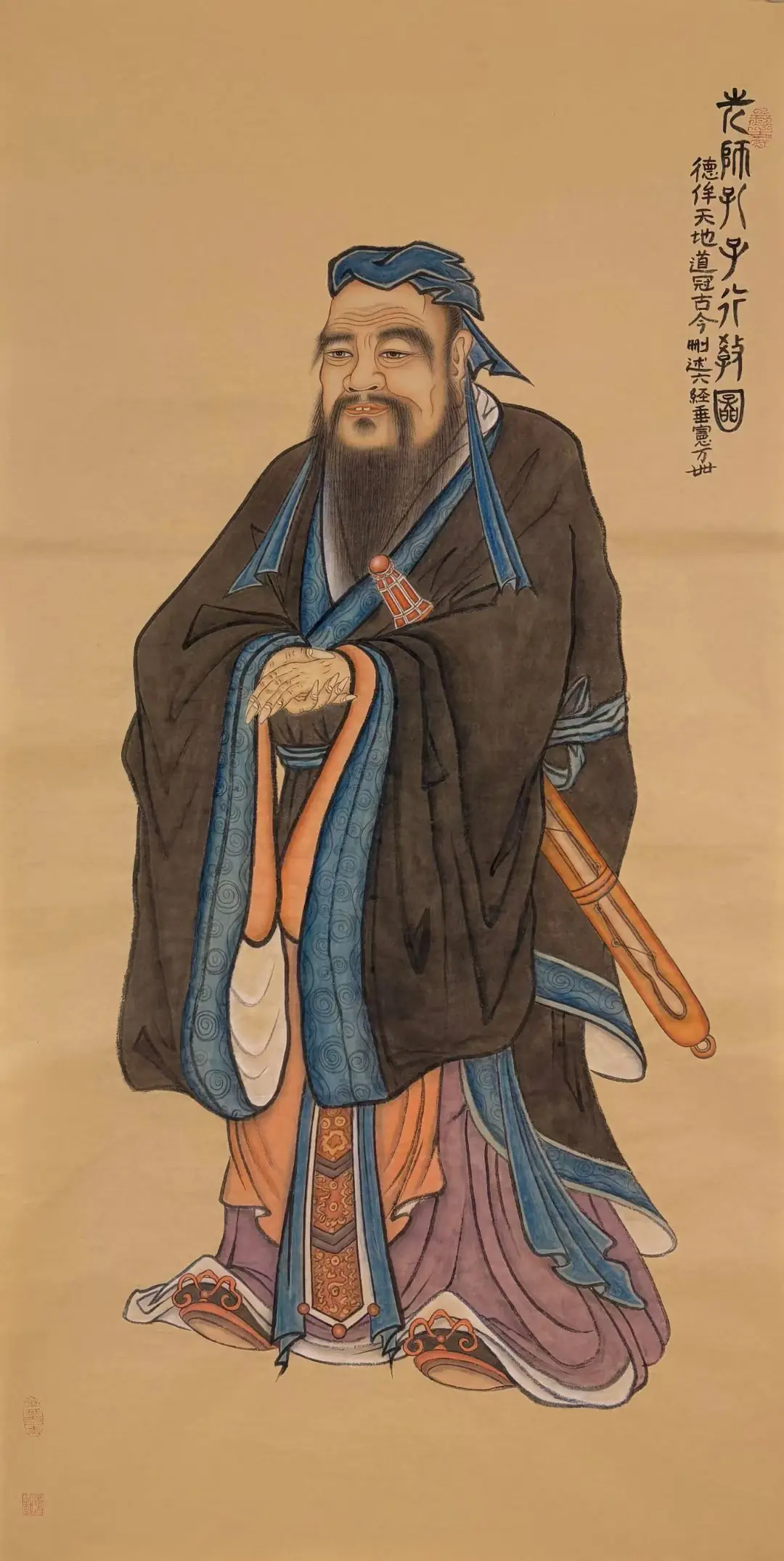
The Original Quote:
子曰:“能以礼让为国乎?何有?不能以礼让为国,如礼何?”
Zǐ yuē: "Néng yǐ lǐ ràng wéi guó hū? Hé yǒu? Bù néng yǐ lǐ ràng wéi guó, rú lǐ hé?"
English Translation:
“If a ruler can govern the state with ritual propriety (lǐ) and yielding humility (ràng), what difficulty shall there be? If he cannot govern with ritual propriety and yielding humility, of what use is ritual propriety itself?”
Key Concepts Explained:
- Lǐ (礼): Ritual propriety, encompassing rites, customs, and social norms that cultivate moral order and harmony. In governance, lǐ is not mere ceremony but the living expression of virtue through proper conduct.
- Ràng (让): Yielding or humility, the disposition to defer to others and prioritize collective harmony over personal ambition. It is the inner virtue that animates outer ritual.
- Wéi guó (为国): To govern or lead the state, implying not just administration but moral cultivation of society through virtuous example.
- Rén (仁): Humaneness or benevolence, the cardinal Confucian virtue that underlies both lǐ and ràng, representing the heart of ethical leadership.
Cultural Context:
This passage from the Analects (Lúnyǔ, Book 4, Chapter 13) reflects the turbulent Spring and Autumn period (770–476 BCE), when feudal lords often neglected virtue in favor of force and intrigue. Confucius (Kǒngzǐ) critiques rulers who perform rituals without embodying their spirit—specifically, the spirit of yielding humility (ràng), which ancient sage-kings like Yáo and Shùn exemplified by abdicating thrones to the worthy. The saying underscores a core Confucian conviction: effective governance depends not on coercive laws or empty rites, but on leaders who first cultivate inner virtue, thereby inspiring moral transformation throughout society. This teaching remains influential in East Asian political philosophy, emphasizing that true authority flows from moral example rather than positional power.