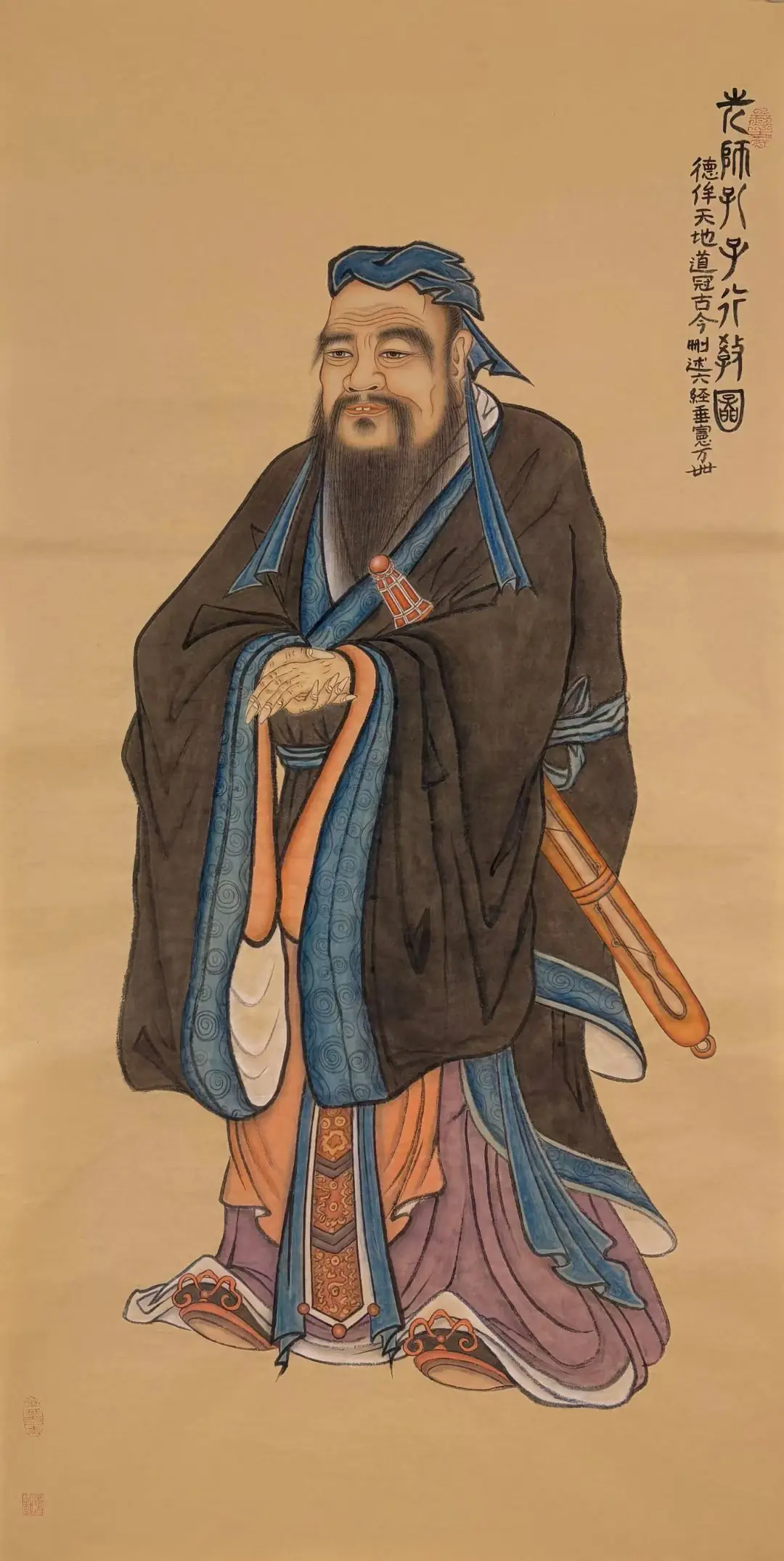
The Original Quote:
子曰:“见贤思齐焉,见不贤而内自省也。”
Zǐ yuē: “Jiàn xián sī qí yān, jiàn bù xián ér nèi zì xǐng yě.”
English Translation:
“When you see a person of virtue, think of becoming their equal; when you see one without virtue, turn inward and examine yourself.” — Confucius, *The Analects* (Lǐ Rén 4.17)
Key Concepts Explained:
- Self-Reflection (zì xǐng, 自省): The practice of introspective examination to identify and correct one’s own shortcomings, essential for moral growth and self-cultivation.
- Virtue (xián, 贤): Moral excellence or worthiness; a person of virtue embodies qualities such as benevolence (rén, 仁), righteousness (yì, 义), and propriety (lǐ, 礼).
- Inner Rectification (nèi zì xǐng, 内自省): A process of turning inward to scrutinize one’s thoughts and actions, often in response to observing others’ faults, to align with ethical standards.
- Moral Cultivation (xiū shēn, 修身): The Confucian ideal of continuous self-improvement through learning, reflection, and practice, aiming to achieve harmony within and society.
Cultural Context:
This passage from *The Analects* (Book 4, Chapter 17) reflects Confucius’s emphasis on self-cultivation as a lifelong journey. In classical Chinese thought, “seeing the virtuous” (jiàn xián) encourages emulation of positive role models, while “seeing the non-virtuous” (jiàn bù xián) prompts critical self-examination—a method that avoids idle speculation by grounding reflection in real-world observation. Historical figures like Su Shi (苏轼) and his mother exemplify this principle: inspired by Fan Pang’s integrity, Su Shi aspired to similar moral courage. This teaching underscores the Confucian belief that self-awareness and correction are more vital than grand achievements, as they foster inner strength and societal harmony. The concept resonates across cultures, akin to the Greek philosopher Democritus’s notion that “repentance for shameful deeds is the salvation of life.”