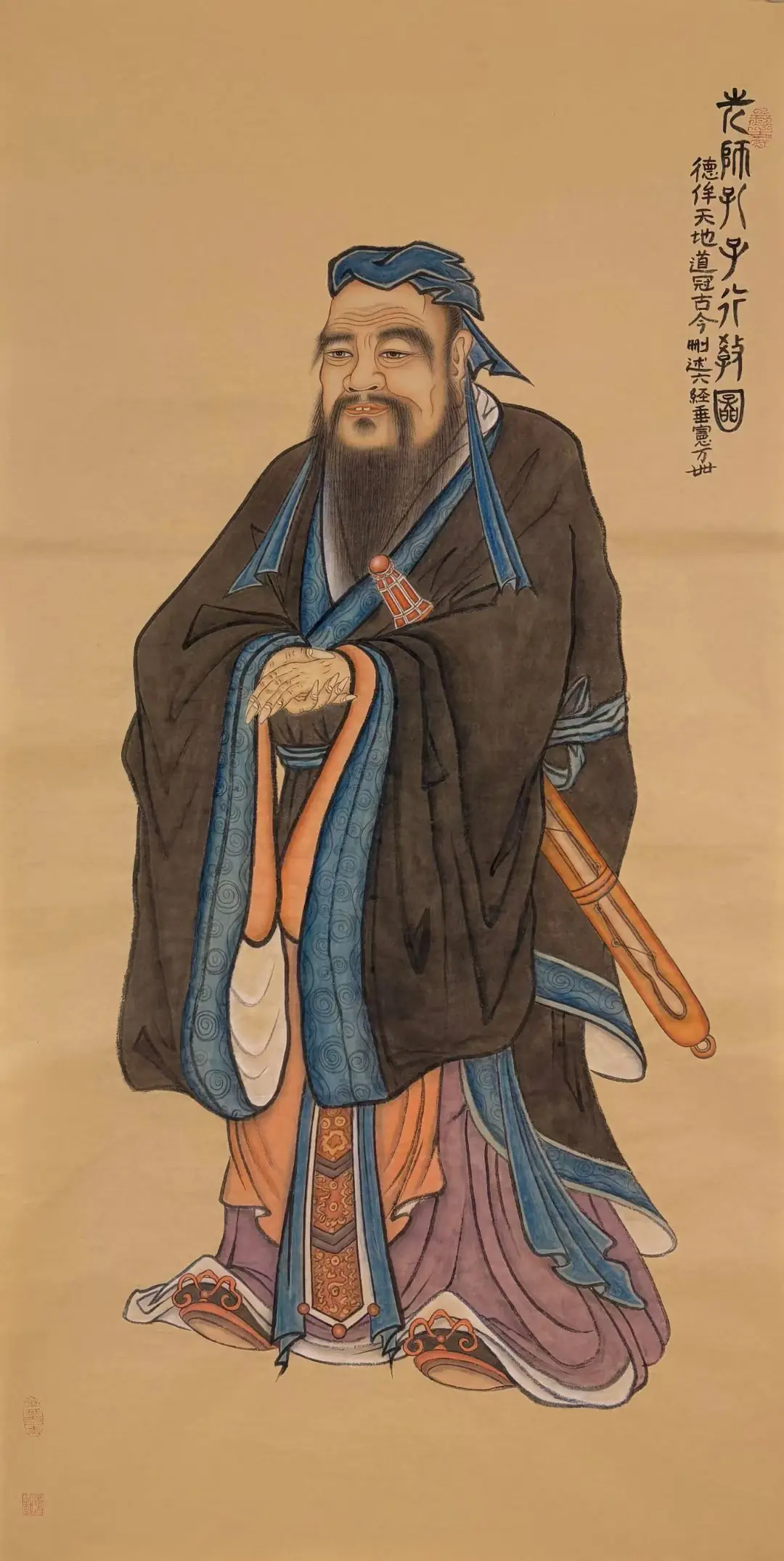
The Original Quote:
子曰:“古者言之不出,耻躬之不逮也。”
Zǐ yuē: “Gǔ zhě yán zhī bù chū, chǐ gōng zhī bù dài yě.”
English Translation:
The Master said, “The ancients were reluctant to speak, for they deemed it a shame if their actions failed to match their words.”
Key Concepts Explained:
- 言 (yán): Speech or words—representing one’s verbal commitments and public statements.
- 耻 (chǐ): Shame or moral disgrace—a core Confucian virtue that motivates self-cultivation and integrity.
- 躬 (gōng): The self or personal action—emphasizing the alignment between one’s deeds and one’s words.
- 信 (xìn): Trustworthiness or faithfulness—a foundational concept in Confucian ethics, often linked to rén (仁, benevolence) and lǐ (礼, ritual propriety).
Cultural Context:
This passage from The Analects (Lunyu 4.22) reflects Confucius’s emphasis on 言行一致 (yán xíng yī zhì)—the harmony of words and deeds. In ancient Chinese society, a ruler or gentleman’s credibility was paramount for social order and moral leadership. The historical example of Fan Shi and Zhang Shao, as cited in the commentary, illustrates the ideal of 信 (xìn): despite great distance and time, Fan Shi honored his promise, earning lasting respect. Confucius warns against 轻诺寡信 (qīng nuò guǎ xìn)—making promises lightly but failing to keep them—which undermines personal virtue and social trust. This teaching remains relevant today, urging caution in speech and diligence in action.