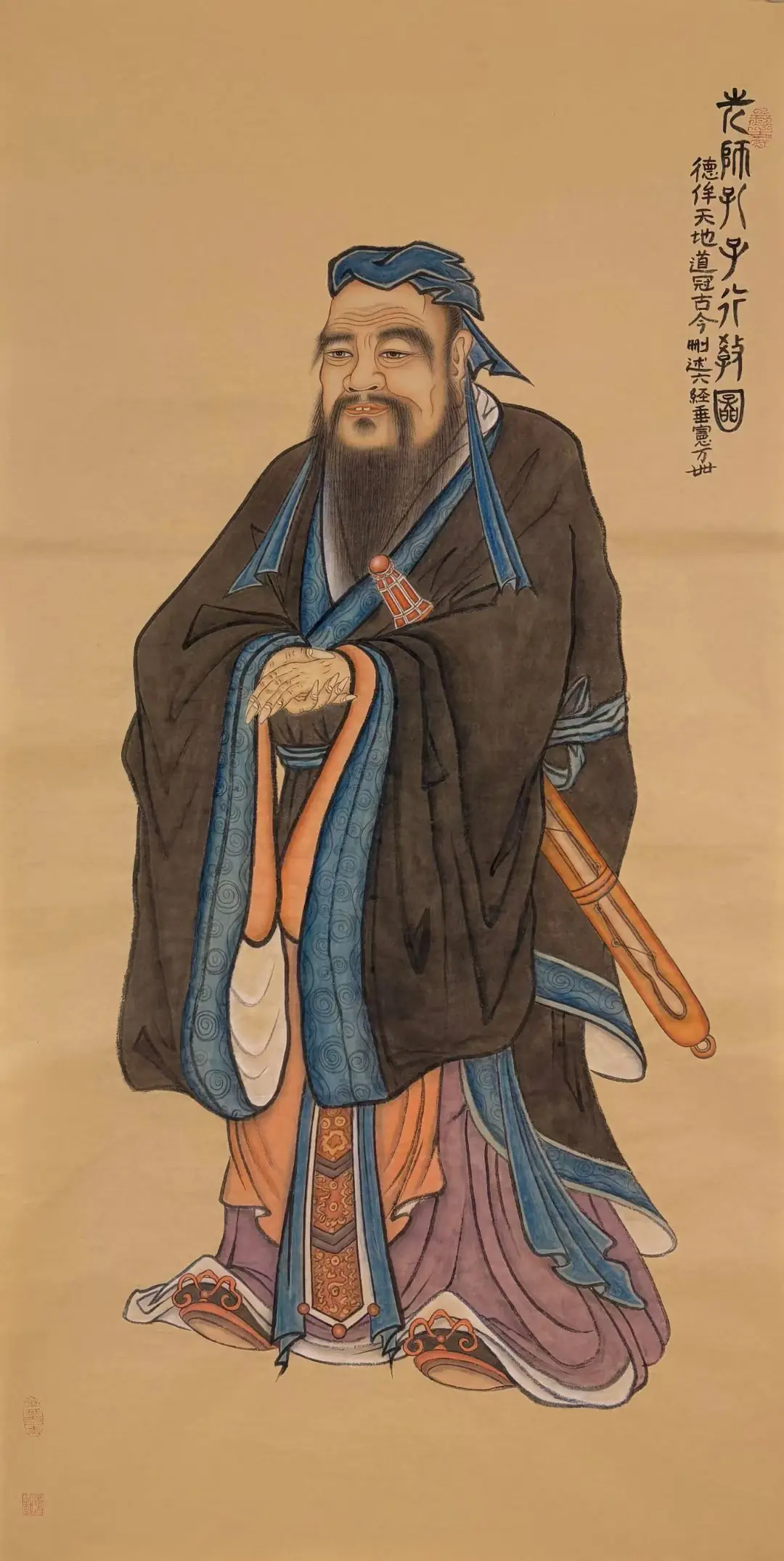
The Original Quote:
子曰:“德不孤,必有邻。”
Zǐ yuē: “Dé bù gū, bì yǒu lín.”
English Translation:
The Master said: "Virtue never dwells in solitude; it shall ever draw kindred spirits as neighbors."
Key Concepts Explained:
- 德 (Dé): Virtue, moral power or inner excellence cultivated through right conduct and self-cultivation, akin to a magnetic force that attracts others.
- 孤 (Gū): Solitude or isolation, implying a state of being without companions or moral support.
- 邻 (Lín): Neighbor, here metaphorically meaning like-minded companions or allies who share one's moral values.
Cultural Context:
This aphorism from the Analects (Lǐ Rén, 4.25) reflects Confucius’ conviction that moral cultivation inherently fosters community. In early Chinese thought, virtue (Dé) was not merely personal but relational: a person of integrity naturally attracts others, creating a network of mutual support. Historically, this principle was exemplified by King Wen and King Wu of Zhou, who gathered virtuous ministers like Jiang Ziya and the Duke of Zhou, contrasting with the tyrant King Zhou of Shang, whose moral decay led to isolation and downfall. The saying underscores the Confucian belief that social harmony begins with individual character, and that true power lies not in might but in moral influence.