The Original Quote:
子曰:“富与贵,是人之所欲也;不以其道得之,不处也。贫与贱,是人之所恶也;不以其道得之,不去也。君子去仁,恶乎成名?君子无终食之间违仁,造次必于是,颠沛必于是。”
Zǐ yuē: "Fù yǔ guì, shì rén zhī suǒ yù yě; bù yǐ qí dào dé zhī, bù chǔ yě. Pín yǔ jiàn, shì rén zhī suǒ è yě; bù yǐ qí dào dé zhī, bù qù yě. Jūnzǐ qù rén, è hū chéng míng? Jūnzǐ wú zhōng shí zhī jiān wéi rén, zàocì bì yú shì, diānpèi bì yú shì."
English Translation:
Wealth and honor are what every person desires; yet if they are obtained through improper means, the noble person (jūnzǐ) does not abide by them. Poverty and lowliness are what every person detests; yet if they are escaped through improper means, the noble person does not depart from them. If the noble person forsakes humaneness (rén), how can he be worthy of the name? The noble person does not violate humaneness even for the duration of a single meal; in haste and urgency, he cleaves to it, and in times of hardship and wandering, he likewise cleaves to it.
Key Concepts Explained:
- Rén (仁): Often translated as "humaneness" or "benevolence," this is the core Confucian virtue—a moral quality of kindness, empathy, and righteousness that defines noble character. It is not merely a feeling but a constant ethical practice.
- Dào (道): Meaning "the Way" or "proper path," this refers to the moral and natural order that guides ethical conduct. In this context, it signifies the righteous means of acquiring or avoiding wealth and poverty.
- Jūnzǐ (君子): Literally "ruler's son," but in Confucian thought, it denotes the "noble person" or "exemplary individual"—one of moral integrity, cultivated through learning and self-discipline, who embodies rén.
- Mìng (命): While not directly in this text, it relates to "fate" or "mandate" as a backdrop; here, the noble person accepts one's station while acting with virtue, not passively submitting to circumstance.
Cultural Context:
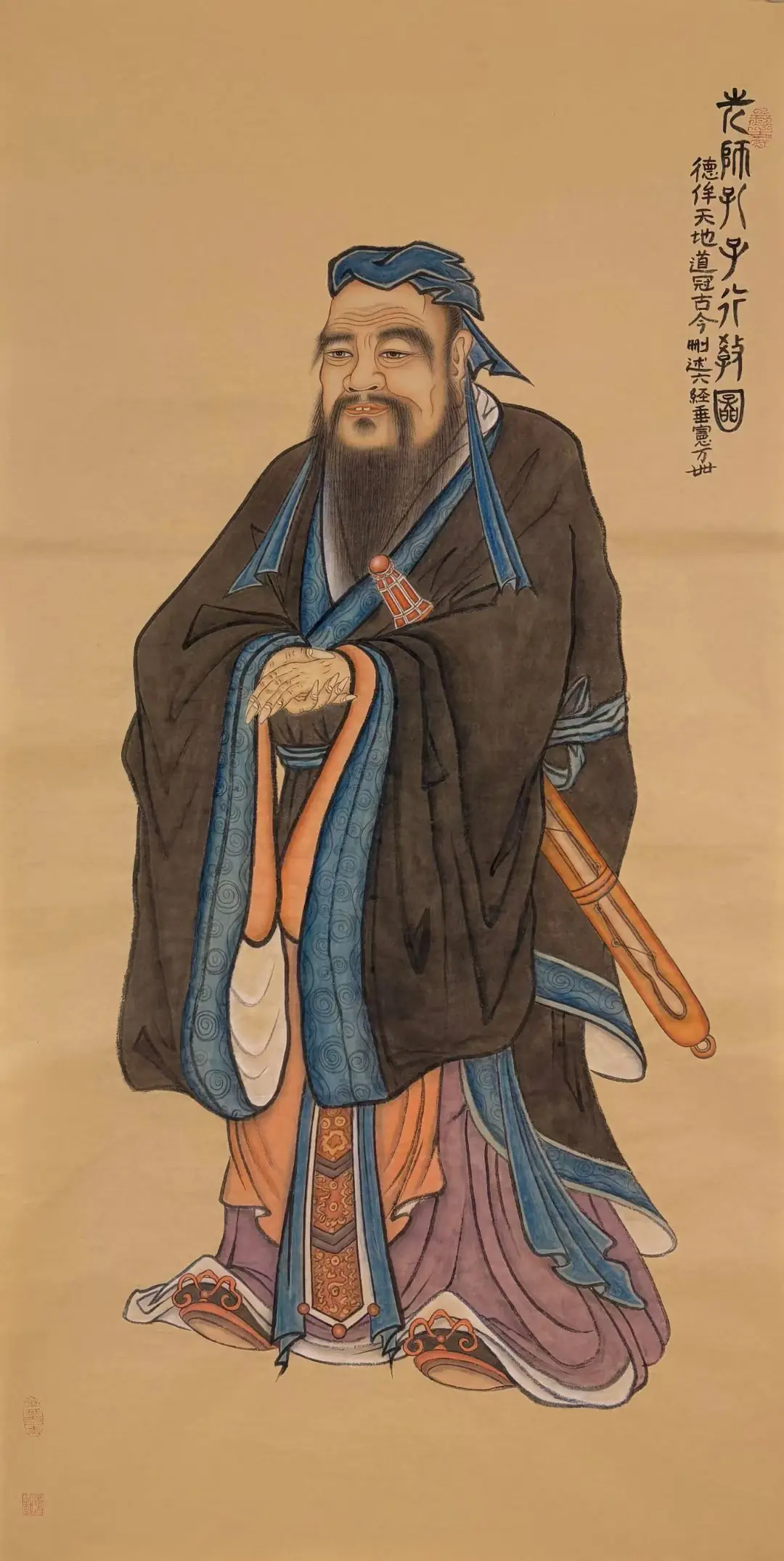
This passage from the Analects (Lúnyǔ, 論語) reflects Confucius's (Kǒngzǐ, 孔子, 551–479 BCE) emphasis on moral consistency over material gain. During the turbulent Spring and Autumn period, social mobility challenged traditional hierarchies, and Confucius argued that true nobility lies in ethical conduct (rén) rather than birth or wealth. The text underscores the ideal of the jūnzǐ as one who remains steadfast in virtue regardless of external conditions—a principle that shaped Chinese civil service ethics and personal cultivation for millennia. It also highlights the Confucian tension between desire (yù) and righteousness (yì), urging self-cultivation to align personal wants with moral duty, a theme central to East Asian educational and philosophical traditions.