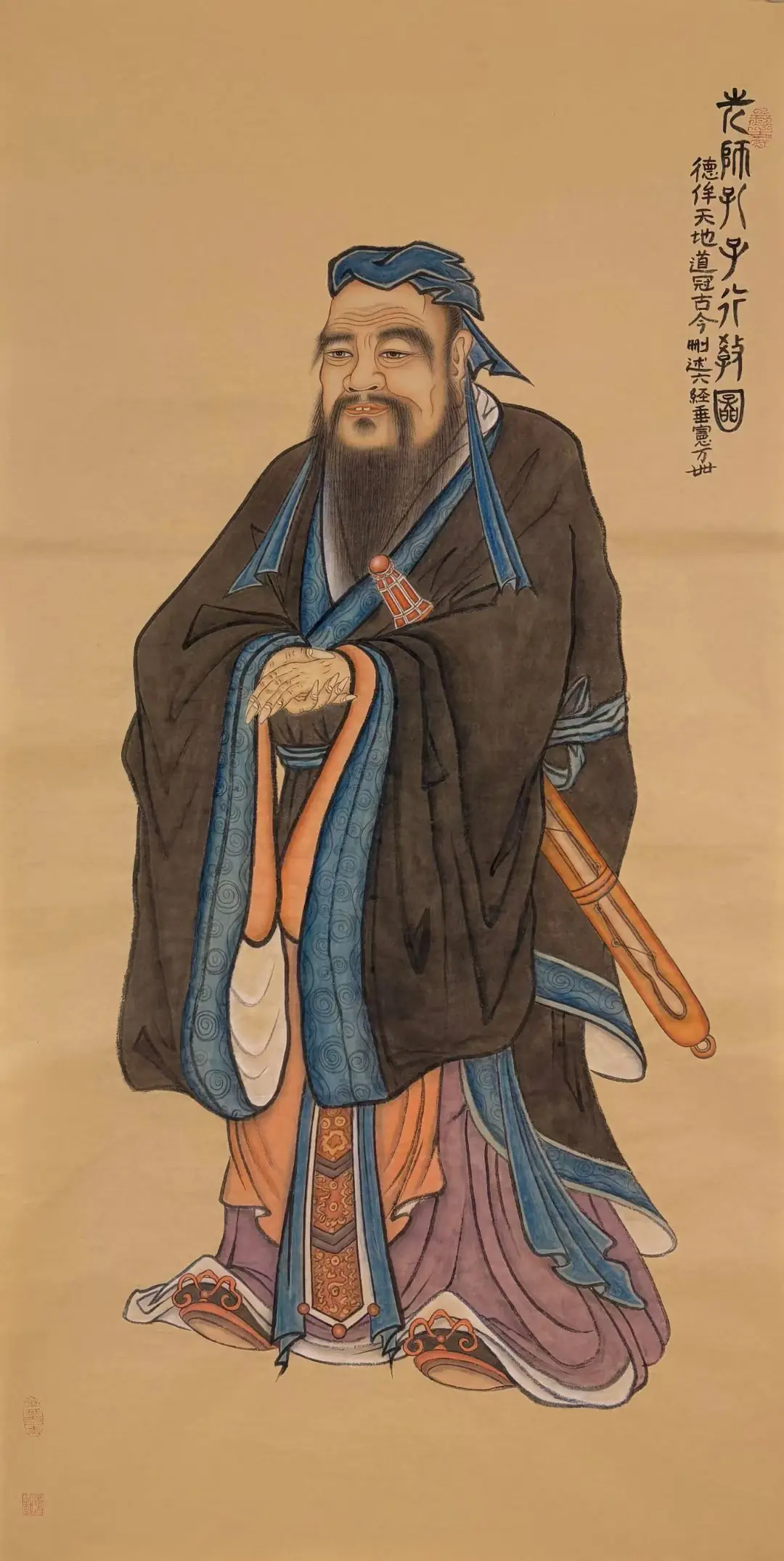
The Original Quote:
子曰:“唯仁者能好人,能恶人。”
Zǐ yuē: “Wéi rén zhě néng hào rén, néng wù rén.”
English Translation:
“Only the humane man can truly love others and truly despise others.”
Or, in a more classical rendering: “Only the virtuous, possessed of benevolence, are capable of justly esteeming and reproving their fellow men.”
Key Concepts Explained:
- 仁 (rén): "Benevolence" or "humaneness"—the cardinal virtue in Confucianism, signifying a cultivated heart-mind that acts with compassion, integrity, and impartiality. The 仁者 (rén zhě) is one who embodies this quality, free from selfish bias.
- 好 (hào) and 恶 (wù): "To love/esteem" and "to despise/reprove." In this context, they denote not mere personal preference, but a morally grounded and objective judgment of character.
- 命 (mìng): "Mandate" or "destiny"—the natural order or cosmic decree that underlies righteous conduct; here, implicit in the idea that 仁 aligns with the impartial Way of Heaven (天道, tiān dào).
Cultural Context:
This passage from the Analects (Lunyu 4.3) challenges the common misperception that Confucian 仁 (rén) is merely unconditional kindness. Confucius asserts that true benevolence includes the capacity for righteous indignation—to condemn evil as readily as praise good. In the Tang dynasty, Minister Wang Gui exemplified this principle by offering impartial evaluations of his colleagues, earning Emperor Taizong's trust. Historically, this teaching guided officials to judge without partiality, fostering a just society. For modern learners, it underscores that fairness in judgment requires both emotional empathy and rational detachment, a timeless lesson in ethical leadership.