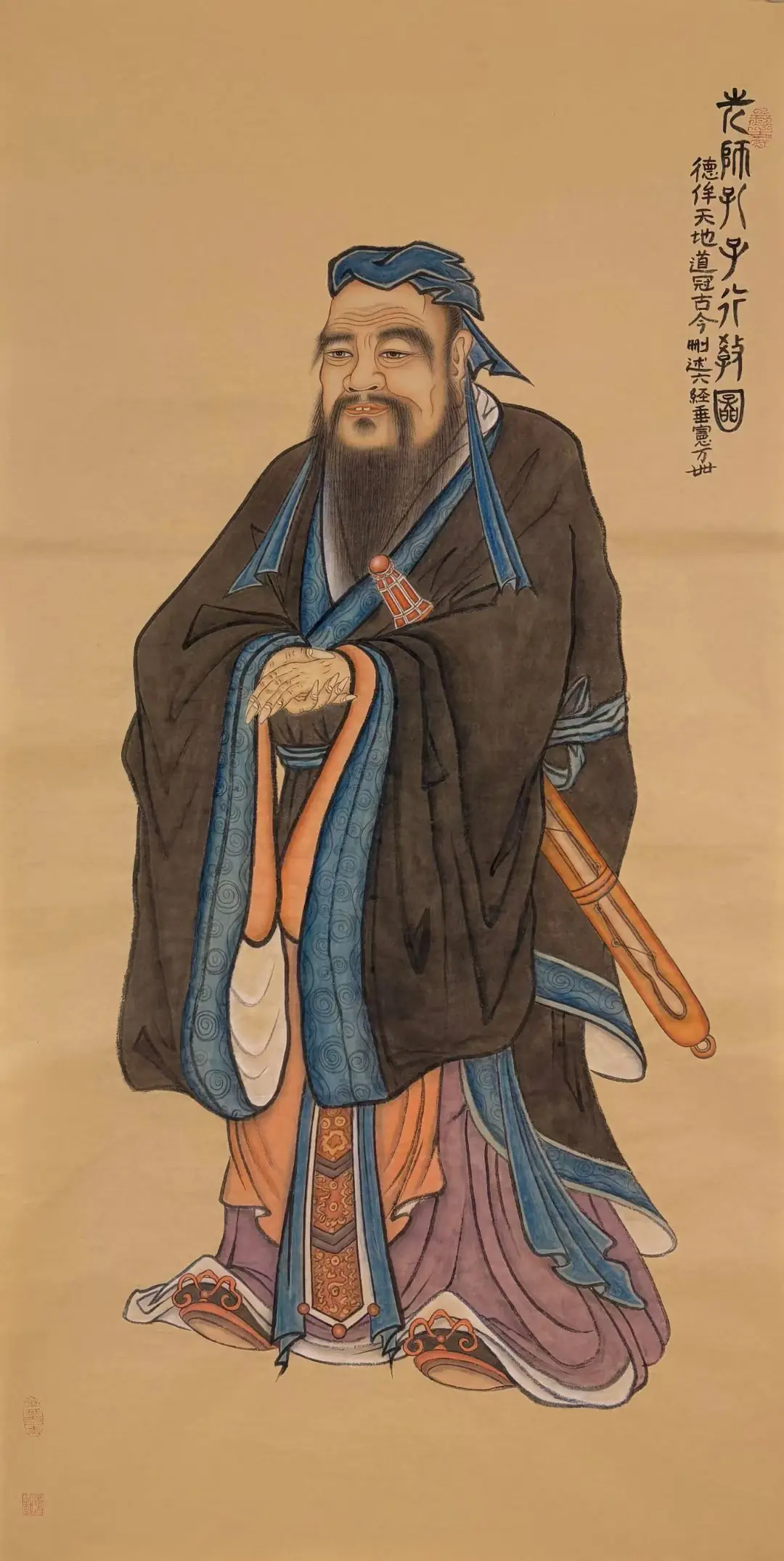
The Original Quote:
子曰:“父母在,不远游,游必有方。”
Zǐ yuē: “Fù mǔ zài, bù yuǎn yóu; yóu bì yǒu fāng.”
English Translation:
“While one’s parents are alive, one should not travel to distant places; if travel is necessary, there must be a fixed destination.” — This counsel embodies the Confucian virtue of xiào (filial piety), urging children to remain near their parents to attend to their needs, and if compelled to journey afar, to ensure the purpose and location are known, thus preserving familial duty and order.
Key Concepts Explained:
- 孝 (Xiào): Filial piety, the foundational virtue of respecting and caring for one’s parents, central to Confucian ethics.
- 礼 (Lǐ): Ritual propriety, the framework of social norms and duties that guide harmonious relationships, including those between parent and child.
- 仁 (Rén): Benevolence or humaneness, the core virtue that manifests in acts of love and duty toward others, especially family.
- 命 (Mìng): Mandate or destiny, often referring to the natural order and one’s role within it, as shaped by familial and social bonds.
Cultural Context:
In ancient China, an agrarian society with limited mobility, the family unit was the bedrock of social order. Confucius lived during the Warring States period (c. 5th century BCE), a time of upheaval when loyalty to family was paramount for stability. Travel was rare and perilous; thus, staying near parents ensured their care and upheld the patriarchal hierarchy. This teaching reflects the Confucian emphasis on lǐ (ritual propriety) and xiào (filial piety), contrasting with maritime cultures where exploration fostered trade and individualism. Today, while technology bridges distances, the underlying call to maintain meaningful connections with parents remains a timeless moral touchstone.