The Original Quote:
子曰:“不仁者不可以久处约,不可以长处乐。仁者安仁,知者利仁。”
Zǐ yuē: “Bù rén zhě bù kě yǐ jiǔ chù yuē, bù kě yǐ cháng chù lè. Rén zhě ān rén, zhì zhě lì rén.”
English Translation:
“One devoid of virtue (rén) cannot long abide in adversity, nor can he long dwell in prosperity. The virtuous find peace in virtue; the wise find advantage in virtue.”
Key Concepts Explained:
- Rén (仁): Central Confucian virtue encompassing benevolence, humaneness, and moral perfection—the inner quality that enables one to act with compassion and integrity.
- Zhì (知): Wisdom or discernment—the ability to recognize that practicing virtue leads to long-term benefit and harmony.
- Ān rén (安仁): “Resting in virtue”—a state where one naturally dwells in moral conduct without external reward, finding inner peace.
- Lì rén (利仁): “Benefiting from virtue”—the wise person’s recognition that virtue yields practical and enduring advantages.
Cultural Context:
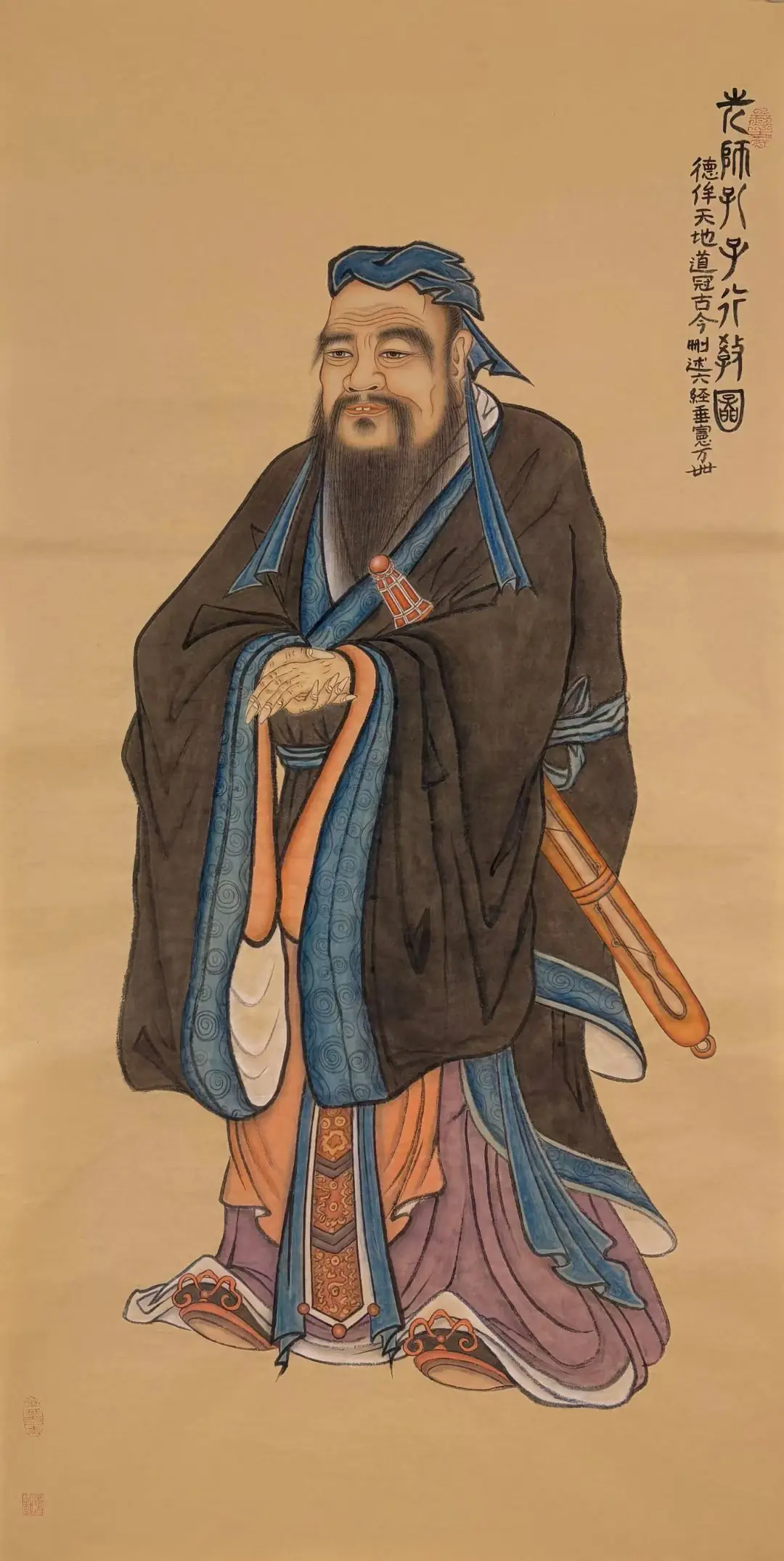
This passage from the Analects (Lúnyǔ, 论语) reflects Confucius’s (Kǒngzǐ, 孔子, 551–479 BCE) emphasis on moral character as the foundation for stability in all life circumstances. In ancient China’s hierarchical society, where poverty and wealth were often tied to fate (mìng, 命), Confucius taught that only the virtuous could maintain dignity and purpose amid change. This idea influenced centuries of Chinese education and governance, promoting self-cultivation as the key to social harmony. The contrast between the “virtuous” (rén zhě) and the “wise” (zhì zhě) also highlights a pragmatic dimension: virtue is both an end in itself and a path to practical wisdom.