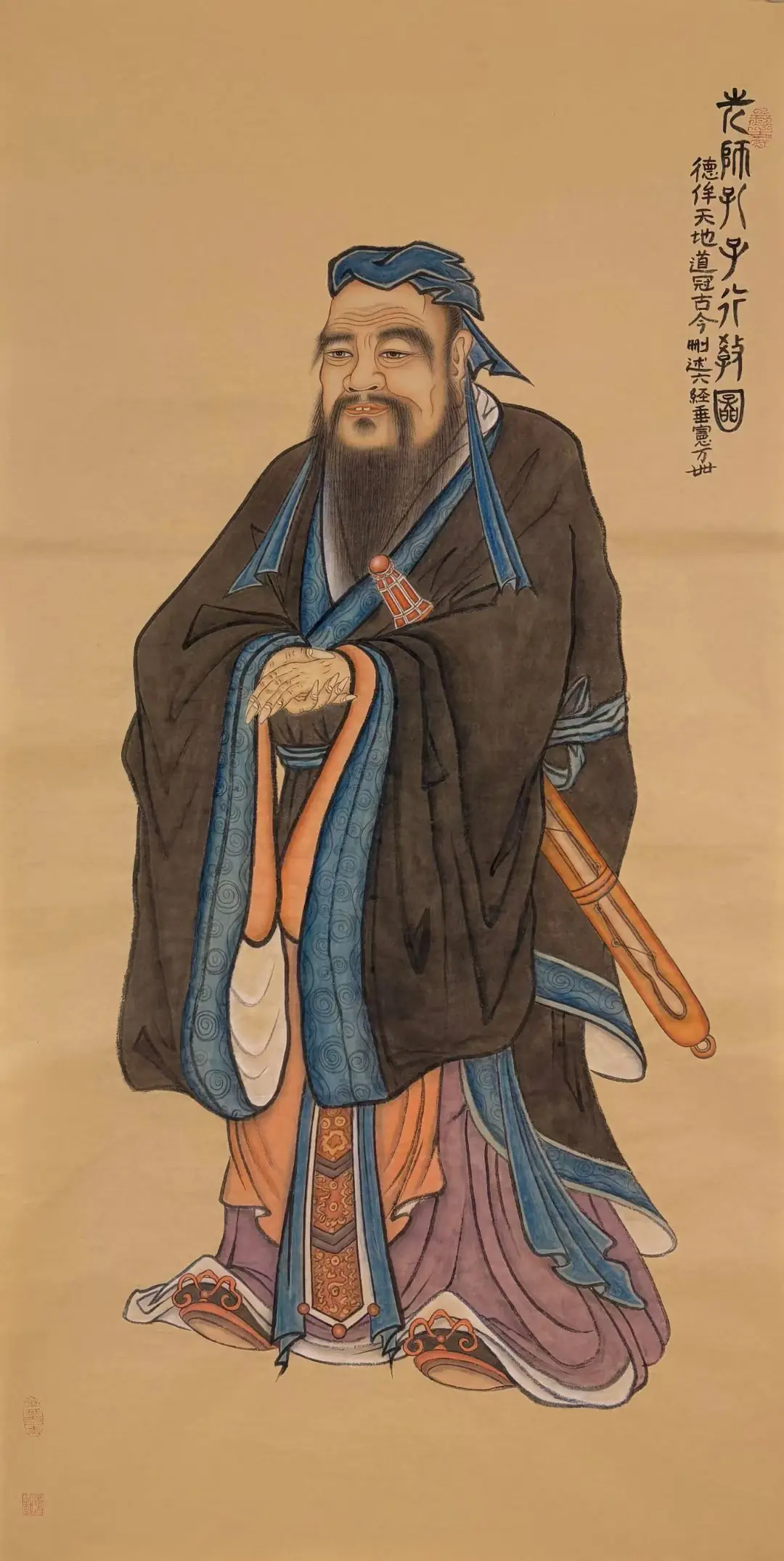
The Original Quote:
子曰:“士志于道,而耻恶衣恶食者,未足与议也。”
Zǐ yuē: "Shì zhì yú dào, ér chǐ è yī è shí zhě, wèi zú yǔ yì yě."
English Translation:
The Master said: "A scholar who sets his heart upon the Way (dào), yet is ashamed of poor garments and coarse food—such a one is not worth engaging in discourse with."
Key Concepts Explained:
- 道 (Dào): The Way—the ultimate moral and cosmic principle that guides human conduct toward harmony and virtue. It represents the path of righteousness and self-cultivation.
- 士 (Shì): A scholar-official or gentleman of learning, whose duty is to pursue moral excellence and serve society.
- 耻 (Chǐ): Shame—a sense of moral disgrace, here misdirected toward material poverty rather than ethical failure.
Cultural Context:
This passage from the Analects (Lúnyǔ) reflects Confucius's emphasis on inner virtue over external wealth. In ancient China, scholars (shì) were expected to embody moral integrity, often living frugally to focus on self-cultivation. The text critiques those who claim to pursue the Way (dào) but remain attached to comfort, revealing a shallow commitment. Historically, this teaching shaped the ideal of the "noble man" (jūnzǐ), who values righteousness over profit. Figures like the Han-dynasty scholar Bǐng Yuán, who studied despite poverty, exemplify this principle, while betrayals like that of Emperor Shí Jìngtáng—who traded integrity for power—serve as cautionary tales. The lesson endures: true worth lies in spiritual depth, not material wealth.