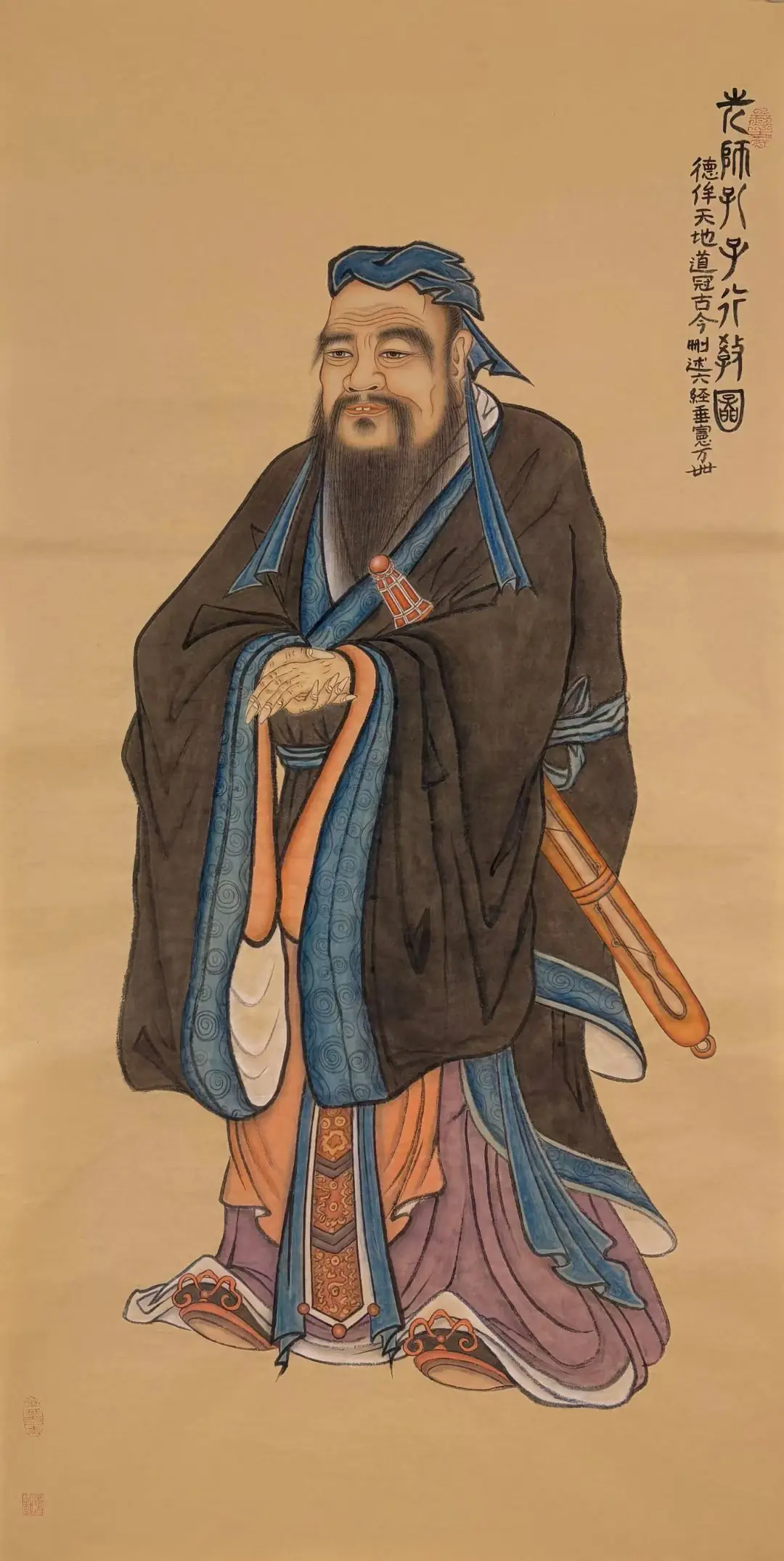
The Original Quote:
子贡问君子。子曰:“先行其言而后从之。”
Zǐgòng wèn jūnzǐ. Zǐ yuē: “Xiān xíng qí yán ér hòu cóng zhī.”
English Translation:
A disciple inquired of the Master concerning the exemplary person. The Master replied: "First put into practice what you intend to proclaim; then let your words follow the deed already done."
Key Concepts Explained:
- Exemplary Person (jūnzǐ 君子): In Confucian thought, one of noble character and moral cultivation, not merely by birthright but through virtuous conduct and self-discipline.
- Virtue (dé 德): Inner moral power that manifests in righteous action; the foundation of the jūnzǐ's influence without coercive force.
- Ritual Propriety (lǐ 礼): Cultured norms and rites that harmonize human relations; here, integrity of word and deed is itself a form of lǐ.
- Benevolence (rén 仁): The cardinal virtue of humaneness, realized not through eloquent speech but through consistent, compassionate action.
- Teaching According to Aptitude (yīn cái shī jiào 因材施教): Confucius's pedagogical method, tailoring lessons to each disciple's character—here, cautioning the eloquent Zǐgòng against empty rhetoric.
Cultural Context:
This passage from the Analects (Lúnyǔ 论语) addresses Zǐgòng, renowned for his eloquence among Confucius's disciples. In an era where feudal lords often made grand pronouncements without substance, Confucius stressed that authentic moral authority—the mark of a true jūnzǐ—arises from deeds, not declarations. The principle of "action before speech" became a cornerstone of Confucian ethics, influencing Chinese governance and personal cultivation for millennia. Later thinkers like Xúnzǐ amplified this, declaring one who both speaks and acts virtuously a "treasure of the state" (guó bǎo 国宝). This teaching also exemplifies Confucius's method of yīn cái shī jiào, adapting his counsel to the listener's nature. In modern contexts, it remains a timeless critique of hypocrisy and a call to integrity in leadership and daily life.