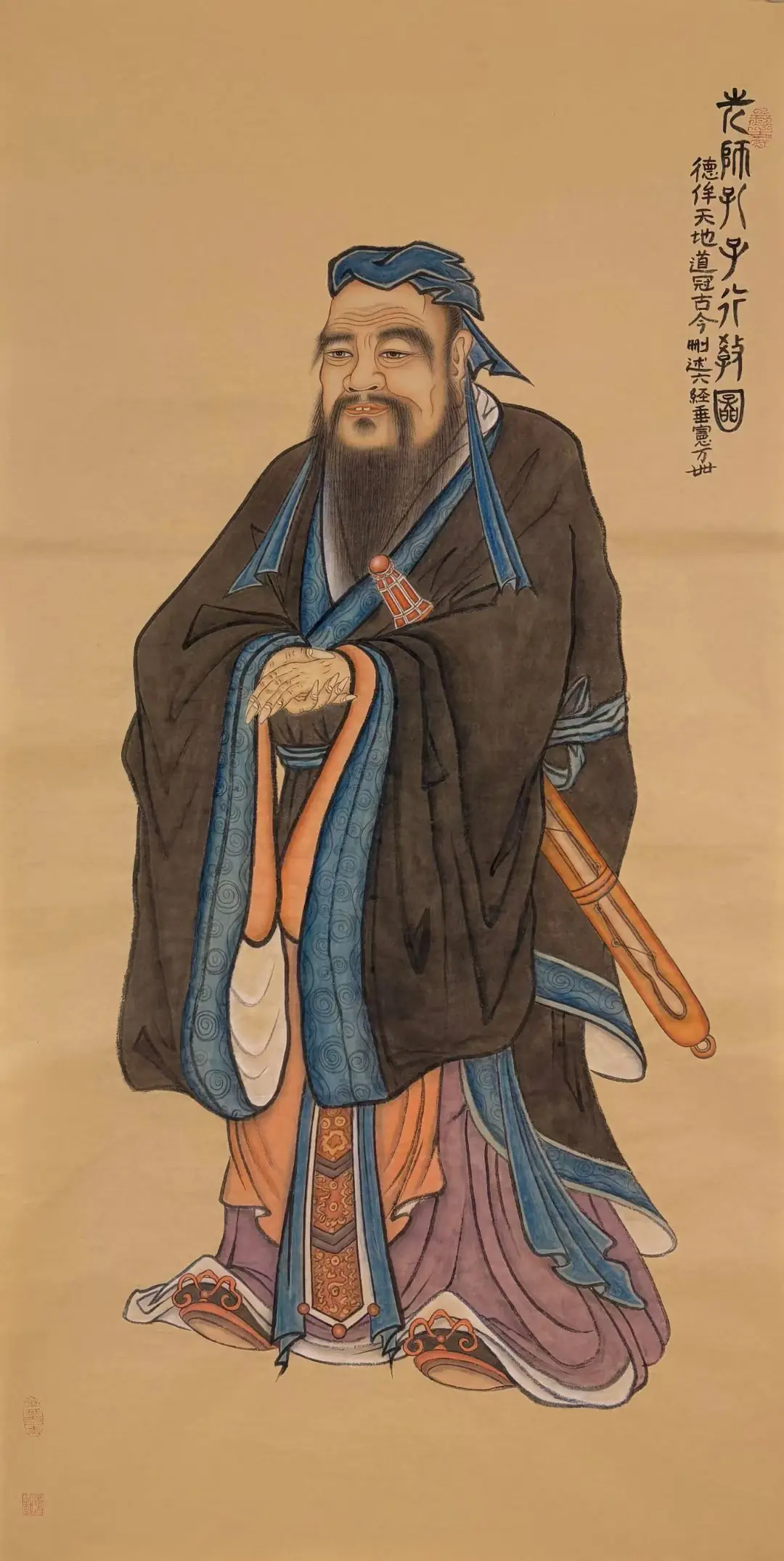
The Original Quote:
子张问:“十世可知也?”子曰:“殷因于夏礼,所损益,可知也;周因于殷礼,所损益,可知也。其或继周者,虽百世,可知也。”
Zǐzhāng wèn: “Shí shì kě zhī yě?” Zǐ yuē: “Yīn yīn yú Xià lǐ, suǒ sǔnyì, kě zhī yě; Zhōu yīn yú Yīn lǐ, suǒ sǔnyì, kě zhī yě. Qí huò jì Zhōu zhě, suī bǎi shì, kě zhī yě.”
English Translation:
Zizhang inquired: "Can the rites of ten generations hence be foreknown?" The Master replied: "The Yin dynasty inherited the rites of Xia; what was added or omitted can be known. The Zhou dynasty inherited the rites of Yin; what was added or omitted can be known. Should there be a dynasty succeeding Zhou, even a hundred generations hence, its rites can be foreknown."
Key Concepts Explained:
- Rites (礼, Lǐ): Encompassing rituals, customs, social norms, and political institutions that form the cultural and ethical fabric of a society, more than mere ceremony.
- Addition and Subtraction (损益, Sǔnyì): The process of selectively reforming inherited systems—retaining core principles while adapting or discarding outdated practices to meet changing circumstances.
- Mandate of Heaven (命, Mìng): The cosmic principle of order and legitimacy, underlying the belief that virtuous rule aligns with a timeless moral law, making historical patterns predictable.
- Benevolence (仁, Rén): The fundamental virtue of humaneness and love, considered the unchanging core of Lǐ, ensuring that reforms serve the well-being of the people.
Cultural Context:
This passage from the Analects (Lúnyǔ, 论语) reveals Confucius’s method of historical analysis as a tool for predicting the future. By observing how the Zhou dynasty modified the Yin (Shang) rites, and the Yin modified those of Xia, Confucius argues that while forms change, the essential principles of governance and morality persist. This theory—known as the “method of addition and subtraction” (sǔnyì fǎ, 损益法)—became foundational to Chinese statecraft. For example, the Han dynasty retained the Qin bureaucratic structure but replaced harsh laws with Daoist-inspired non-interference, illustrating sǔnyì. Confucius’s insight suggests that understanding historical continuity and reform is key to foreseeing societal evolution, a principle that resonates across China’s dynastic cycles and into modern governance.