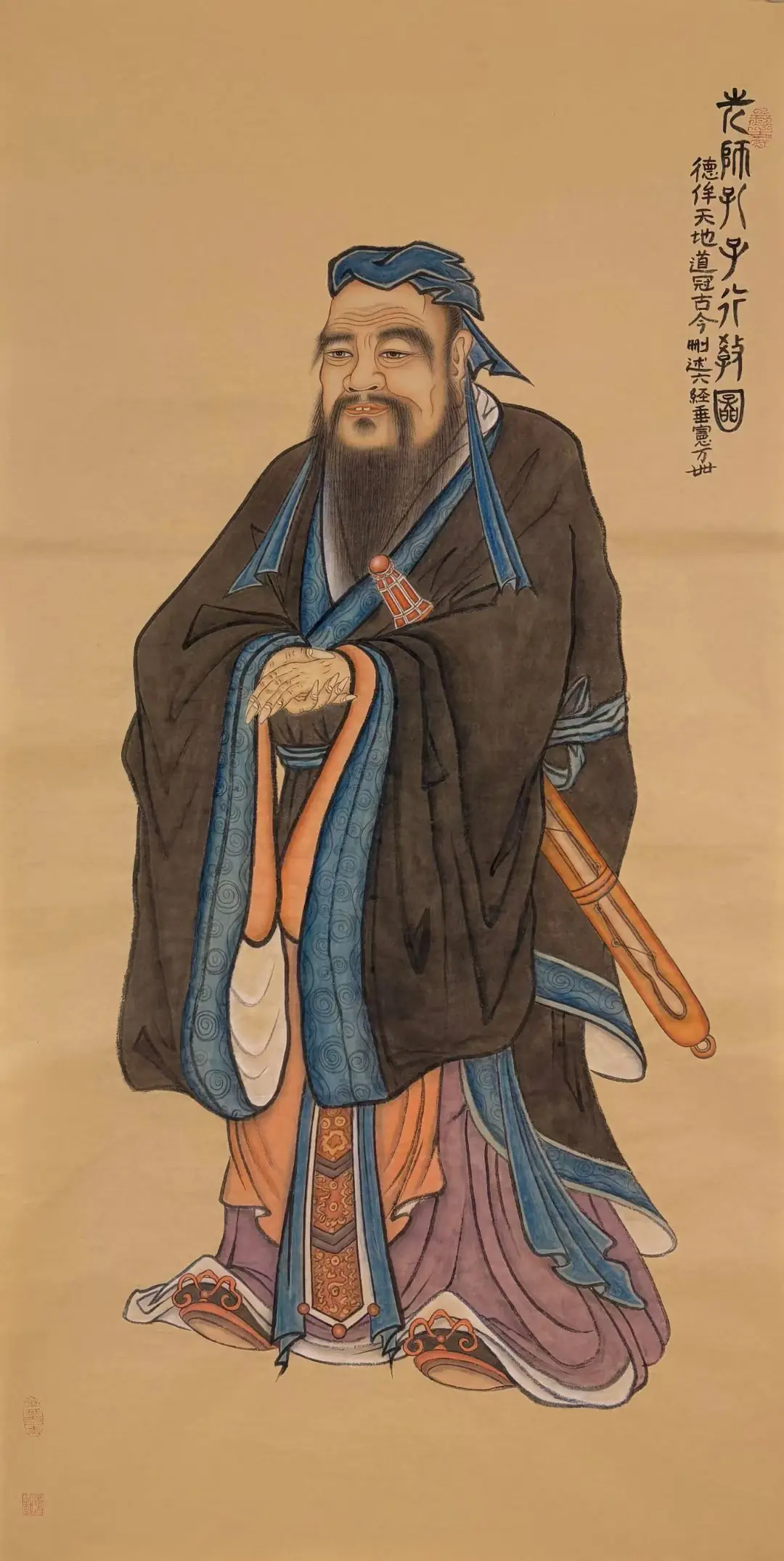
The Original Quote:
子曰:“攻乎异端,斯害也已!”
Zǐ yuē: "Gōng hū yì duān, sī hài yě yǐ!"
English Translation:
The Master said, "To assail the extremes—excess and deficiency—is to bring harm indeed!" Or, more liberally: "To fixate on one-sided views, whether overreaching or falling short, is the very source of calamity."
Key Concepts Explained:
- 中庸 (Zhōngyōng): The Doctrine of the Mean—a central Confucian virtue advocating balance and harmony between extremes, avoiding both excess and deficiency.
- 异端 (Yì duān): Literally "different ends" or "heterodox extremes," referring to positions that deviate from the balanced middle path.
- 执两端而用其中 (Zhí liǎng duān ér yòng qí zhōng): A method of holding both extremes to find the proper middle, emphasizing synthesis over polarization.
- 和 (Hé): Harmony achieved through difference, not uniformity—a key principle in Confucian ethics.
Cultural Context:
This passage from The Analects (Lúnyǔ, 论语) reflects Confucius' (Kǒngzǐ, 孔子, 551–479 BCE) critique of dogmatic thinking during the Spring and Autumn period, a time of intellectual ferment and political fragmentation. Confucius advocated the Zhōngyōng as a disciplined practice of self-cultivation, distinct from unprincipled compromise. He urged scholars to study divergent views ("异端") not to reject them outright, but to understand their flaws and strengthen their own discernment. This approach, echoed in later Confucian scholarship by thinkers like Páng Pǔ (庞朴), contrasts with the "village honest" (xiāngyuàn, 乡愿) who conform blindly to majority opinion. The teaching remains relevant today as a model for critical thinking and open-minded dialogue in cross-cultural and interdisciplinary contexts.