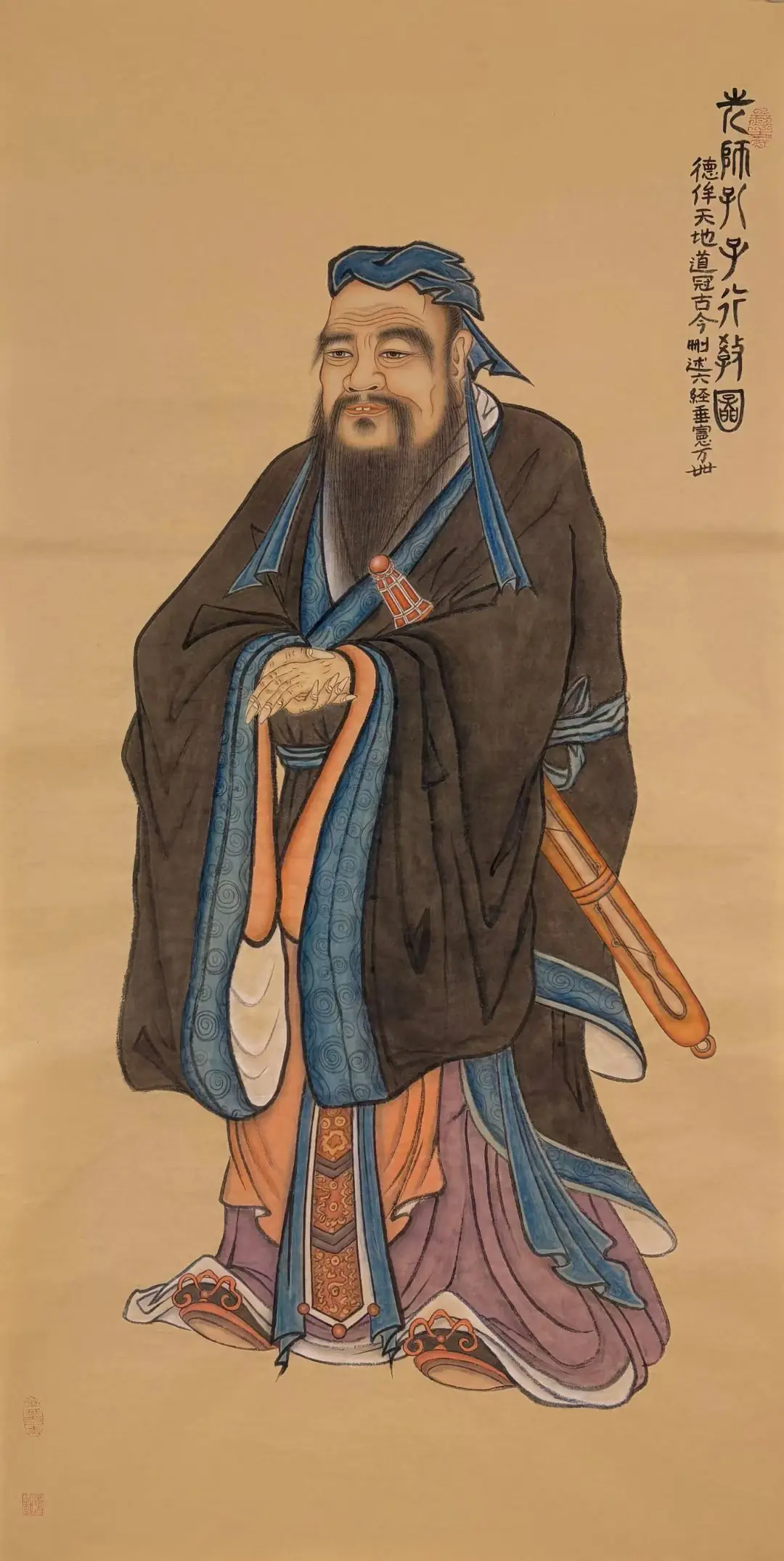
The Original Quote:
子曰:“人而无信,不知其可也。大车无輗,小车无軏,其何以行之哉?”
Zǐ yuē: "Rén ér wú xìn, bù zhī qí kě yě. Dà chē wú ní, xiǎo chē wú yuè, qí hé yǐ xíng zhī zāi?"
English Translation:
The Master said: "If a man is without trustworthiness, I know not what he is capable of. As a large carriage lacking its yoke-bar, or a small carriage lacking its collar-bow—how then could they proceed on their way?"
Key Concepts Explained:
- 信 (Xìn): Trustworthiness, integrity, or faithfulness—the moral virtue of keeping one's word and being reliable in all dealings. It is the foundation of personal character and social harmony.
- 仁 (Rén): Benevolence or humaneness—the core Confucian virtue encompassing compassion and love for others, which is realized through actions like xìn.
- 礼 (Lǐ): Ritual propriety or social norms—the framework of rites and customs that, when observed with sincerity (including xìn), maintain order and respect in society.
- 命 (Mìng): Mandate or destiny—often referring to the 'Mandate of Heaven' (Tiānmìng), which justifies a ruler's authority, contingent upon their moral conduct and trustworthiness.
Cultural Context:
This passage from the *Analects* (Book 2, Chapter 22) reflects Confucius' emphasis on trust as essential for both personal integrity and effective governance. The metaphor of a carriage without its linchpins (輗 ní and 軏 yuè) illustrates that without xìn, all systems—whether individual relationships or state administration—become inoperable. Historically, this teaching was crucial for rulers like the Zhou dynasty's founders, who earned the Mandate of Heaven through virtuous rule. Conversely, the fall of King You of Zhou, who broke trust by falsely using beacon fires for amusement, serves as a cautionary tale. Confucius' lesson remains relevant today: trust is the axle that enables society to move forward, and without it, even the most powerful structures collapse into chaos.