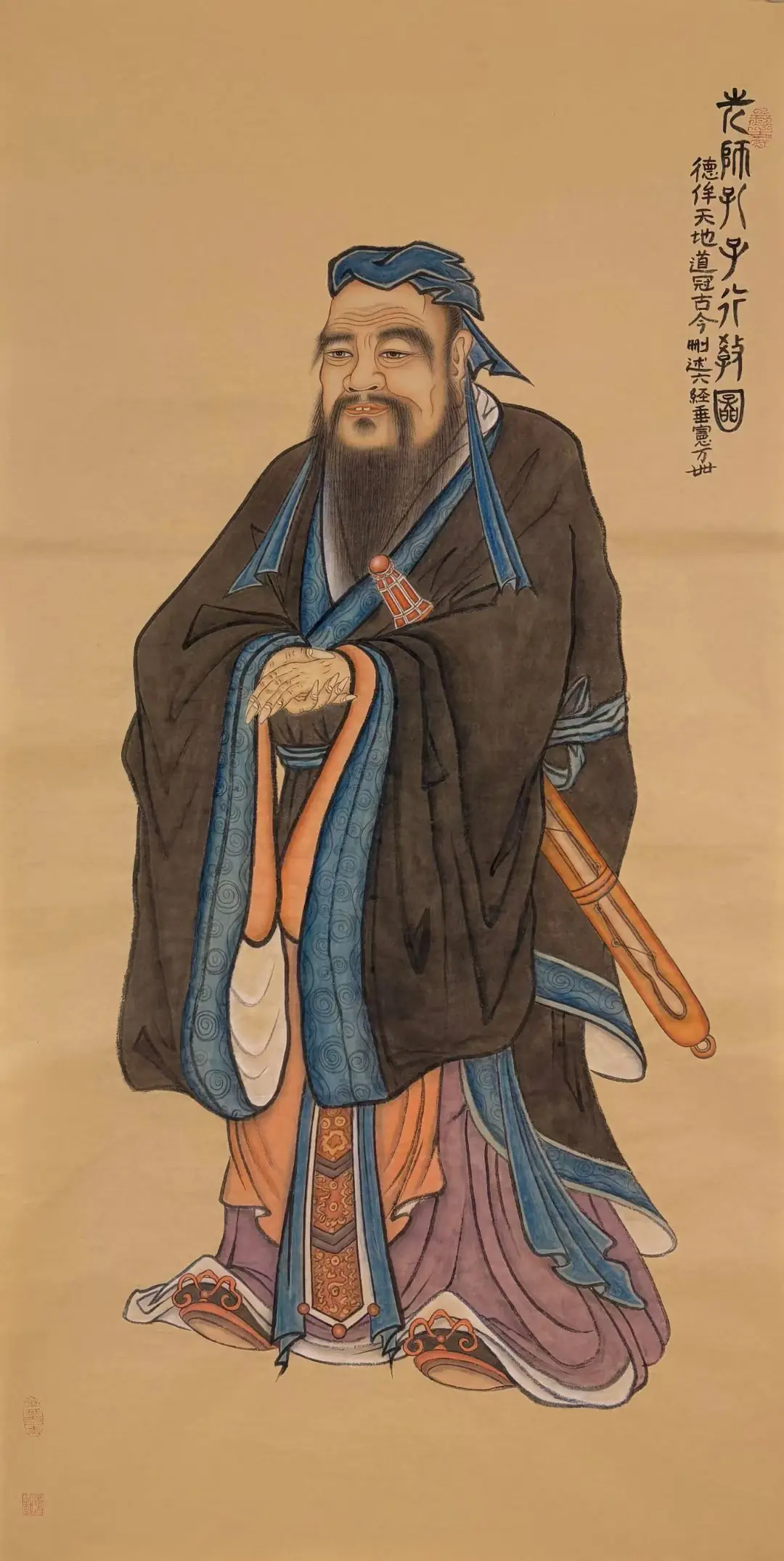
The Original Quote:
子曰:“温故而知新,可以为师矣。”
Zǐ yuē: “Wēn gù ér zhī xīn, kě yǐ wéi shī yǐ.”
English Translation:
“He who, by reviewing the old, gains new understanding, may be deemed a teacher.” — This translation employs a classical English structure to mirror the original’s concise wisdom, emphasizing the transformative process of learning.
Key Concepts Explained:
- Wēn (温): To review or warm over, implying a gentle, reflective revisiting of past knowledge, not mere repetition.
- Gù (故): The old, including texts, experiences, and traditions, serving as the foundation for growth.
- Zhī xīn (知新): To know the new, signifying fresh insights or discoveries born from deep engagement with the old.
- Shī (师): Teacher or master, in Confucian thought, one who models wisdom and guides others through example, not just instruction.
Cultural Context:
This saying from the Analects (Lúnyǔ, 论语) reflects Confucius’s educational philosophy, where learning is a dynamic dialogue between past and present. In ancient China, teachers were revered as custodians of cultural heritage, yet this passage innovatively redefines mastery as the ability to synthesize tradition with innovation. Historically, figures like General Han Xin (韩信) applied this principle in warfare, creatively adapting classical strategies to new contexts, as in the Battle of Jingxing (井陉之战). This concept also resonates globally—from Dante’s repeated study of the Bible to Churchill’s warning against blind imitation in war—highlighting its universal relevance in fostering critical thinking and adaptive wisdom across cultures.