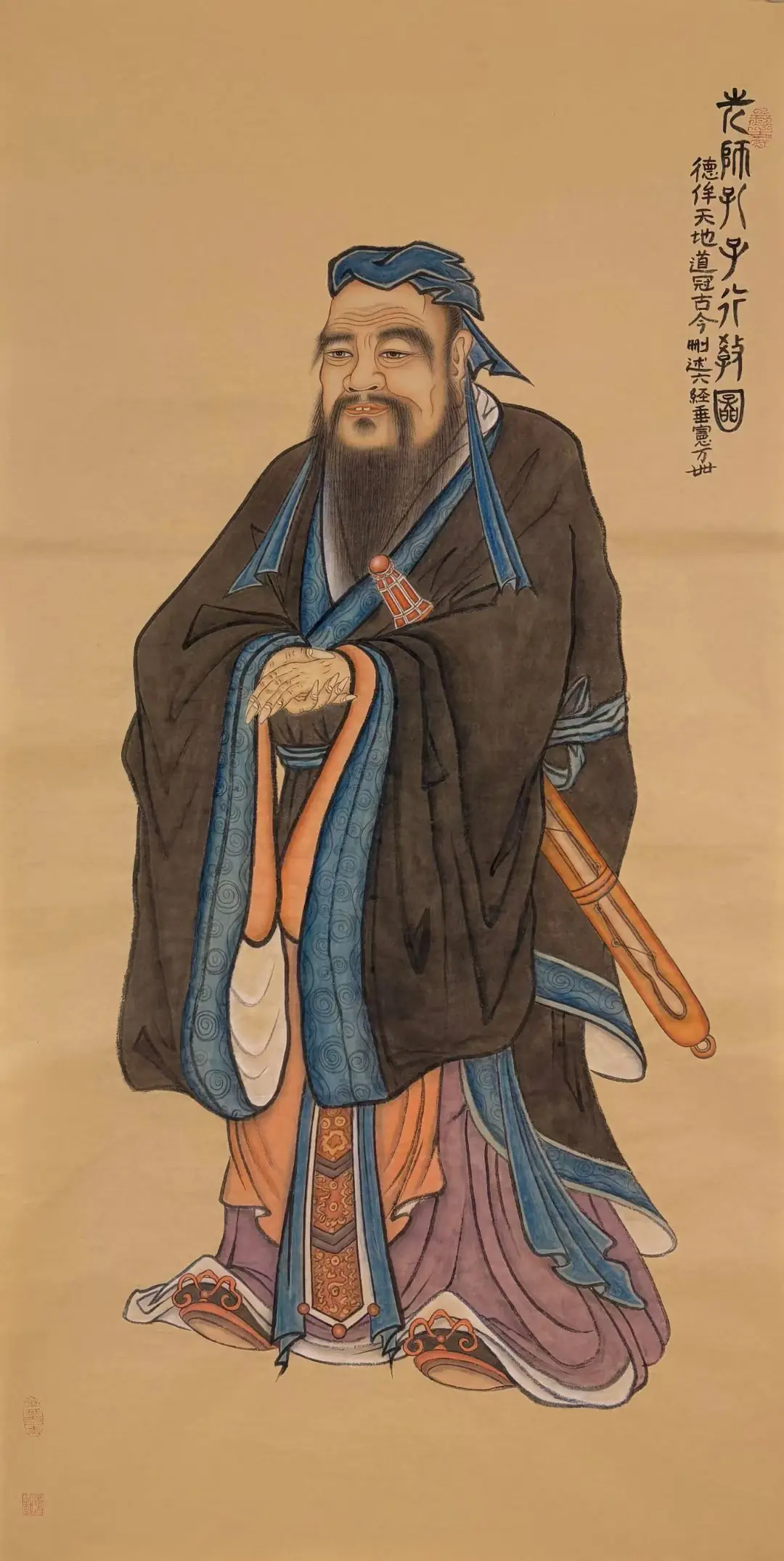
The Original Quote:
子曰:“道之以政,齐之以刑,民免而无耻。道之以德,齐之以礼,有耻且格。”
Zǐ yuē: “Dào zhī yǐ zhèng, qí zhī yǐ xíng, mín miǎn ér wú chǐ. Dào zhī yǐ dé, qí zhī yǐ lǐ, yǒu chǐ qiě gé.”
English Translation:
“Lead them by edicts, and keep them in order by punishments, and the people will avoid transgression but lack a sense of shame. Lead them by virtue, and keep them in order by ritual propriety, and they will possess a sense of shame and come to reform themselves.”
Key Concepts Explained:
- Virtue (德, Dé): Inner moral self-cultivation that guides conduct from within, akin to a compass of conscience.
- Ritual Propriety (礼, Lǐ): Social norms and ceremonial forms that regulate behavior and relationships, fostering harmony through external structure.
- Shame (耻, Chǐ): A moral emotion that deters wrongdoing through internalized values, not mere fear of punishment.
- Correction (格, Gé): Self-rectification and alignment with moral standards, achieved through inner reflection.
Cultural Context:
This passage from The Analects (Book II, Chapter 3) articulates Confucius’s vision of governance rooted in moral cultivation rather than coercive law. In the turbulent Spring and Autumn period (771–476 BCE), when feudal states relied heavily on punitive codes, Confucius advocated for a return to Zhou dynasty ideals where lǐ (ritual) and dé (virtue) formed the bedrock of social order. He argued that laws and punishments only suppress behavior, while virtue and ritual transform hearts, creating a self-regulating populace. This philosophy profoundly shaped Chinese political thought for millennia, emphasizing the ruler’s moral example as the highest form of leadership. Even today, it underpins debates on the balance between legal systems and ethical education in governance and organizational management.