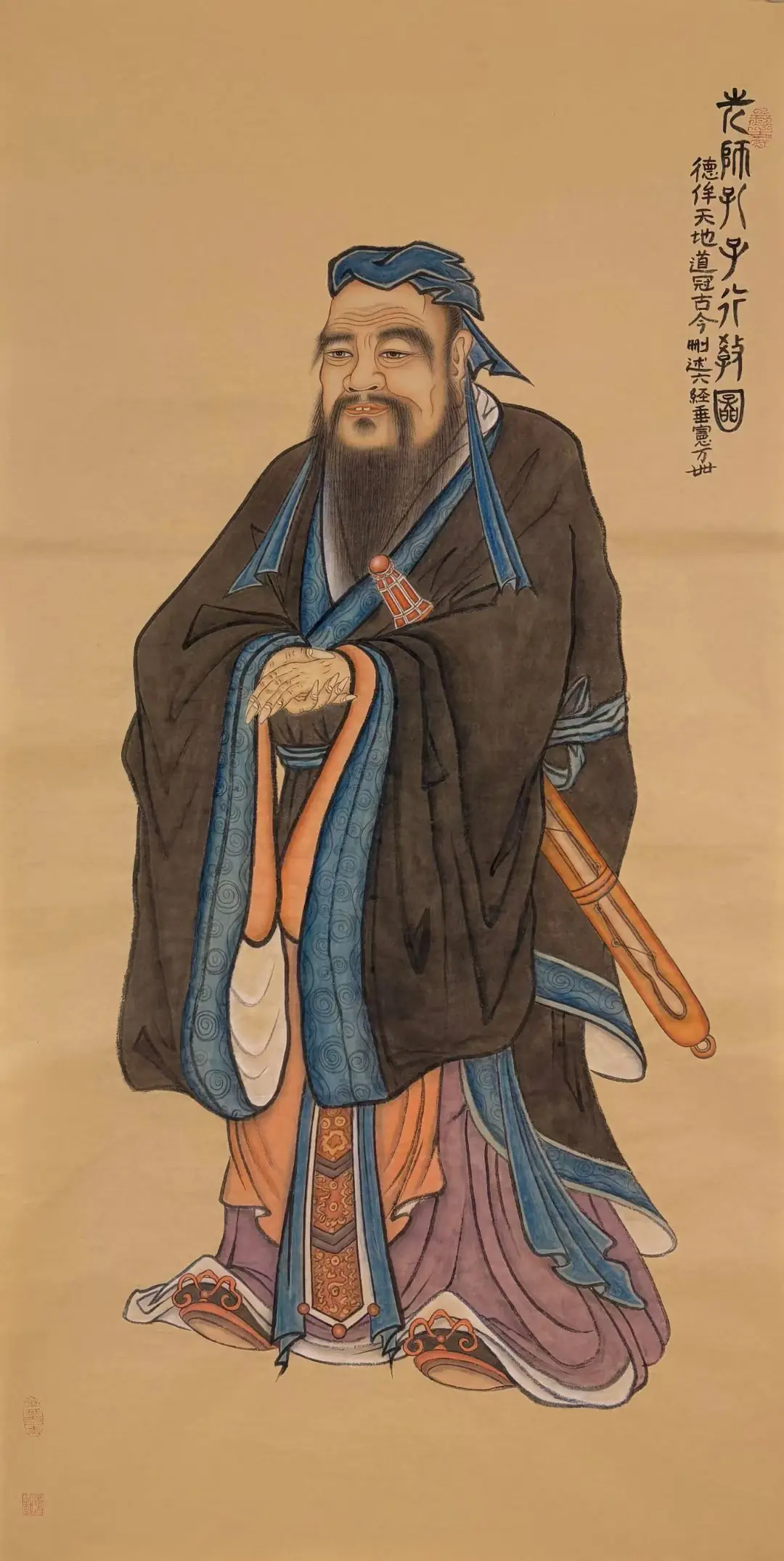
The Original Quote:
子曰:“吾十有五而志于学,三十而立,四十而不惑,五十而知天命,六十而耳顺,七十而从心所欲,不逾矩。”
Zǐ yuē: “Wú shí yǒu wǔ ér zhì yú xué, sānshí ér lì, sìshí ér bù huò, wǔshí ér zhī tiānmìng, liùshí ér ěr shùn, qīshí ér cóng xīn suǒ yù, bù yú jǔ.”
English Translation:
The Master said: “At fifteen, I set my heart upon learning. At thirty, I took my stand. At forty, I was no longer perplexed. At fifty, I understood the Decree of Heaven. At sixty, my ear was attuned. At seventy, I could follow my heart’s desire without transgressing the norm.”
Key Concepts Explained:
- 天命 (Tiānmìng): The Decree of Heaven — a Confucian notion of cosmic moral order, representing both life’s purpose and the limits of human agency, accepted with wisdom and humility.
- 礼 (Lǐ): Ritual propriety — the normative framework of social conduct and moral discipline, which shapes character and enables harmonious living.
- 仁 (Rén): Benevolence or humaneness — the highest Confucian virtue, integrating inner moral feeling with outer action, culminating in spontaneous goodness.
- 不逾矩 (Bù yú jǔ): Without transgressing the measure — the state where freedom and moral law perfectly coincide, achieved through lifelong cultivation.
Cultural Context:
This passage from the Analects (Lúnyǔ 2.4) is one of Confucius’s most celebrated autobiographical reflections. It outlines a lifelong process of moral self-cultivation (xiūshēn), central to Confucian education and governance. The stages mark a progression from conscious learning to spontaneous virtue, where inner desire aligns with outer ritual (lǐ). Confucius’s journey serves as a paradigm for junzi (exemplary persons), emphasizing that moral excellence is not innate but developed through persistent effort. Historically, this text shaped East Asian educational ideals, linking personal growth to social harmony and ethical leadership.