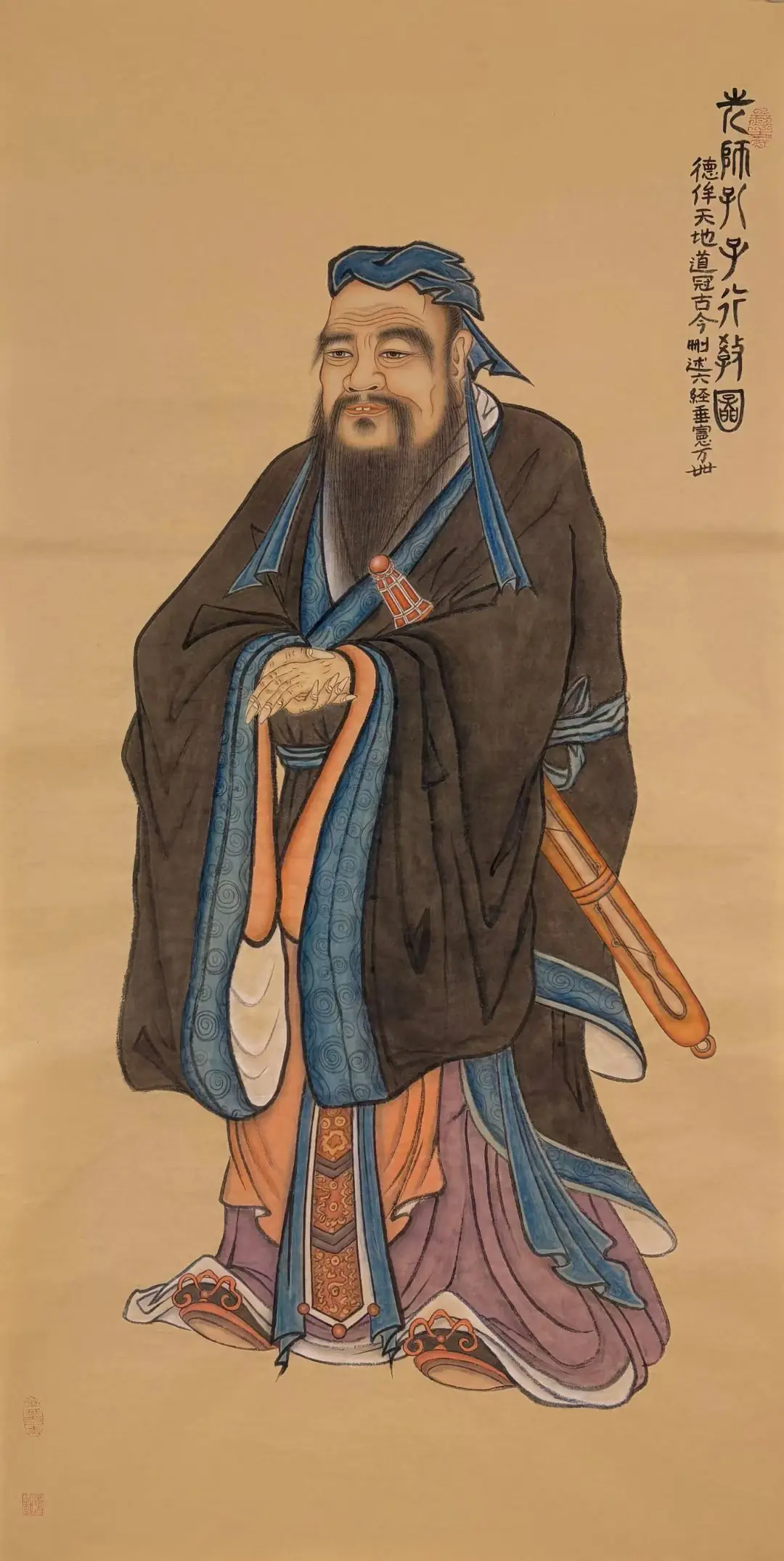
The Original Quote:
子曰:“君子周而不比,小人比而不周。”
Zǐ yuē: “Jūnzǐ zhōu ér bù bǐ, xiǎorén bǐ ér bù zhōu.”
English Translation:
The Master said: "The noble person is inclusive, not partial; the petty person is partial, not inclusive."
Key Concepts Explained:
- 君子 (Jūnzǐ): The exemplary or noble person, one who cultivates virtue and acts with moral integrity.
- 小人 (Xiǎorén): The petty or small-minded person, driven by self-interest and lacking moral breadth.
- 周 (Zhōu): Universal fellowship or comprehensive association based on righteousness (义, yì) and the common good.
- 比 (Bǐ): Factional cliquishness or partial alliance formed for private gain, often at the expense of justice.
Cultural Context:
This passage from the Analects (Lunyu 2.14) illuminates a core Confucian distinction between the moral and the selfish. In the hierarchical society of ancient China, where personal relationships often determined political and social standing, Confucius (Kongzi) warned against forming factions (比) that undermine broader harmony. Instead, he championed a form of universal fellowship (周) rooted in ren (仁, benevolence) and li (礼, ritual propriety). This teaching has enduring relevance, advocating for principled cooperation over opportunistic alliances—a lesson still valued in East Asian cultures for fostering organizational unity and ethical leadership.