The Original Quote:
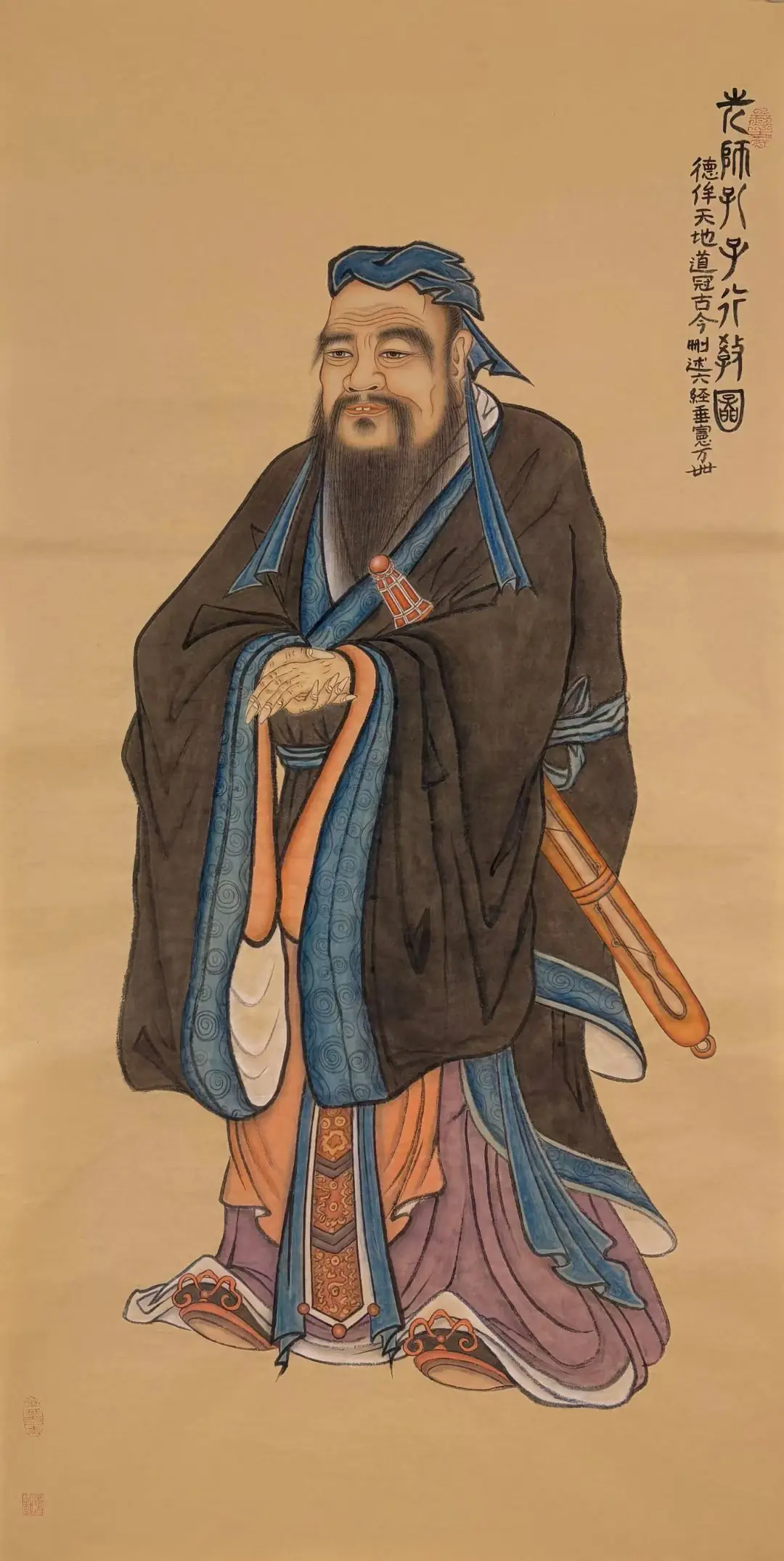
君子不以绀緅饰,红紫不以为亵服。当暑,袗絺绤,必表而出之。缁衣羔裘,素衣麑裘,黄衣狐裘。亵裘长,短右袂。必有寝衣,长一身有半。狐貉之厚以居。去丧,无所不佩。非帷裳,必杀之。羔裘玄冠不以吊。吉月,必朝服而朝。
Jūnzǐ bù yǐ gàn zōu shì, hóng zǐ bù yǐ wéi xiè fú. Dāng shǔ, zhěn chī xì, bì biǎo ér chū zhī. Zī yī gāo qiú, sù yī ní qiú, huáng yī hú qiú. Xiè qiú cháng, duǎn yòu mèi. Bì yǒu qǐn yī, cháng yī shēn yǒu bàn. Hú háo zhī hòu yǐ jū. Qù sāng, wú suǒ bù pèi. Fēi wéi cháng, bì shā zhī. Gāo qiú xuán guān bù yǐ diào. Jí yuè, bì cháo fú ér cháo.
English Translation:
The noble man doth not adorn his garments with hues of deep azure or blackish purple; nor doth he wear crimson or violet as common household attire. In summer's heat, he dons a single robe of fine or coarse hemp, always worn over an inner layer. A black coat is paired with a lamb's fleece; a white coat, with a fawn's hide; a yellow coat, with a fox's fur. His home robe is long, yet the right sleeve is shortened. For sleep, he hath a coverlet half again as long as his body. Thick pelts of fox and badger serve as his seat. After mourning's end, he wears all ornaments freely. Save for ceremonial robes, he cuts and tailors each garment. He doth not visit a house of mourning in lamb's fleece or black cap. On the first day of the moon, he dons court robes to present himself at court.
Key Concepts Explained:
- 礼 (Lǐ): Ritual propriety or normative social order—the guiding principle that all actions, including dress, must accord with one's role, context, and the cosmic harmony. Here, it governs color, fabric, and occasion.
- 仁 (Rén): Benevolence or humaneness—the inner virtue that manifests externally through respectful behavior, such as dressing appropriately to honor others and oneself.
- 君子 (Jūnzǐ): The exemplary person or noble man—one who cultivates virtue and embodies 礼 in every detail, from attire to demeanor, serving as a moral model for society.
- 命 (Mìng): The mandate of heaven or one's allotted role—accepting one's station and fulfilling its duties, which includes wearing garments befitting one's rank and circumstance.
Cultural Context:
This passage from the Analects (Book 10, Chapter 6) reflects the meticulous ritualism of Confucius's era (Spring and Autumn period, c. 5th century BCE). In ancient China, color and fabric were not mere aesthetic choices but symbols of social hierarchy and cosmic order: black (玄, xuán) and purple (紫, zǐ) were reserved for nobility and ritual, while white (素, sù) signified mourning. Confucius's attention to dress—matching coats with furs, shortening sleeves, and avoiding certain colors in mourning—demonstrates how 礼 permeated daily life, fostering respect, harmony, and moral discipline. This tradition influenced later dynasties, such as Tang color-coded official robes, and underscores a universal principle: attire communicates identity and intent, teaching modern audiences that dressing with mindfulness cultivates both self-respect and social grace.