The Original Quote:
食不厌精,脍不厌细。食饐而餲,鱼馁而肉败,不食;色恶,不食;臭恶,不食;失饪,不食;不时,不食;割不正,不食;不得其酱,不食。肉虽多,不使胜食气。唯酒无量,不及乱。沽酒市脯,不食。不撤姜食,不多食。
Shí bù yàn jīng, kuài bù yàn xì. Shí yì ér ài, yú něi ér ròu bài, bù shí; sè è, bù shí; xiù è, bù shí; shī rèn, bù shí; bù shí, bù shí; gē bù zhèng, bù shí; bù dé qí jiàng, bù shí. Ròu suī duō, bù shǐ shèng shí qì. Wéi jiǔ wú liàng, bù jí luàn. Gū jiǔ shì fǔ, bù shí. Bù chè jiāng shí, bù duō shí.
English Translation:
He did not dislike refined grain, nor did he dislike finely cut meat. He did not eat grain that had become sour and rancid, nor fish or meat that had spoiled. He did not eat food of a bad color, nor food of a bad smell. He did not eat food that was improperly cooked, nor food that was not in season. He did not eat meat that was not properly cut, nor food served without its proper sauce. Though there might be an abundance of meat, he did not allow it to overpower the nourishing qi (vital energy) of the grain. Only in wine was there no fixed limit, but he did not allow himself to become confused by it. He did not drink wine bought from the market, nor eat dried meat from the street. He did not remove the ginger from his meal, but he did not eat excessively.
Key Concepts Explained:
- Li (禮): Ritual propriety or the cosmic order expressed through social conduct. Here, it manifests in the precise rules for eating—a daily practice that cultivates inner virtue through outer form. Each prohibition (e.g., "not properly cut") is a ritual act of respect toward the food, the cook, and oneself.
- Ren (仁): Benevolence or human-heartedness. Confucius’s care for diet reflects a deep ren for his own body and life, which is the foundation for extending care to others. Avoiding spoiled food is not merely hygiene but an act of self-respect and moral discipline.
- Yi (義): Righteousness or appropriateness. The principle "not in season" embodies yi—aligning one’s actions with the natural order. Eating only what is timely and properly prepared is a righteous act that harmonizes with Heaven’s rhythms.
- Ming (命): Fate or the mandate of Heaven. By following these dietary rules, Confucius accepts his ming as a mortal being who must nourish the body to fulfill his moral duties. Moderation in wine and meat is a way of honoring the life given by Heaven.
- Qi (氣): Vital energy or life force. The rule "meat not overpowering grain" protects the body’s qi balance. In Chinese medicine, grain is the primary source of qi, while meat is supplementary; this hierarchy mirrors Confucian social order.
Cultural Context:
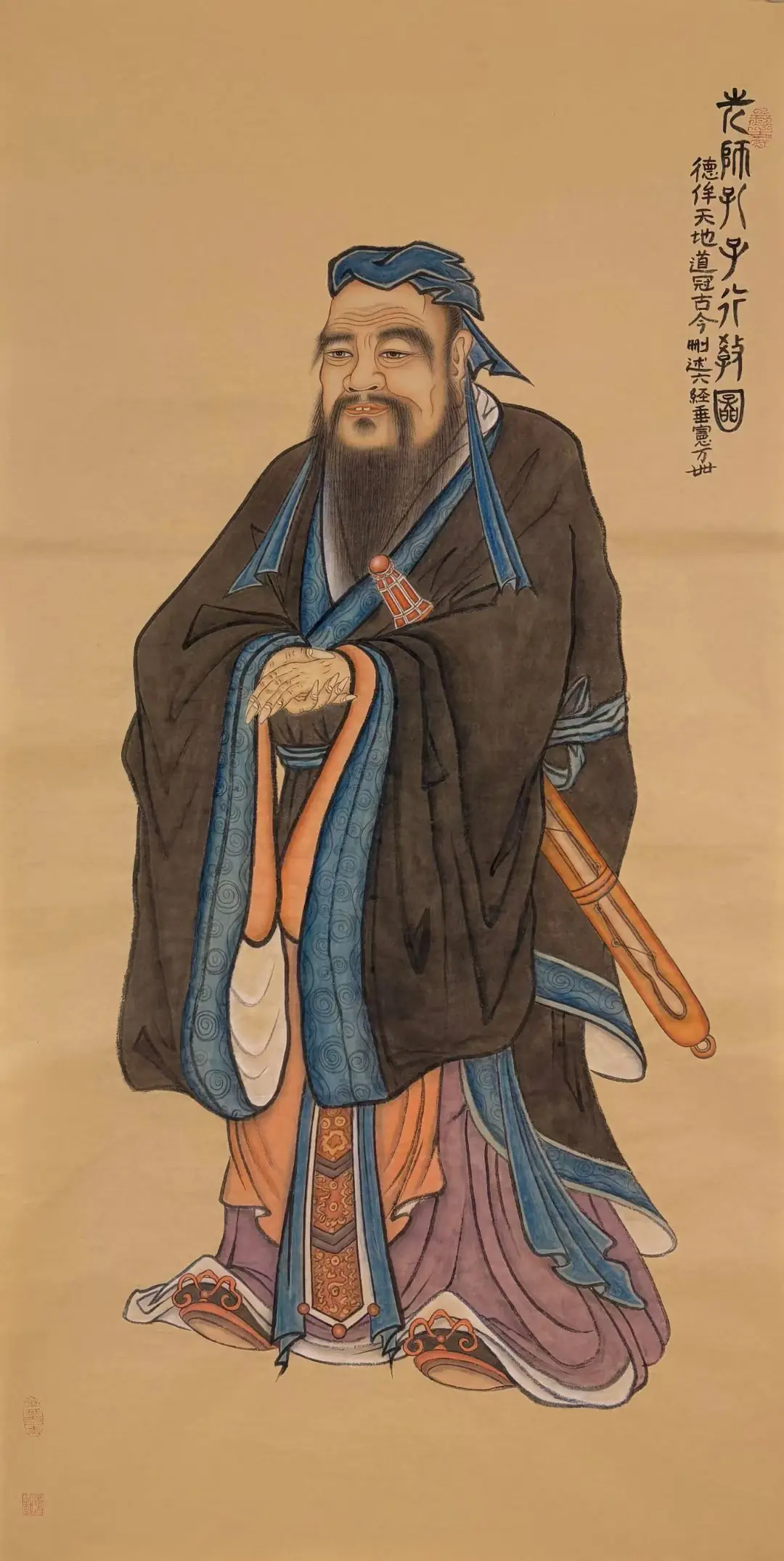
This passage from The Analects (Book X, Chapter 8) records Confucius’s personal habits, which later Confucians elevated as a model for self-cultivation. In ancient China, food was never mere sustenance—it was a microcosm of cosmic and social order. Confucius (551–479 BCE) lived during the chaotic Spring and Autumn period, when the Zhou dynasty’s ritual system was collapsing. By prescribing such meticulous rules for eating, he taught that even the smallest daily act could restore li (ritual propriety) and cultivate ren (benevolence). The emphasis on freshness, proper cutting, and seasonality reflects the early Chinese belief in the harmony between humans and nature (tian ren he yi 天人合一). These principles also align with classical Chinese medicine, which holds that diet directly influences one’s qi and moral clarity. For modern readers, this text offers a timeless lesson: mindful eating is not just about health, but a profound spiritual practice that integrates body, mind, and society.