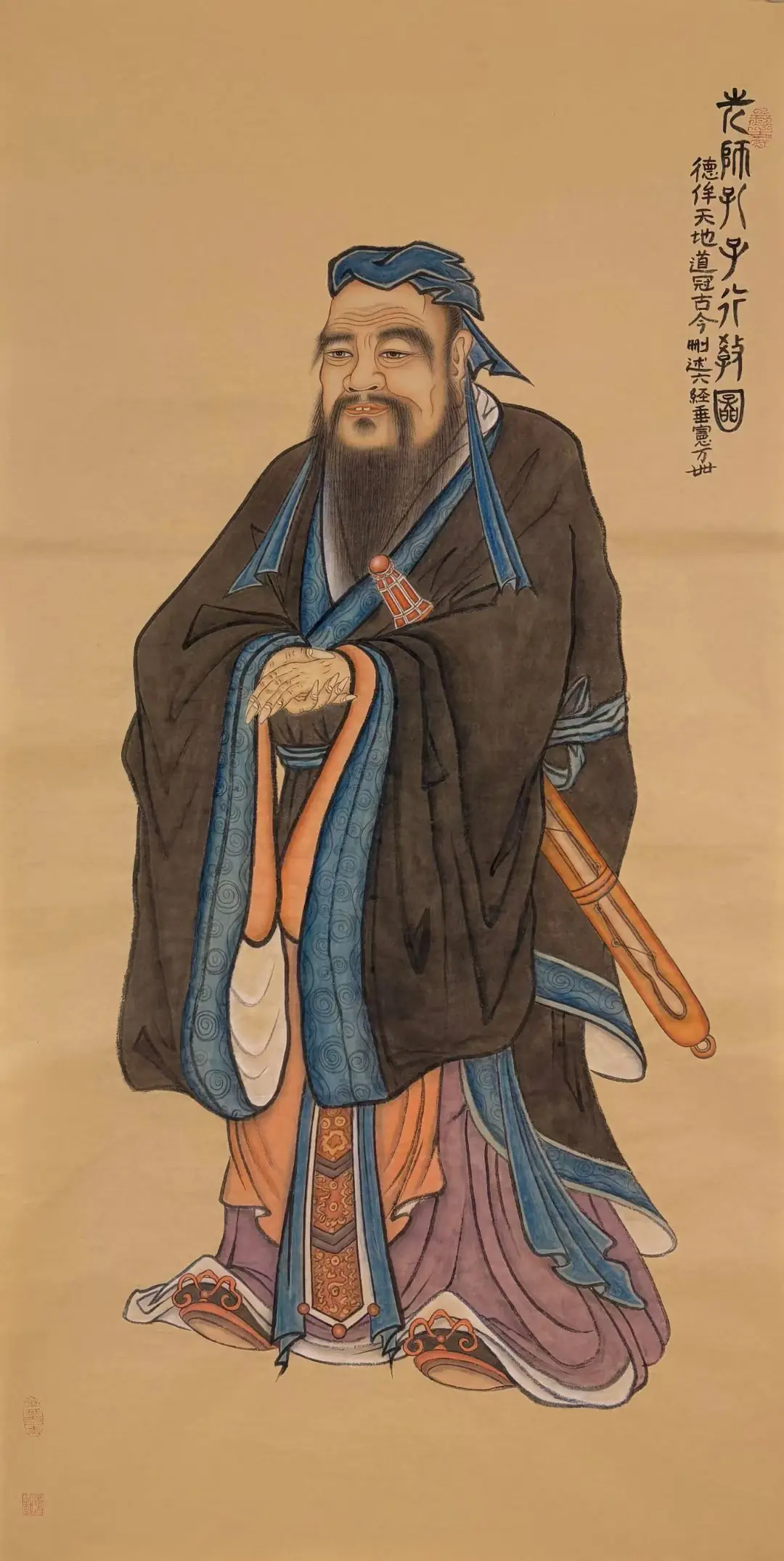
The Original Quote:
朋友死,无所归,曰:“于我殡。”
Péngyǒu sǐ, wú suǒ guī, yuē: “Yú wǒ bìn.”
English Translation:
When a friend died, having none to whom the body might be returned, the Master said, "Let the funeral rites be performed at my home."
Key Concepts Explained:
- 礼 (Lǐ): Ritual propriety; the structured norms and ceremonies that cultivate moral character and social harmony. Here, it is enacted through the funeral rites, which Confucius personally undertakes.
- 仁 (Rén): Benevolence or humaneness; the core Confucian virtue of love and empathy for others. It is the inner moral disposition that compels one to act compassionately, as seen in Confucius’s offer.
- 义 (Yì): Righteousness; the moral disposition to do what is proper and just, without expectation of reward. Confucius’s act embodies this spontaneous sense of duty.
Cultural Context:
In ancient China, proper burial was a sacred duty rooted in filial piety and social obligation. A friend without family to arrange his funeral was considered a profound social neglect. Confucius’s response—taking personal responsibility for the rites—exemplifies the Confucian ideal that moral cultivation (仁, Rén) must be expressed through concrete actions (礼, Lǐ). This passage highlights the centrality of friendship in Confucian ethics, where personal bonds are elevated to the level of ritual duty, reflecting a society where humaneness and righteousness govern even the most intimate relationships.