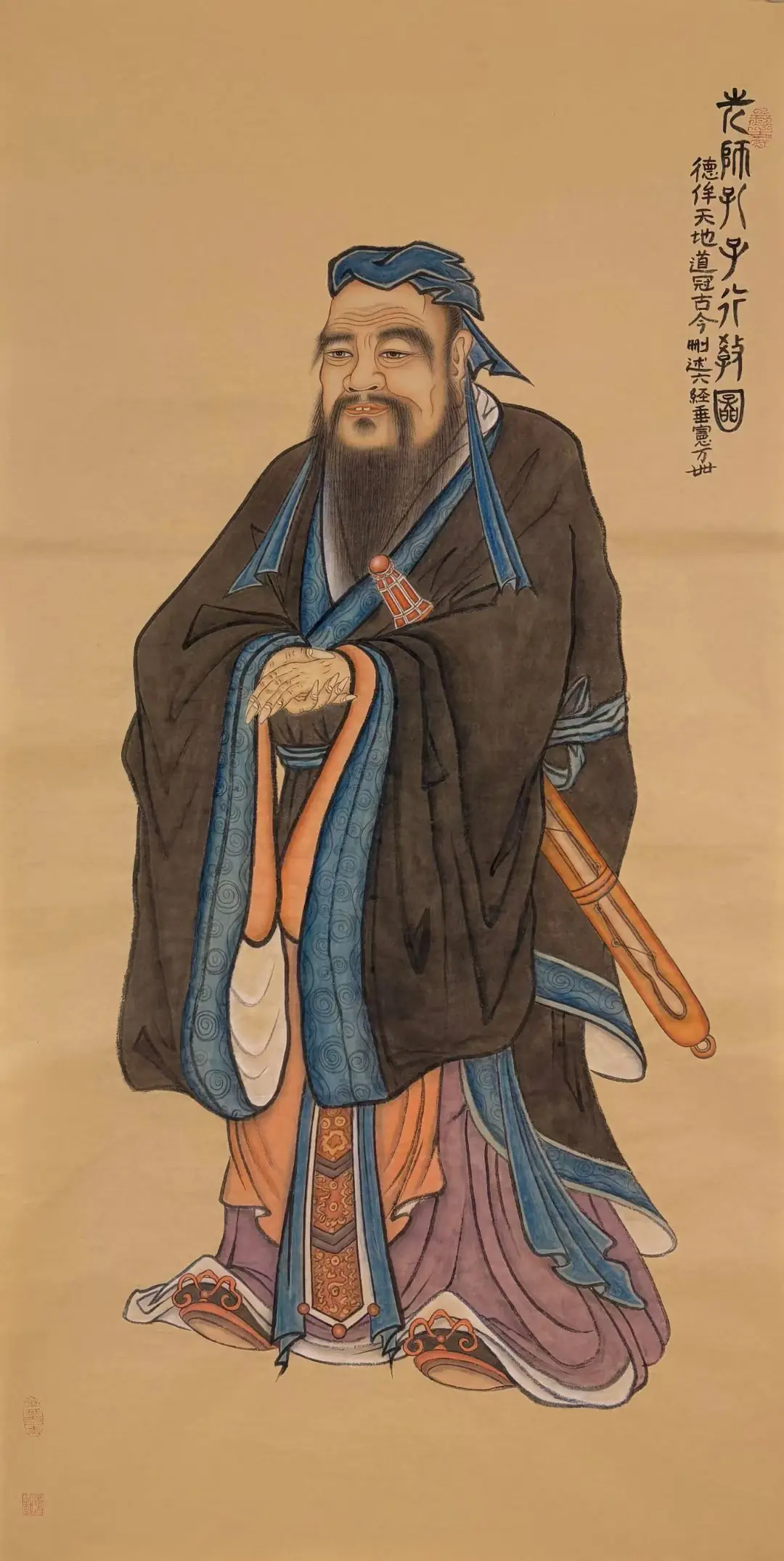
The Original Quote:
虽疏食菜羹,瓜祭,必齐如也。
Suī shū shí cài gēng, guā jì, bì zhāi rú yě.
English Translation:
Though one partakes but of coarse rice and vegetable broth, yet in setting apart a portion as an offering, he must do so with the solemn reverence of one who fasts.
Key Concepts Explained:
- Ritual (礼, Lǐ): The structured, reverent conduct that embodies moral order and social harmony, extending from grand ceremonies to the simplest daily acts.
- Reverence (敬, Jìng): The inner attitude of sincere respect and seriousness that must accompany all ritual actions, regardless of material circumstances.
- Humaneness (仁, Rén): The core Confucian virtue of benevolence and moral perfection, expressed here through the consistent practice of sincerity in ritual.
- Fasting (斋, Zhāi): A period of purification and focused intention, symbolizing the utmost mental and spiritual preparation for sacred acts.
Cultural Context:
This passage from the Analects (Book X, Chapter 11) illustrates Confucius’s insistence that the spirit of ritual (lǐ) must pervade even the most humble circumstances. In ancient China, the act of "setting apart" (祭, jì) a portion of food before eating was a form of gratitude and remembrance, often honoring ancestors or spiritual forces. Confucius emphasizes that such offerings are not about material grandeur but about the sincerity of the heart—a principle that extends to all aspects of moral life. This teaching reflects the Confucian belief that true virtue is demonstrated not in wealth or status, but in the consistent, earnest practice of ritual propriety, even when no one else observes. It serves as a timeless reminder that authenticity in small, private acts cultivates the character necessary for public virtue.