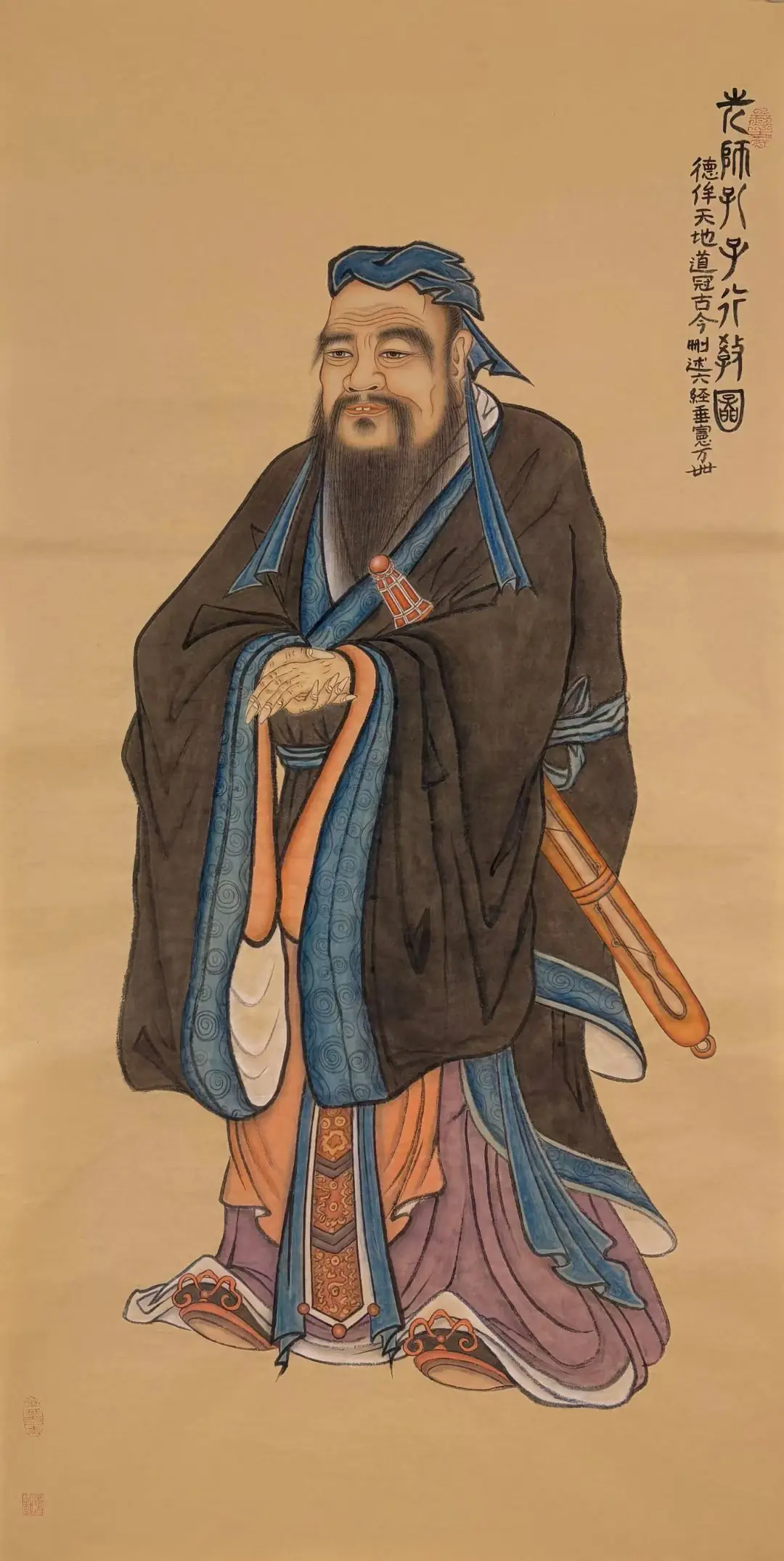
The Original Quote:
问人于他邦,再拜而送之。
Wèn rén yú tā bāng, zài bài ér sòng zhī.
English Translation:
When entrusting a messenger to convey greetings to a friend in another state, Confucius would bow twice before seeing the messenger off.
Key Concepts Explained:
- 礼 (Lǐ): Ritual propriety; the system of rites and etiquette that governs conduct and fosters social harmony. Here, it is expressed through the double bow, signifying respect not only for the friend but for the messenger as an extension of that friendship.
- 仁 (Rén): Benevolence or humaneness; the core virtue of Confucianism, manifesting in sincere care for others. This act demonstrates rén by honoring the bond of friendship across political boundaries.
- 命 (Mìng): Fate or mandate; in this context, it underlies the seriousness of the commission, as the messenger carries a charge that reflects one's moral duty to maintain relationships.
Cultural Context:
This passage from the Analects (Book 10, Chapter 16) illustrates Confucius's meticulous adherence to lǐ in interstate relations during the Spring and Autumn period, when China was divided into warring states. The double bow was a formal gesture reserved for significant occasions, emphasizing that even a simple greeting should be performed with utmost solemnity. By treating the messenger with such deference, Confucius modeled how external courtesies reflect inner virtue—teaching that every action, however small, is an opportunity to cultivate rén. This practice also reinforced the ideal of a civilized society where protocol transcends political strife, a lesson still resonant in modern cross-cultural communication.