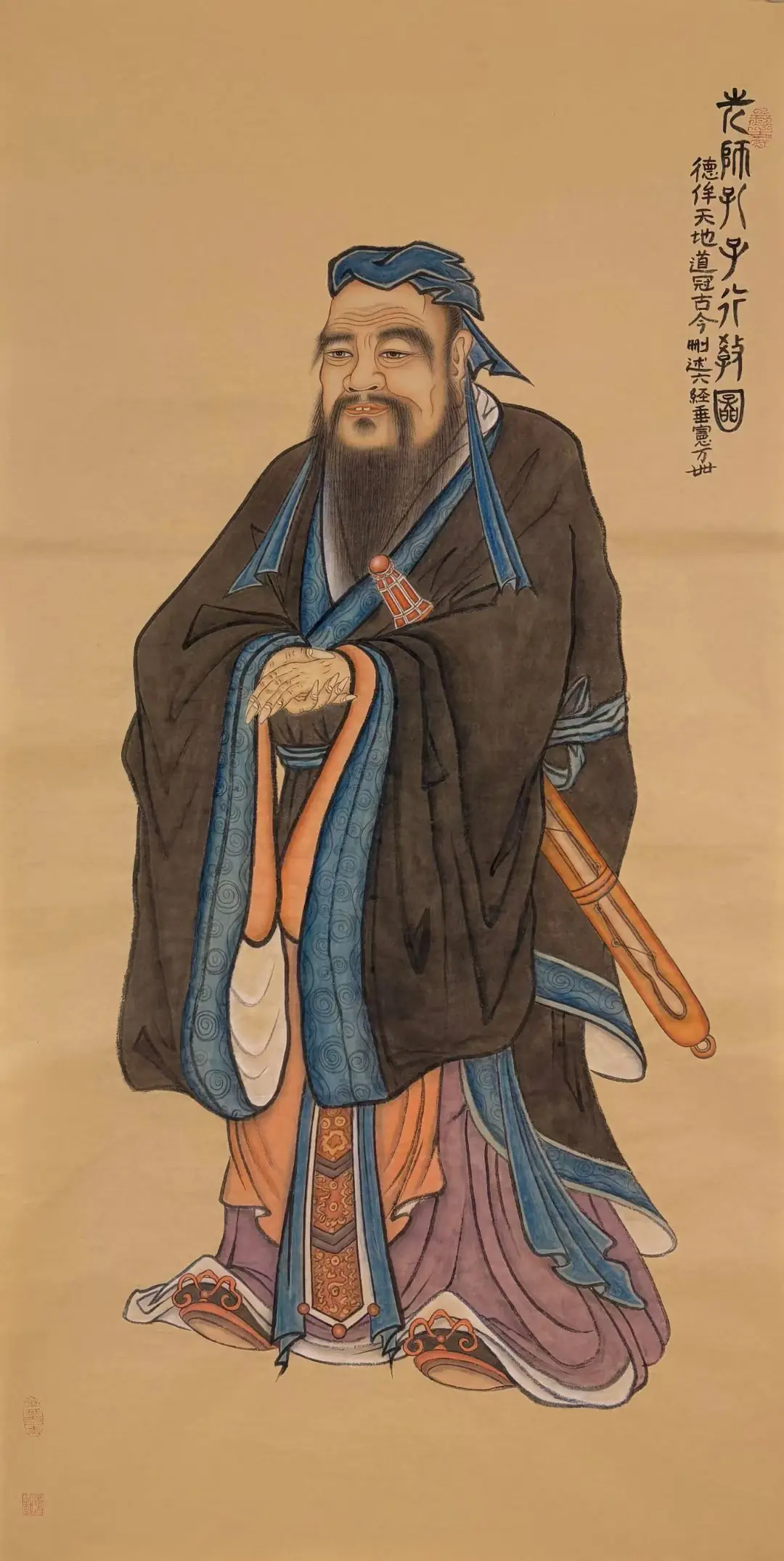
The Original Quote:
寝不尸,居不容。
Qǐn bù shī, jū bù róng.
English Translation:
When sleeping, he did not lie stiff as a corpse; when at home, he did not assume formal demeanor.
Key Concepts Explained:
- 礼 (Lǐ): Ritual propriety, the outward expression of inner virtue through prescribed conduct. This passage illustrates that lǐ has both public and private dimensions; it is not a rigid mask but a flexible guide.
- 仁 (Rén): Benevolence or human-heartedness, the core virtue of Confucianism. The natural ease of the sage at home is an authentic expression of rén, free from forced formality.
- 命 (Mìng): Mandate or destiny, the natural order of life. Here, it implies accepting the rhythm of existence—knowing when to be solemn and when to be at ease.
- 申申如也,夭夭如也 (Shēn shēn rú yě, yāo yāo rú yě): Described in Analects 7.4, these phrases depict Confucius in leisure: "relaxed and expansive, yet gentle and pleasant."
Cultural Context:
This passage from Analects 10.16 reveals a seldom-seen dimension of Confucius: the sage as a private individual. In classical China, the home (家, jiā) was conceptualized not merely as a physical dwelling but as the foundational unit of moral cultivation—a sanctuary where the soul could shed the weight of public duty. Confucius’s casual posture here is a profound teaching: true virtue (dé, 德) is not a performance but a way of being that adapts harmoniously to context. In an era of rigid social hierarchies, his example offered a humane balance—reminding disciples that the pursuit of moral excellence includes the simple, restorative art of being oneself. This principle remains vital today, as modern life demands a clear boundary between the public self and the private haven.