The Original Quote:
朝,与下大夫言,侃侃如也;与上大夫言,訚訚如也。君在,踧踖如也,与与如也。
Cháo, yǔ xià dàfū yán, kǎnkǎn rú yě; yǔ shàng dàfū yán, yínyín rú yě. Jūn zài, cùjí rú yě, yǔyǔ rú yě.
English Translation:
At court, when speaking with junior officers, he was affable and cheerful; when speaking with senior officers, he was precise and reverent. In the presence of the ruler, he appeared respectfully uneasy, yet his gait was composed and measured.
Key Concepts Explained:
- Ritual Propriety (礼, Lǐ): The Confucian principle of performing actions with appropriate respect and formality according to one's social role and context, as exemplified by Confucius' varied demeanors.
- Benevolence (仁, Rén): The core virtue of humaneness and empathy, which informs the sincere intention behind ritual behavior, ensuring it is not mere formality but genuine respect.
- Mandate of Heaven (命, Mìng): The cosmic order that assigns roles and responsibilities; Confucius' conduct reflects acceptance of his place within this hierarchy, harmonizing personal virtue with social duty.
Cultural Context:
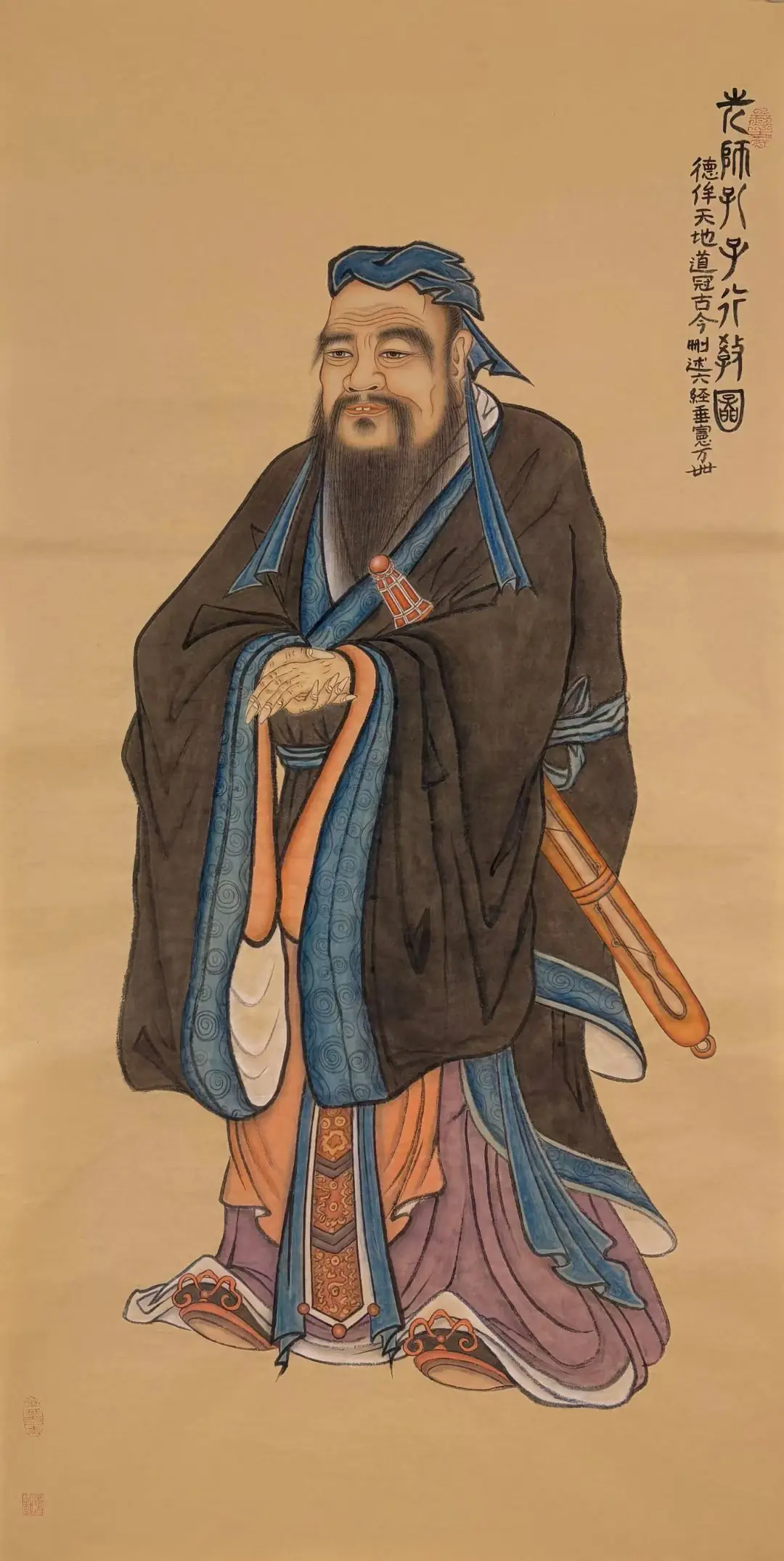
This passage from the *Analects* (Book 10, Chapter 2) illustrates Confucius' mastery of *Lǐ* (ritual propriety) in the hierarchical setting of the Zhou court. The term "xiāng dǎng" (乡党, local community) refers to the ancient administrative unit of 500 households, later extended to mean one's native place. Confucius, born in the Changping village of Zouyi (modern Qufu, Shandong), exemplified how a junzi (君子, exemplary person) adapts his demeanor to show respect without servility, balancing sincerity with social order. This teaching remains central to East Asian etiquette, emphasizing that harmony arises from knowing when to be warm, when to be formal, and when to be reverent.