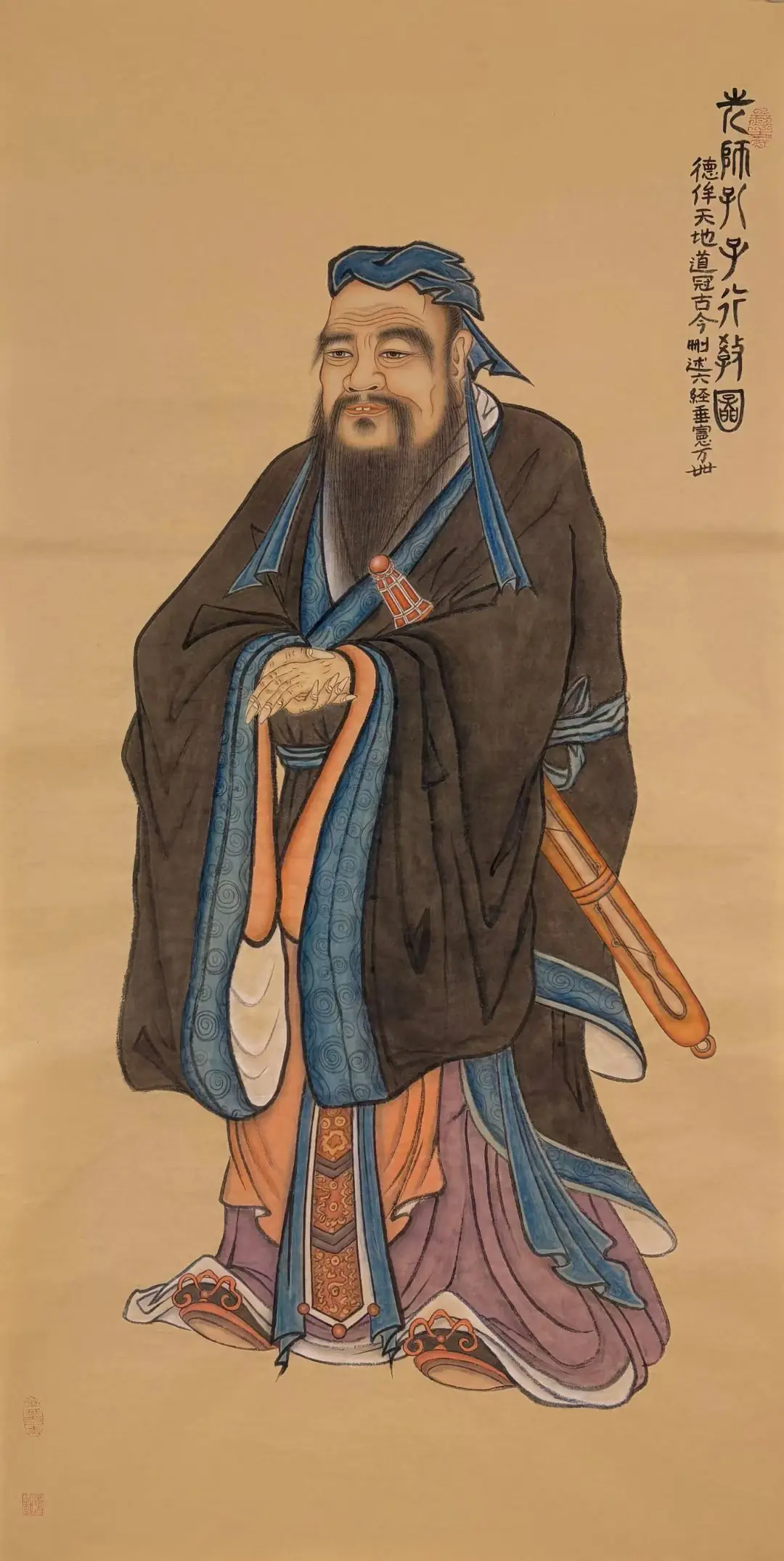
The Original Quote:
朋友之馈,虽车马,非祭肉,不拜。
Péngyǒu zhī kuì, suī chē mǎ, fēi jì ròu, bù bài.
English Translation:
When a friend bestowed a gift, though it were a carriage and horses, if it was not meat offered in sacrifice, Confucius did not bow in gratitude.
Key Concepts Explained:
- Li (礼): Ritual propriety; the outward expression of inner virtue through prescribed social norms. Here, it dictates that only gifts tied to sacred acts (ancestral sacrifice) warrant a formal bow, distinguishing between material value and spiritual significance.
- Yi (义): Righteousness or moral duty; the principle that actions should be guided by ethical integrity rather than personal gain. Confucius’s refusal to bow for lavish gifts underscores that friendship is rooted in mutual respect, not transactional benefit.
- Ren (仁): Benevolence or humaneness; the core virtue of caring for others authentically. True friendship, as modeled here, prioritizes emotional bonds over material wealth, reflecting ren in action.
- Ming (命): Fate or destiny; the recognition of life’s given circumstances. Confucius’s acceptance of gifts without ostentation aligns with accepting one’s social role gracefully.
Cultural Context:
This passage from The Analects (Book 10, Chapter 16) reflects Confucius’s nuanced approach to friendship in ancient China’s hierarchical society. During the Spring and Autumn period (770–476 BCE), gifts like carriages and horses symbolized immense wealth, yet Confucius reserved formal bows only for sacrificial meat—items consecrated to ancestors or deities. This practice distinguished between secular generosity (which required gratitude but not ritualized deference) and sacred offerings (which demanded full propriety). The principle aligns with Confucius’s broader philosophy: friendships should thrive on sincerity (cheng 诚) and moral principles (yi 义), not material exchange. Historical figures like Bao Shuya and Guan Zhong exemplify this ideal—Bao Shuya valued Guan Zhong’s character over his apparent greed, later sacrificing his own rank to recommend Guan Zhong as prime minister. This story, celebrated as the “Guan-Bao Friendship,” illustrates how Confucian friendship transcends utility, emphasizing loyalty, understanding, and ethical commitment. In modern terms, the passage warns against instrumental relationships, urging individuals to cultivate bonds grounded in shared virtue and mutual growth.