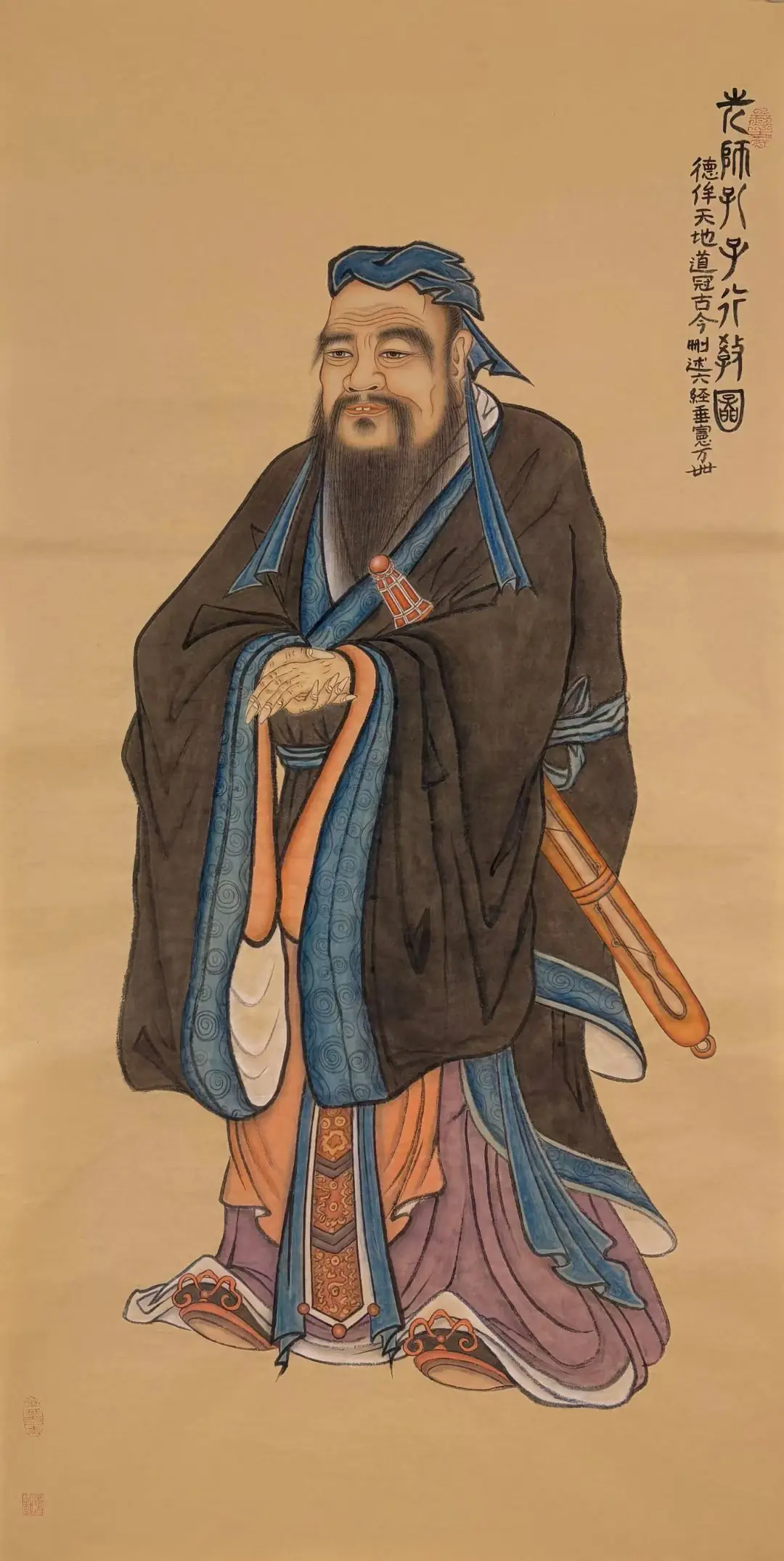
The Original Quote:
子贡问友,子曰:“忠告而善道之,不可则止,毋自辱焉。”
Zǐ Gòng wèn yǒu, zǐ yuē: “Zhōng gào ér shàn dǎo zhī, bù kě zé zhǐ, wú zì rǔ yān.”
English Translation:
Zi Gong inquired about friendship. The Master said: “Give faithful counsel and lead him with goodness; if he does not follow, then desist—do not bring shame upon yourself.”
Key Concepts Explained:
- Zhōng (忠): Faithfulness or loyalty—the inner sincerity and wholehearted commitment one brings to moral counsel, rooted in genuine care for the friend’s well-being.
- Shàn dǎo (善道): Skillful guidance—the art of leading others with moral goodness, emphasizing gentle persuasion rather than compulsion.
- Wú zì rǔ (毋自辱): Avoid self-humiliation—a principle of relational propriety (Lǐ, 礼) that respects both the friend’s autonomy and one’s own dignity, preventing overreach.
Cultural Context:
This passage from the Analects (Lúnyǔ, 论语) illustrates Confucian friendship as a disciplined moral practice. In ancient China, friendship was one of the Five Cardinal Relationships (Wǔlún, 五伦), emphasizing reciprocal duty and ethical cultivation. Confucius advises that even virtuous advice must be offered with restraint, reflecting the virtue of Rén (仁, benevolence) as balanced by Lǐ (礼, ritual propriety). This wisdom remains relevant today, teaching that true friendship honors both truth and tact, avoiding coercion to preserve harmony and mutual respect.