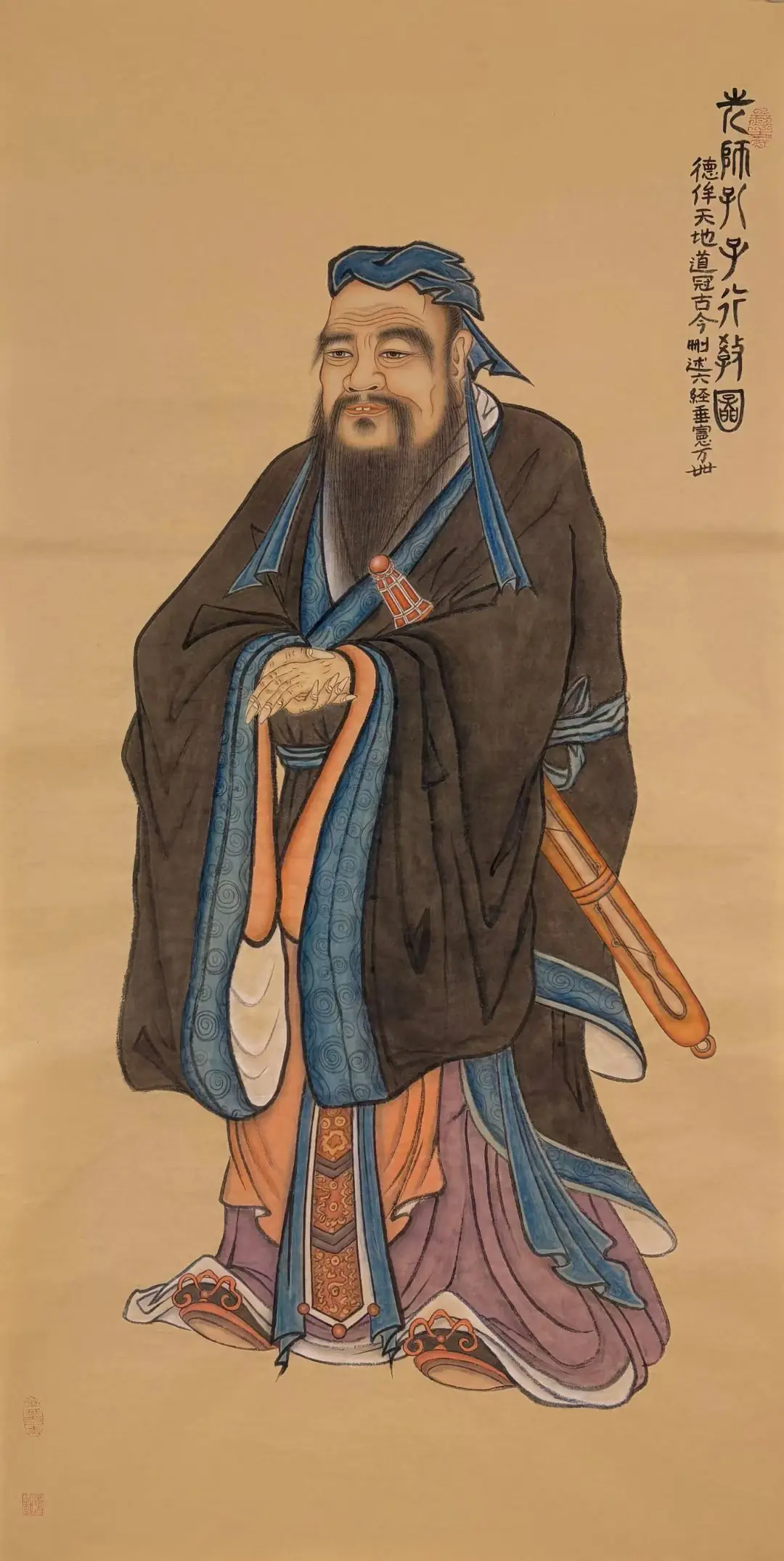
The Original Quote:
子曰:“听讼,吾犹人也。必也使无讼乎。”
Zǐ yuē: “Tīng sòng, wú yóu rén yě. Bì yě shǐ wú sòng hū.”
English Translation:
“In hearing litigation, I am like others. What is essential is to bring it about that there be no litigation.”
Key Concepts Explained:
- Moral Cultivation (教化, jiào huà): The process of shaping character through ethical education and social influence, emphasizing transformation of customs rather than mere instruction.
- Ritual Propriety (礼, lǐ): The traditional norms and rites that guide conduct, fostering harmony and self-restraint in social interactions.
- Benevolence (仁, rén): The core virtue of humaneness, encompassing compassion, empathy, and the desire for the well-being of others.
- Social Harmony (和, hé): The ideal state of balance and concord achieved when individuals fulfill their roles with integrity and mutual respect.
Cultural Context:
This passage from the Analects reflects Confucius’s belief that the highest goal of governance is not skillful adjudication but the prevention of conflict through moral transformation. In ancient China, litigation was seen as a symptom of societal decay—a failure of ethical education. Confucius advocated for jiào huà (moral cultivation) as the primary means to restore social order, arguing that when people internalize virtues like lǐ (ritual propriety) and rén (benevolence), disputes naturally diminish. This ideal was later exemplified by officials like Han Yanshou of the Western Han dynasty, who prioritized teaching over punishment, even taking personal responsibility for local conflicts. His approach—closing his office in remorse after a land dispute—demonstrated how a leader’s moral example could inspire reconciliation, reducing the need for formal litigation. This tradition underscores the Confucian emphasis on preventive ethics over punitive justice, a principle that continues to influence East Asian legal and educational philosophies.