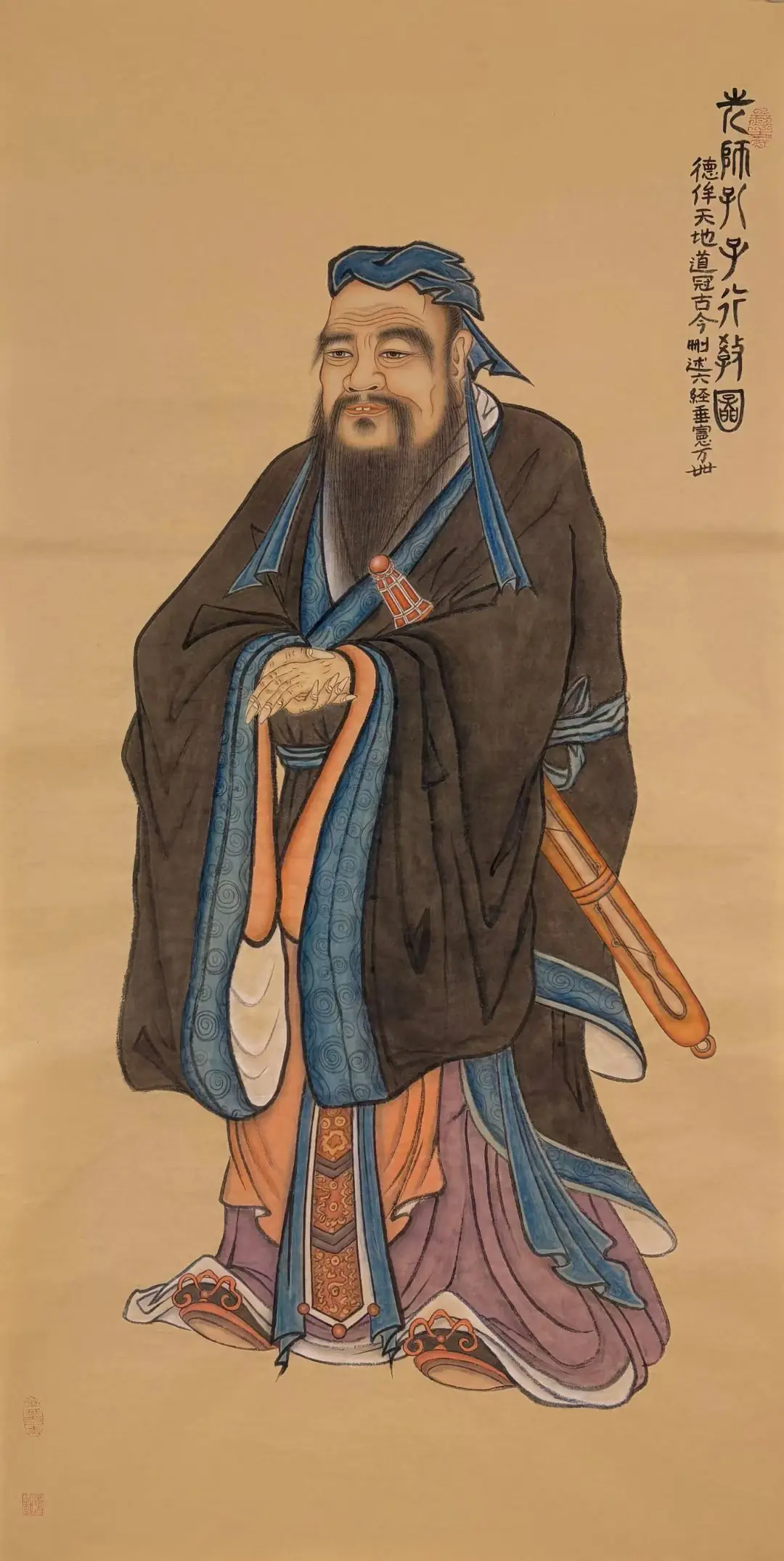
The Original Quote:
樊迟从游于舞雩之下,曰:“敢问崇德、修慝、辨惑。”子曰:“善哉问!先事后得,非崇德与?攻其恶,无攻人之恶,非修慝与?一朝之忿,忘其身,以及其亲,非惑与?”
Fán Chí cóng yóu yú wǔ yú zhī xià, yuē: “Gǎn wèn chóng dé, xiū tè, biàn huò.” Zǐ yuē: “Shàn zāi wèn! Xiān shì hòu dé, fēi chóng dé yǔ? Gōng qí è, wú gōng rén zhī è, fēi xiū tè yǔ? Yī zhāo zhī fèn, wàng qí shēn, yǐ jí qí qīn, fēi huò yǔ?”
English Translation:
Fan Chi, accompanying the Master on an excursion beneath the Rain Altar, inquired: “May I presume to ask how to exalt virtue, rectify hidden faults, and discern confusion?” The Master replied: “An excellent question! To labor first and reap afterward—is this not exalting virtue? To attack one’s own faults, not those of others—is this not rectifying hidden faults? To forget one’s own person, and even one’s parents, in a moment of rage—is this not confusion?”
Key Concepts Explained:
- Chong De (崇德): The cultivation of virtue through prioritizing effort over reward, embodying the principle of “先事后得” (xiān shì hòu dé)—work first, gain later.
- Xiu Te (修慝): The rectification of hidden faults or resentments by self-criticism rather than blaming others, aligning with “严于律己,宽以待人” (strict with oneself, lenient with others).
- Bian Huo (辨惑): The discernment of confusion, specifically the folly of acting on impulse and neglecting familial bonds, as in “一朝之忿,忘其身,以及其亲” (a single angry outburst, forgetting oneself and one’s kin).
- Ren (仁): While not explicit here, this concept underlies the text—benevolence and humanity as the foundation of self-cultivation, linking virtue to social harmony.
Cultural Context:
This passage from the Analects (论语, Lúnyǔ) reflects Confucius’s emphasis on personal cultivation as the root of social order. In the Spring and Autumn period (770–476 BCE), ethical decay and political strife prompted Confucius to teach that self-discipline—through virtue, fault-rectification, and emotional control—precedes effective governance. The “舞雩” (Rain Altar) setting evokes a ritual space where philosophical dialogue bridges the human and the cosmic. These three principles have shaped Chinese moral education for millennia, influencing everything from family ethics to bureaucratic conduct, and remain central to East Asian Confucian thought.