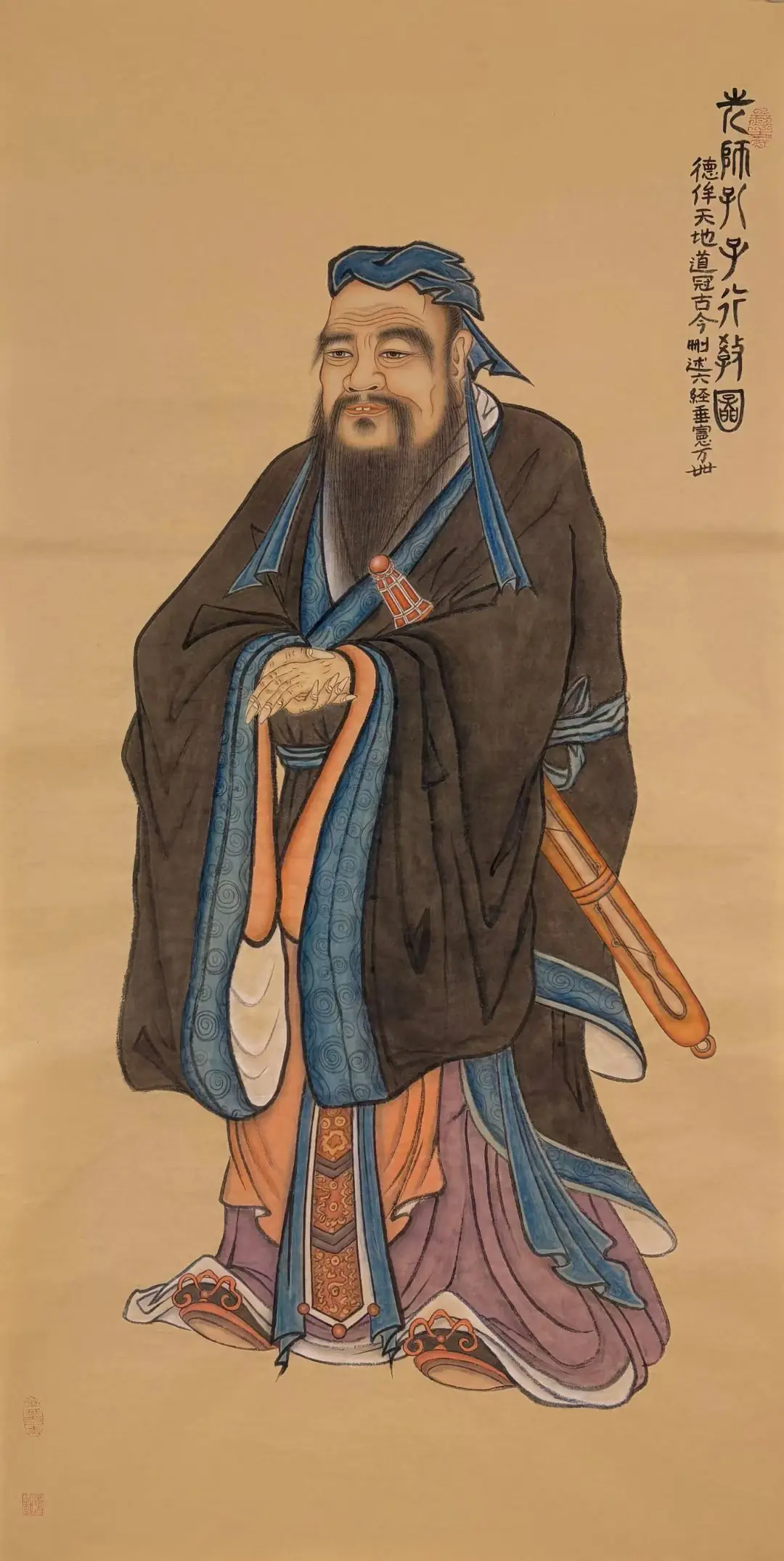
The Original Quote:
司马牛忧曰:“人皆有兄弟,我独亡。”子夏曰:“商闻之矣:死生有命,富贵在天。君子敬而无失,与人恭而有礼,四海之内皆兄弟也。君子何患乎无兄弟也?”
Sīmǎ Niú yōu yuē: “Rén jiē yǒu xiōngdì, wǒ dú wú.” Zǐxià yuē: “Shāng wén zhī yǐ: sǐshēng yǒu mìng, fùguì zài tiān. Jūnzǐ jìng ér wú shī, yǔ rén gōng ér yǒu lǐ, sìhǎi zhī nèi jiē xiōngdì yě. Jūnzǐ hé huàn hū wú xiōngdì yě?”
English Translation:
Sima Niu lamented, saying, “All men have brothers, but I alone have none.” Zixia replied, “I have heard it said: ‘Life and death are decreed by fate (mìng); wealth and honour rest with Heaven (tiān). The noble person (jūnzǐ) is reverent and without fault, humble and courteous towards others, and within the four seas all are brothers. Why should the noble person worry about having no brothers?”
Key Concepts Explained:
- 命 (Mìng): Fate or mandate, referring to the natural order and limits of life beyond human control, such as death and fortune.
- 天 (Tiān): Heaven, the transcendent moral order that governs destiny, distinct from a personal deity.
- 君子 (Jūnzǐ): The noble person or exemplary individual, one who cultivates virtue (dé) and moral integrity.
- 敬 (Jìng): Reverence or inner seriousness—a mindful attitude that prevents error and commands respect.
- 礼 (Lǐ): Ritual propriety or courteous conduct, the external expression of inner respect that fosters social harmony.
- 四海之内 (Sìhǎi zhī nèi): “Within the four seas,” a classical metaphor for the entire civilized world, implying universal brotherhood.
Cultural Context:
This passage from the Analects (Lúnyǔ, 12.5) reflects the Confucian emphasis on moral cultivation as the foundation of social bonds. In ancient China, biological kinship was central to identity and support, yet Zixia redefines brotherhood as a product of virtue, not blood. The idea that “virtue is not left alone; it always has neighbors” (dé bù gū, bì yǒu lín) resonates here, teaching that ethical conduct—reverence, humility, and propriety—attracts loyal companions. Historically, this philosophy empowered individuals to transcend social isolation through self-cultivation, as exemplified by the sage-king Shùn, whose virtue drew followers despite his humble origins.