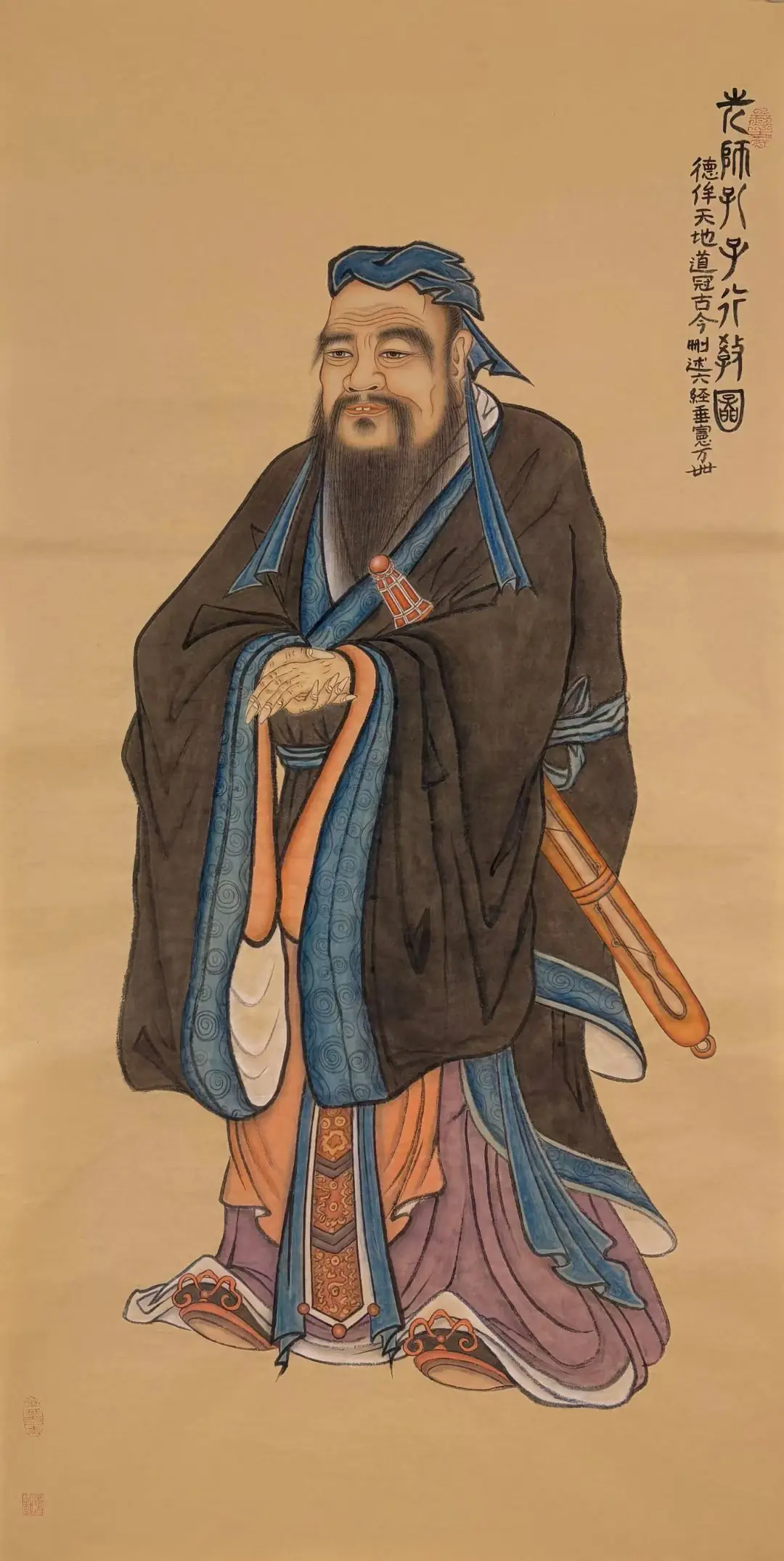
The Original Quote:
子张问:“士何如斯可谓之达矣?”子曰:“何哉,尔所谓达者?”子张对曰:“在邦必闻,在家必闻。”子曰:“是闻也,非达也。夫达也者,质直而好义,察言而观色,虑以下人。在邦必达,在家必达。夫闻也者,色取仁而行违,居之不疑。在邦必闻,在家必闻。”
Zǐ Zhāng wèn: “Shì hé rú sī kě wèi zhī dá yǐ?” Zǐ yuē: “Hé zāi, ěr suǒ wèi dá zhě?” Zǐ Zhāng duì yuē: “Zài bāng bì wén, zài jiā bì wén.” Zǐ yuē: “Shì wén yě, fēi dá yě. Fū dá yě zhě, zhì zhí ér hào yì, chá yán ér guān sè, lǜ yǐ xià rén. Zài bāng bì dá, zài jiā bì dá. Fū wén yě zhě, sè qǔ rén ér xíng wéi, jū zhī bù yí. Zài bāng bì wén, zài jiā bì wén.”
English Translation:
Zizhang asked: “How must a scholar-official act to be called ‘attained’ (dá)?” The Master said: “What do you mean by ‘attained’?” Zizhang replied: “He must be renowned in the state and renowned in the noble household.” The Master said: “That is renown (wén), not attainment. One who is attained is upright in nature and fond of righteousness; he examines words and observes countenance, and is mindful to defer to others. Such a one will be attained in the state and attained in the noble household. One who is renowned assumes a benevolent appearance but acts contrary to it, resting in this without doubt. He will be renowned in the state and renowned in the noble household.”
Key Concepts Explained:
- Dá (达): True attainment or moral penetration—a state of inner integrity that naturally manifests in social influence, rooted in virtue rather than external acclaim.
- Wén (闻): Superficial renown or fame—reputation gained through appearance or artifice, often divorced from genuine moral character.
- Rén (仁): Benevolence or humaneness—the core Confucian virtue of empathetic goodness, here contrasted with mere “color of benevolence” (色取仁).
- Yì (义): Righteousness or moral fittingness—the quality of acting in accordance with what is proper, which the “attained” person loves (好义).
- Zhì zhí (质直): Upright nature—inborn sincerity and straightforwardness, as opposed to calculated performance.
Cultural Context:
This passage from the Analects (Book 12, Chapter 20) addresses a perennial tension in Confucian ethics: the gap between inner virtue and outer reputation. Confucius distinguishes between “dá” (true moral influence) and “wén” (mere fame), warning that the latter can be achieved through hypocrisy—feigning benevolence while acting otherwise. Historically, this teaching countered the Eastern Zhou trend of elite posturing, and later influenced critiques of corrupt practice, such as the Han dynasty “filial and incorrupt” (孝廉) recommendation system, where figures like Xu Wu (许武) staged sacrifices to gain notoriety. The passage remains a timeless call: authentic cultivation, not public applause, defines the Confucian gentleman.