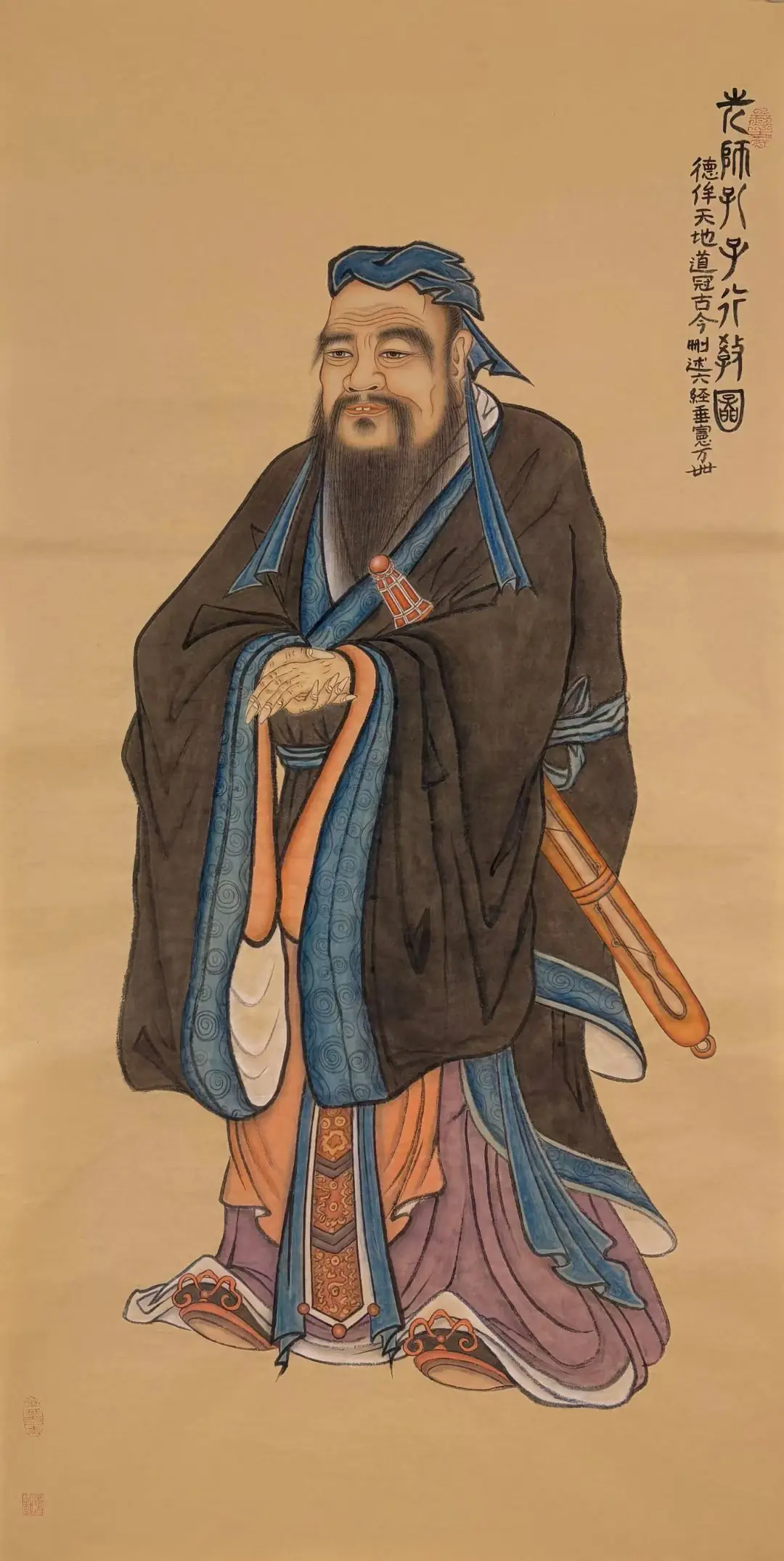
The Original Quote:
司马牛问君子,子曰:“君子不忧不惧。”曰:“不忧不惧,斯谓之君子已乎?”子曰:“内省不疚,夫何忧何惧?”
Sīmǎ Niú wèn jūnzǐ, zǐ yuē: “Jūnzǐ bù yōu bù jù.” Yuē: “Bù yōu bù jù, sī wèi zhī jūnzǐ yǐ hū?” Zǐ yuē: “Nèixǐng bù jiù, fū hé yōu hé jù?”
English Translation:
Simā Niú inquired about the exemplary person (jūnzǐ). The Master said: "The exemplary person is free from anxiety and fear." Simā Niú replied: "Is being free from anxiety and fear all that it takes to be called an exemplary person?" The Master answered: "When one examines oneself inwardly and finds no remorse, what cause remains for anxiety or fear?"
Key Concepts Explained:
- Jūnzǐ (君子): Originally meaning "ruler's son," in Confucian philosophy it denotes a person of moral cultivation and virtue—the ideal human character who leads through ethical example rather than force.
- Nèixǐng (内省): "Inner reflection" or "self-examination"—a core Confucian practice of introspective moral scrutiny, akin to a daily audit of one's thoughts and actions against ethical standards.
- Bù jiù (不疚): "Without remorse" or "free from guilt"—the state achieved when one's actions align with righteousness (yì, 义), allowing a clear conscience and inner peace.
Cultural Context:
This dialogue reflects Confucius's pedagogical method of tailoring advice to the student's character. Simā Niú, known for his impatience and sharp tongue, is guided away from external standards of virtue toward internal self-mastery. In ancient Chinese society, where social harmony depended on ritual propriety (lǐ, 礼) and moral self-cultivation, Confucius here emphasizes that the true mark of a jūnzǐ is not the absence of external threat, but the presence of inner integrity. This teaching anticipates later Neo-Confucian practices of quiet sitting and moral introspection, and remains a foundational principle in East Asian ethics: virtue originates not from outward composure, but from a conscience at peace with itself.