The Original Quote:
季康子问政于孔子,孔子对曰:“政者,正也。子帅以正,孰敢不正?”
Jì Kāngzǐ wèn zhèng yú Kǒngzǐ, Kǒngzǐ duì yuē: “Zhèng zhě, zhèng yě. Zǐ shuài yǐ zhèng, shú gǎn bù zhèng?”
English Translation:
Ji Kangzi inquired of Confucius concerning governance. Confucius replied, “Governance (zhèng) is rectitude (zhèng). If you, sir, lead with rectitude, who among your subjects would dare to deviate from rectitude?”
Key Concepts Explained:
- 政 (Zhèng): Governance, rule, or administration—conceived not as mere political power, but as moral ordering of society.
- 正 (Zhèng): Rectitude, uprightness, or correctness—the ethical standard that aligns personal conduct with cosmic harmony.
- 德 (Dé): Virtue or moral power—the inner quality that enables a ruler to influence others without coercion, central to Confucian political thought.
- 修身 (Xiū Shēn): Self-cultivation—the foundational practice of refining one’s character, upon which all social and political order depends.
Cultural Context:
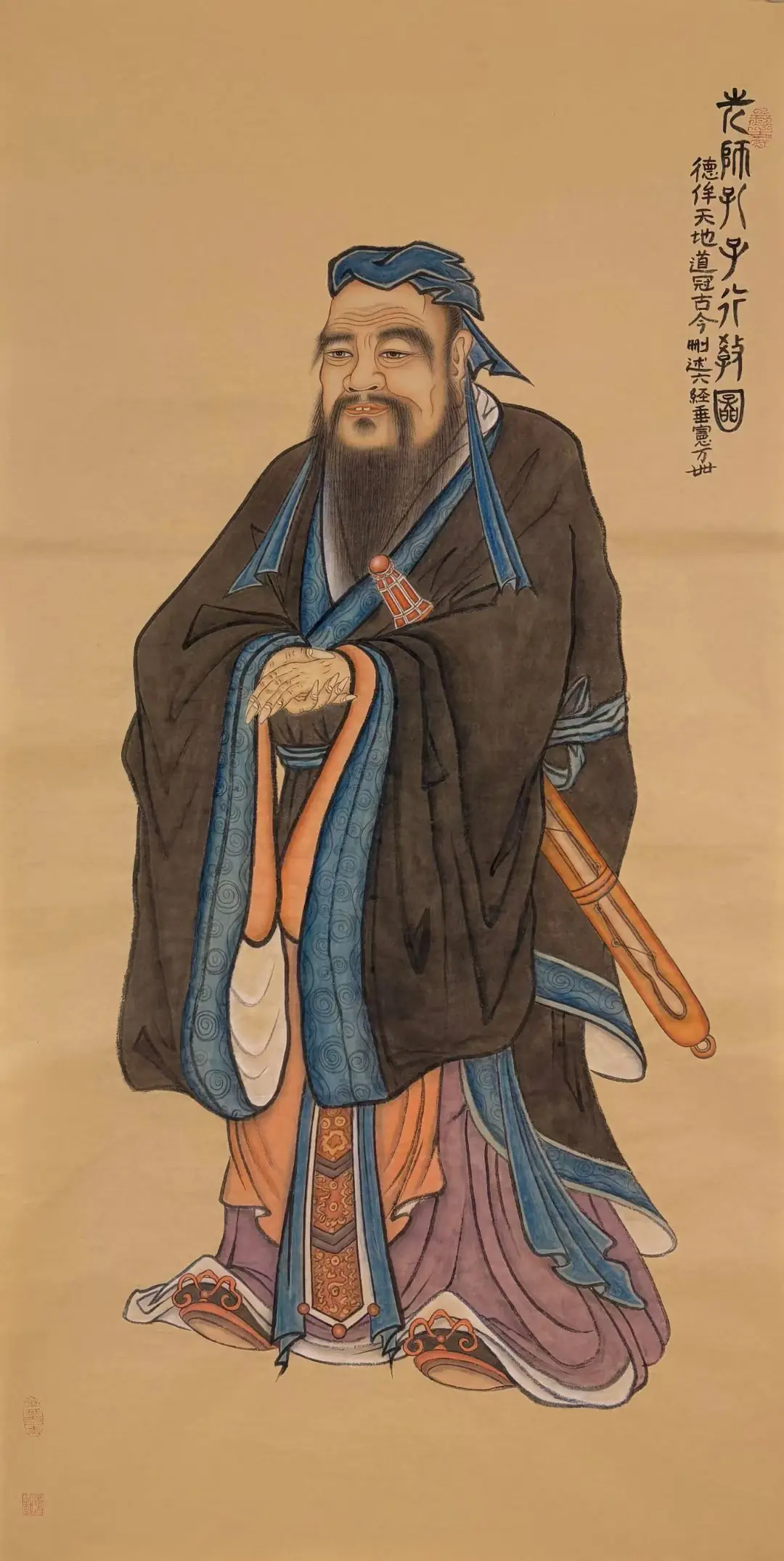
This passage from the Analects (Lúnyǔ) emerges from the Spring and Autumn period, a time of political fragmentation and moral decay. Confucius (Kǒngzǐ, 551–479 BCE) here addresses Ji Kangzi, a powerful noble of the state of Lu, emphasizing that true governance begins not with laws or force, but with the ruler’s personal example. The homophony between 政 (zhèng, governance) and 正 (zhèng, rectitude) is deliberate, underscoring the inseparability of ethics and politics. This principle—that a virtuous ruler transforms society through moral influence rather than punitive decrees—became the cornerstone of China’s humanistic tradition, where the ideal “sage-king” (shèng wáng) rules by virtue (dé) rather than coercion. The concept later evolved into the doctrine of “rule by virtue” (wéi zhèng yǐ dé) that shaped imperial governance for over two millennia.