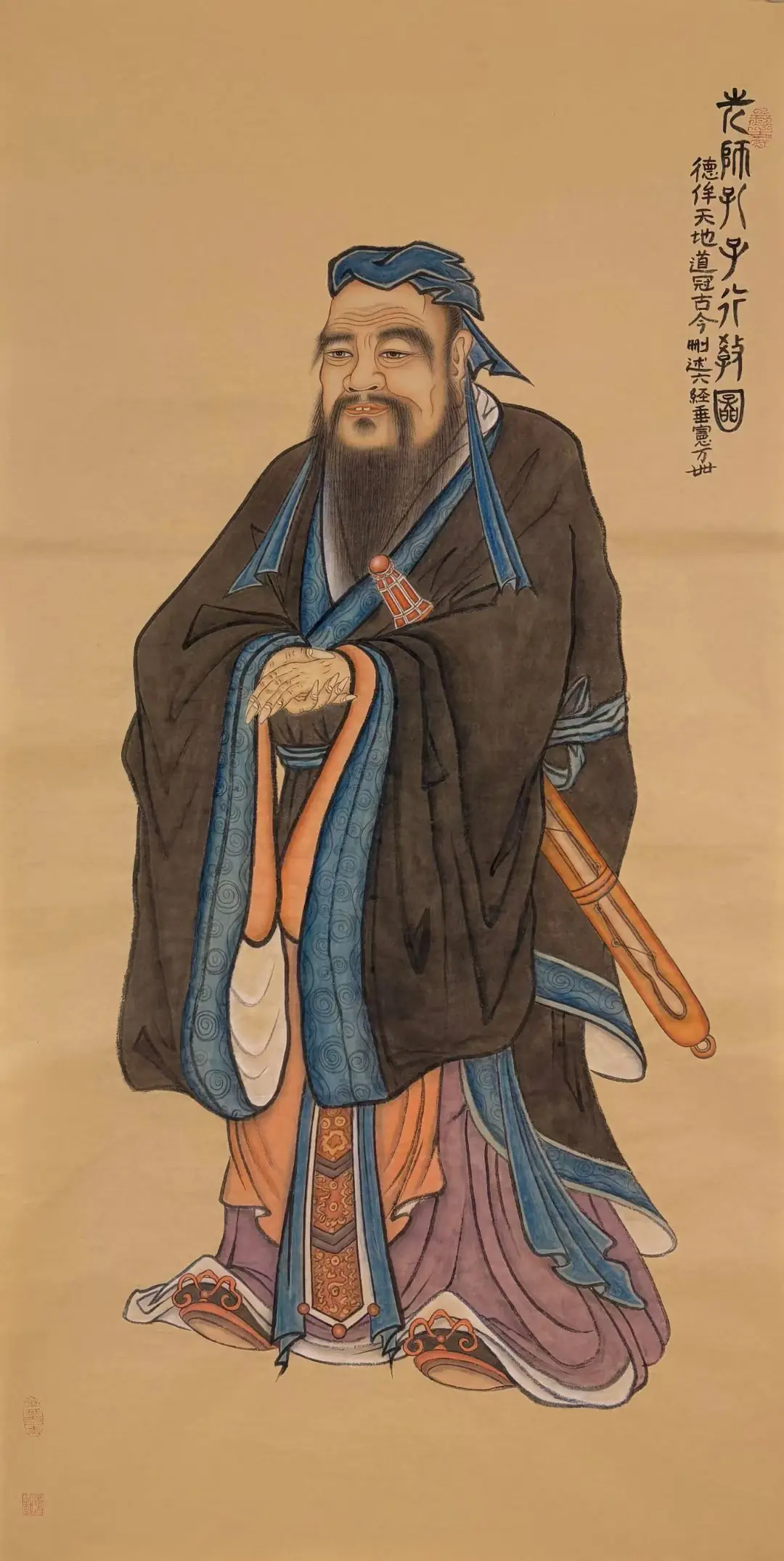
The Original Quote:
子曰:“博学于文,约之以礼,亦可以弗畔矣夫。”
Zǐ yuē: “Bó xué yú wén, yuē zhī yǐ lǐ, yì kě yǐ fú pàn yǐ fū.”
English Translation:
The Master said: “One who learns broadly of culture and refines oneself through ritual propriety may thereby avoid straying from the Way.”
Key Concepts Explained:
- 文 (wén): Literally “pattern” or “culture,” here denoting the classical texts, arts, and traditions that embody moral wisdom and social order.
- 礼 (lǐ): “Ritual propriety” or “rites”—the structured norms, ceremonies, and conduct that cultivate inner virtue and harmonize human relationships.
- 畔 (pàn): “To rebel” or “to deviate,” implying not only political disloyalty but any departure from ethical and cosmic harmony (道, dào).
Cultural Context:
This aphorism from Book 6 of the Analects (repeated in Book 12) encapsulates Confucius’s core pedagogy: intellectual breadth must be tempered by ritual discipline. In the turbulent Spring and Autumn period (c. 770–476 BCE), when feudal loyalties fractured, Confucius championed 礼 (lǐ) as the glue of civilization—not mere etiquette, but a transformative practice aligning personal conduct with cosmic order. The phrase 博约 (bó yuē) later became a hallmark of Confucian education, emphasizing that true learning integrates wide knowledge with self-restraint, preventing the “rebellion” (畔, pàn) of arrogance or moral chaos. This balance informed China’s civil service exams for two millennia, shaping a scholar-official ideal where erudition serves social harmony.