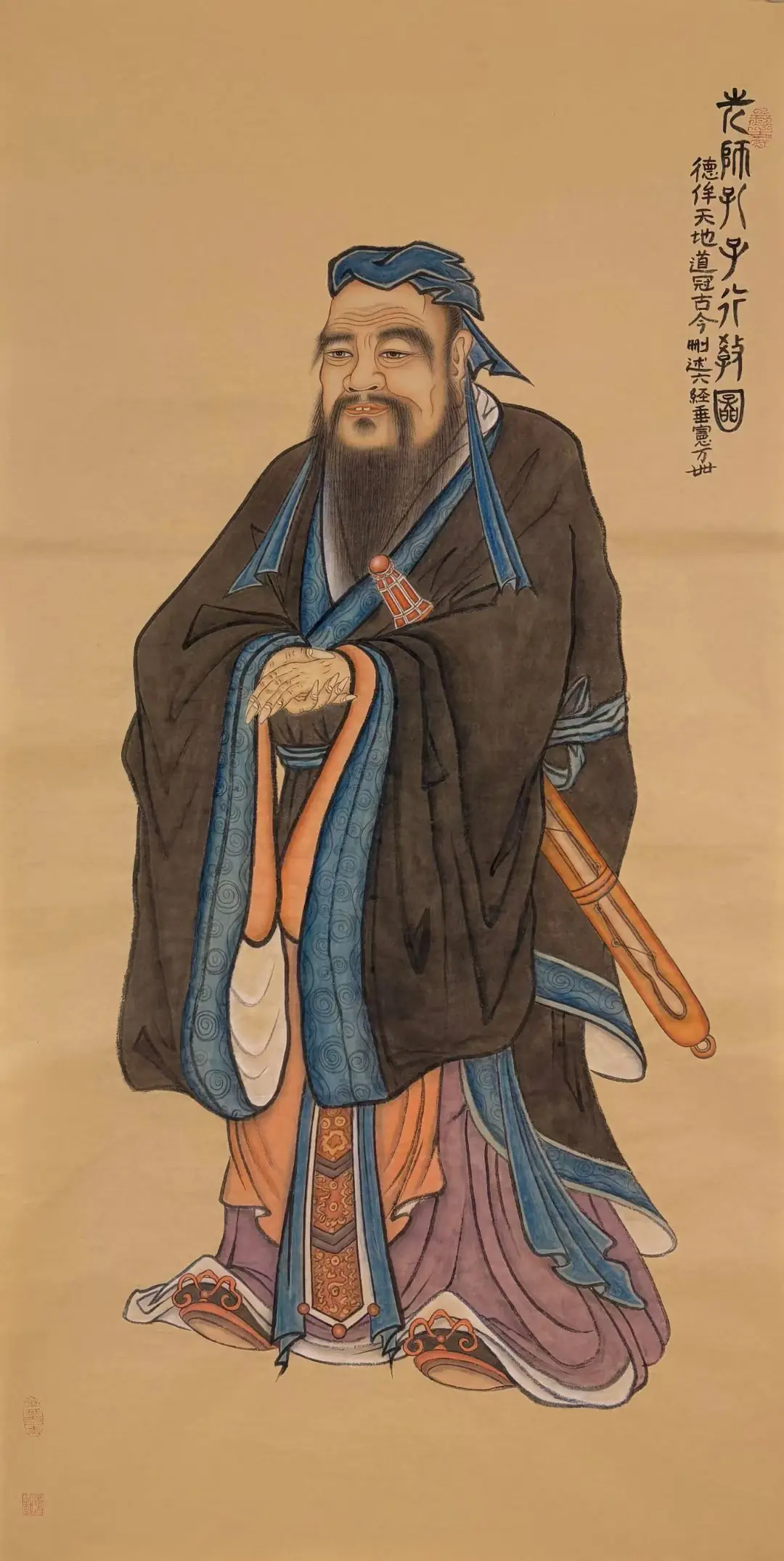
The Original Quote:
子曰:“片言可以折狱者,其由也与?”子路无宿诺。
Zǐ yuē: “Piàn yán kě yǐ zhé yù zhě, qí Yóu yě yǔ?” Zǐlù wú sù nuò.
English Translation:
The Master said: “He who can decide a lawsuit by a single statement—is that not Zhong You (Zilu)?” For Zilu never slept on a promise.
Key Concepts Explained:
- 信 (Xìn): Trustworthiness or integrity—a core virtue in Confucian ethics, denoting reliability in words and deeds, which fosters social harmony and efficient governance.
- 仁 (Rén): Benevolence or humaneness—the ultimate Confucian virtue, reflected here in Zilu’s ability to inspire truthfulness in others through his own moral character.
- 礼 (Lǐ): Ritual propriety—the framework of social norms that, when practiced with sincerity, cultivates trust and order, as seen in Zilu’s unwavering commitment to his word.
Cultural Context:
This passage from the Analects (Book 12, Chapter 12) highlights the Confucian ideal of moral authority in leadership. Zilu (also known as Zhong You), a prominent disciple of Confucius, was renowned for his courage and unwavering integrity. In ancient Chinese judicial practice, cases typically required testimony from both parties. However, Zilu’s exceptional reputation for trustworthiness (xìn) meant that people dared not deceive him, allowing him to render fair judgments based solely on one side’s account. This anecdote underscores a key Confucian principle: a ruler or official’s personal virtue can simplify governance and inspire societal honesty, reducing reliance on complex legal procedures. Historically, it reflects the Spring and Autumn period’s emphasis on character over codified law, a theme that continues to influence East Asian leadership ideals.