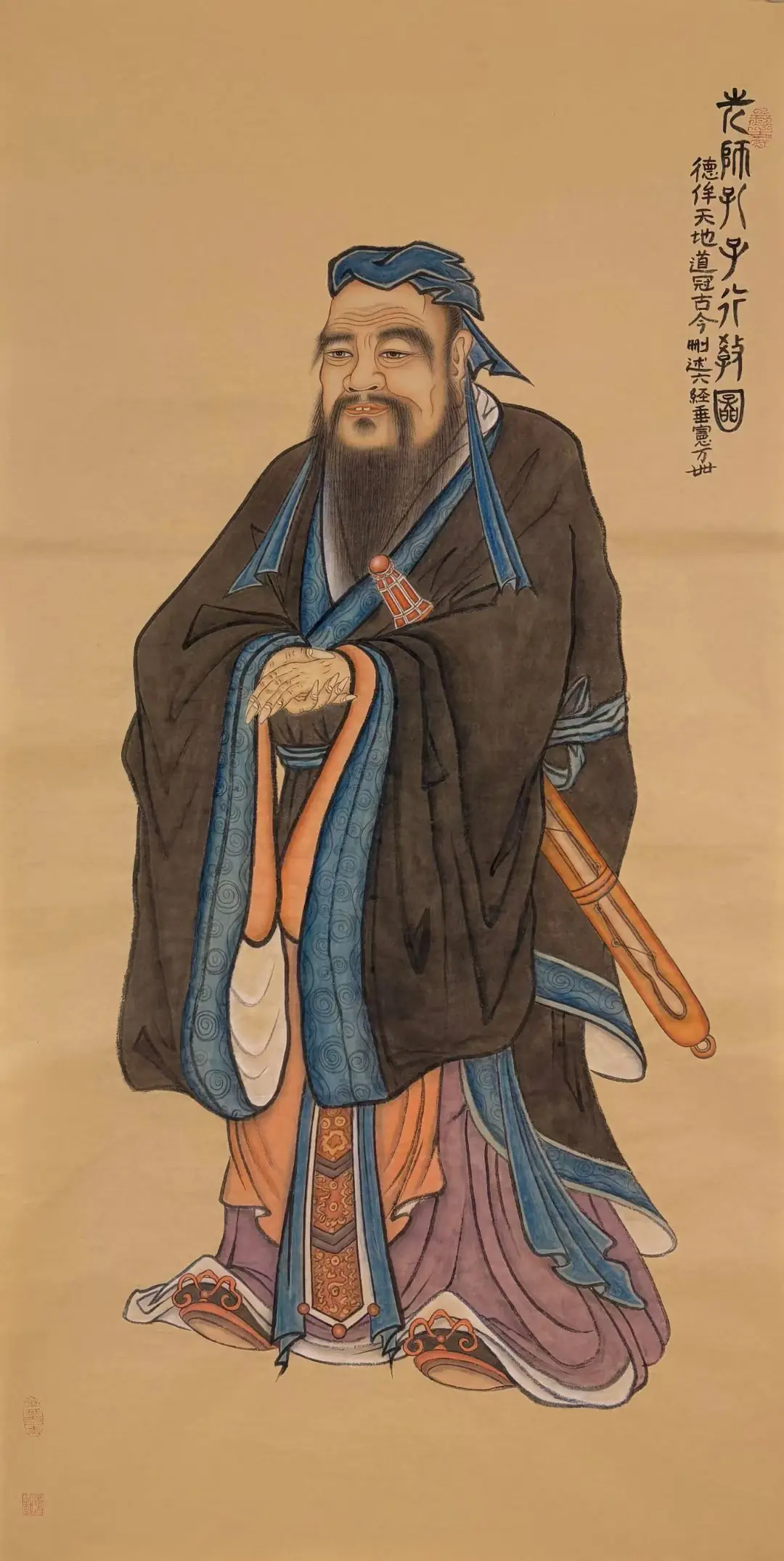
The Original Quote:
子张问政,子曰:“居之无倦,行之以忠。”
Zǐzhāng wèn zhèng, zǐ yuē: “Jū zhī wú juàn, xíng zhī yǐ zhōng.”
English Translation:
Zizhang inquired about governance. The Master replied, “Abide in your office without weariness, and execute your duties with loyalty.”
Key Concepts Explained:
- Zhong (忠): The virtue of loyalty or faithfulness, signifying wholehearted commitment to one’s responsibilities and superiors, often linked to selfless devotion in service.
- Wu Juan (无倦): Literally “without weariness,” representing sustained diligence and perseverance, a core Confucian ideal for officials to avoid laziness or neglect in governance.
Cultural Context:
This passage, from Book 12 of the *Analects*, reflects Confucius’s emphasis on ethical leadership during the Spring and Autumn period—a time of political fragmentation. Here, he instructs Zizhang, a disciple known for ambition, that effective governance hinges not on power but on personal virtue: constant effort (jing) and unwavering fidelity (zhong). This principle shaped China’s civil service ethos, where officials were expected to embody moral rectitude, setting a foundation for bureaucratic integrity that influenced East Asian governance for centuries.