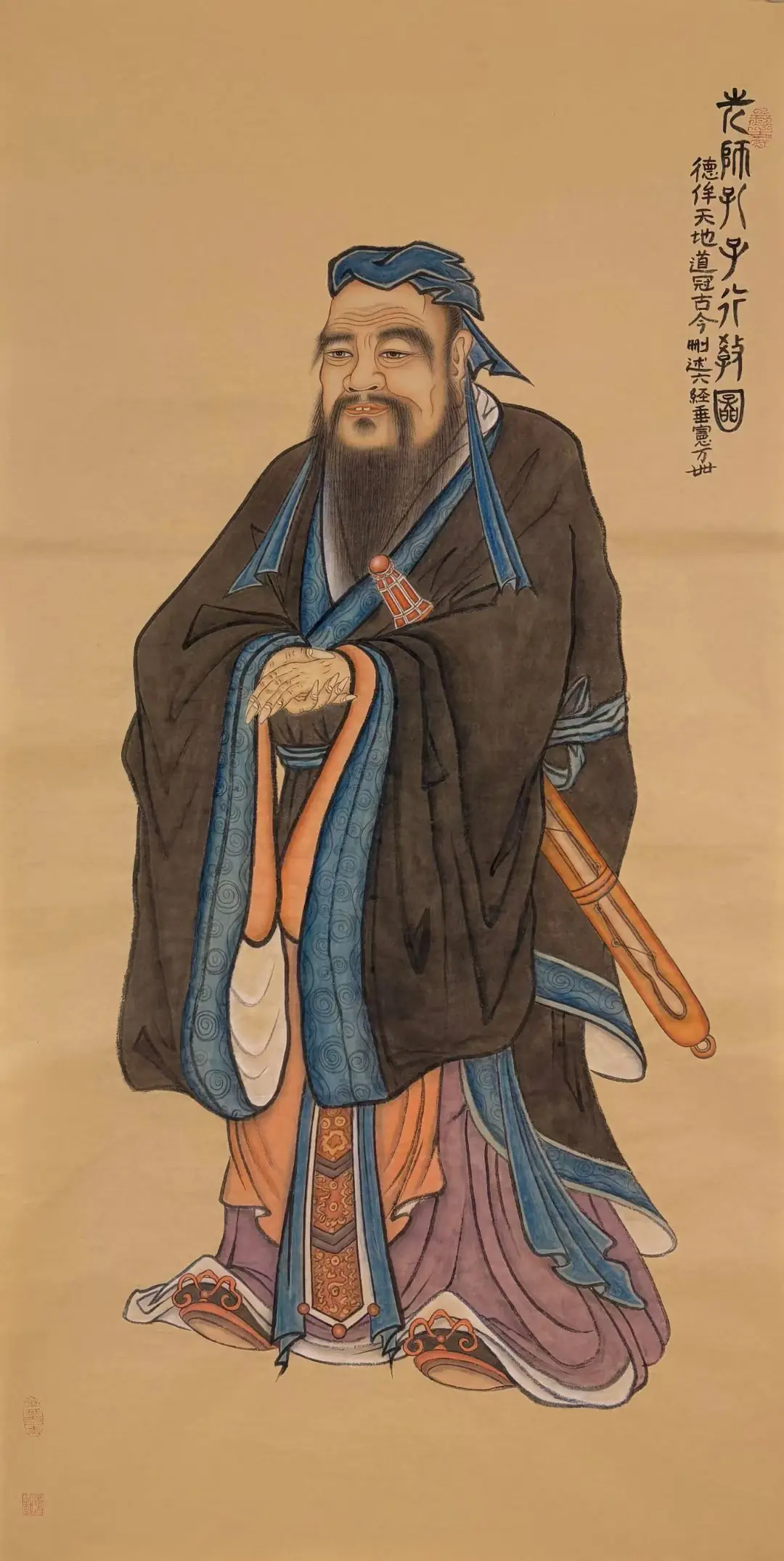
The Original Quote:
子曰:“君子贞而不谅。”
Zǐ yuē: “Jūnzǐ zhēn ér bù liàng.”
English Translation:
The Master said: “The exemplary person (jūnzǐ) holds fast to what is right and principled, rather than clinging rigidly to petty promises.”
Key Concepts Explained:
- 君子 (Jūnzǐ): The “exemplary person” or “noble-minded one”—an ideal of moral cultivation, embodying virtue and integrity in Confucian thought.
- 贞 (Zhēn): Uprightness, steadfastness, or adherence to core principles (often linked to righteousness, yì). It implies a firm commitment to moral truth, not mere literalness.
- 谅 (Liàng): Petty faithfulness or unyielding adherence to promises without discernment; contrasted with true integrity, it denotes a narrow, uncritical trustworthiness.
- 义 (Yì): Righteousness or what is fitting—a guiding principle that should govern all actions, including promises, ensuring they align with ethical duty.
- 仁 (Rén): Benevolence or humaneness—the core virtue of Confucianism, representing universal love and moral perfection, which serves as the ultimate standard for judgment.
Cultural Context:
This passage from the Analects (Lúnyǔ) addresses a tension central to Confucian ethics: the conflict between honoring one’s word and upholding higher principles. In classical China, trustworthiness (xìn) was a foundational virtue, yet Confucius here distinguishes between “zhen” (principled steadfastness) and “liang” (inflexible promise-keeping). The historical example of Yang Jishi (c. 5th century CE), who broke an oath to join a rebellion and reported it to the emperor, illustrates this teaching: he was praised for prioritizing righteousness (yì) over a misguided vow. Confucius’s insight, echoed by Mencius (“The great person does not necessarily keep every word or achieve every action; they follow only what is right”), reminds us that integrity demands wisdom, not blind adherence. In modern contexts, this principle guides ethical decision-making, urging a balance between commitment and moral discernment.