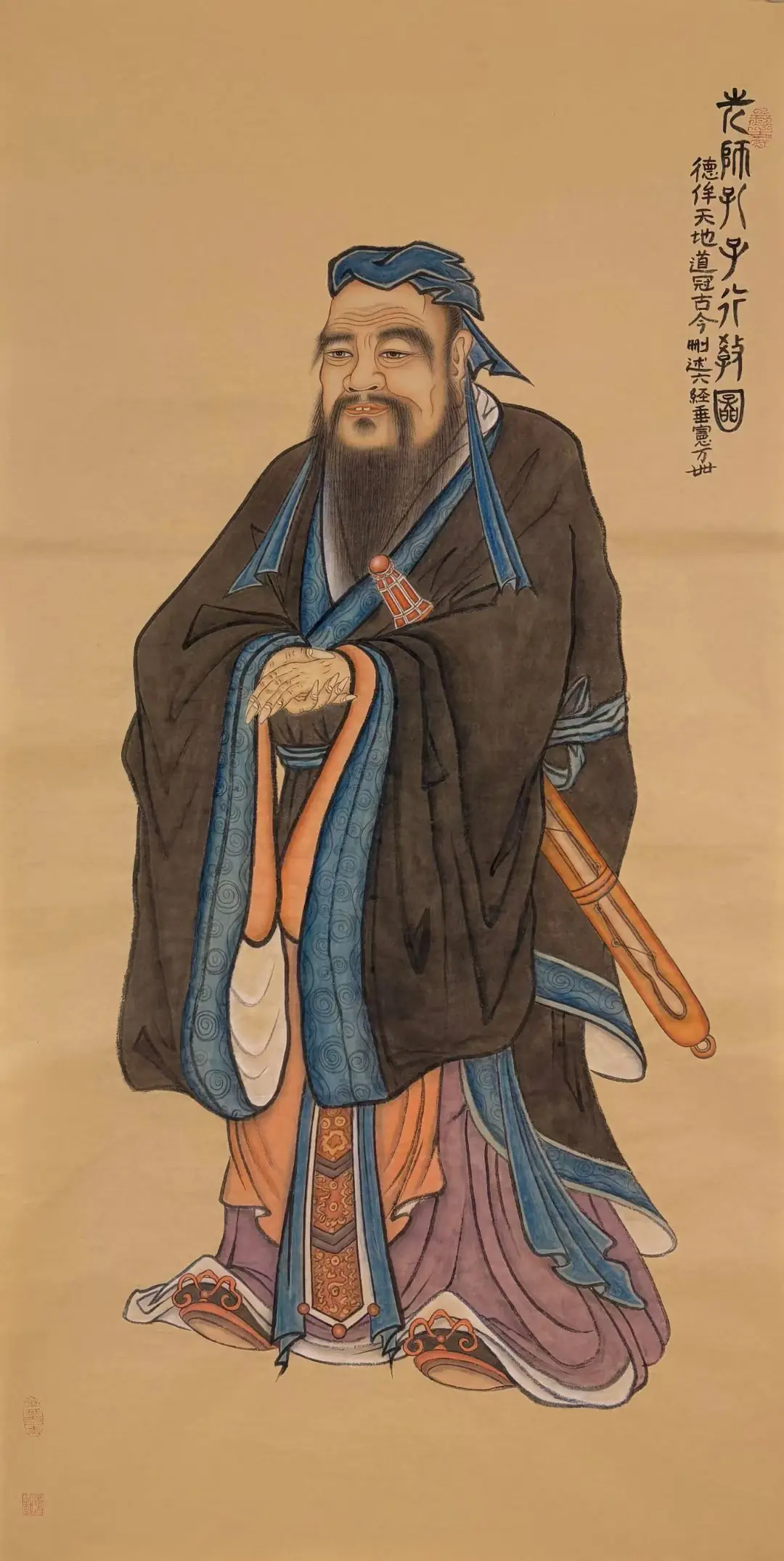
The Original Quote:
子曰:“君子疾没世而名不称焉。”
Zǐ yuē: “Jūnzǐ jí mò shì ér míng bù chēng yān.”
English Translation:
The Master said: “The noble man is pained that his name should be unremembered when he has passed from this world.”
Key Concepts Explained:
- 君子 (Jūnzǐ): The “noble man” or “exemplary person”—one who cultivates virtue (德, dé) and embodies moral rectitude, serving as a model for society.
- 名 (Míng): “Name” or “reputation”—not mere fame, but the enduring recognition of one’s virtuous deeds and character, aligned with the Confucian ideal of leaving a legacy that inspires posterity.
- 没世 (Mò shì): “End of life” or “after death”—emphasizing the temporal boundary between mortal existence and the eternal impact of one’s moral actions.
Cultural Context:
This aphorism from the Analects (《论语》, Lúnyǔ) reflects the Confucian conviction that life’s purpose transcends the self. In ancient China, the pursuit of posthumous renown was not vanity but a sacred duty: to be forgotten was to fail in one’s responsibility to society and Heaven (天, Tiān). The saying encouraged scholars and officials to strive for virtue and achievement, ensuring their name would be honored by future generations—a moral compass that shaped Chinese civil service ethics for millennia.