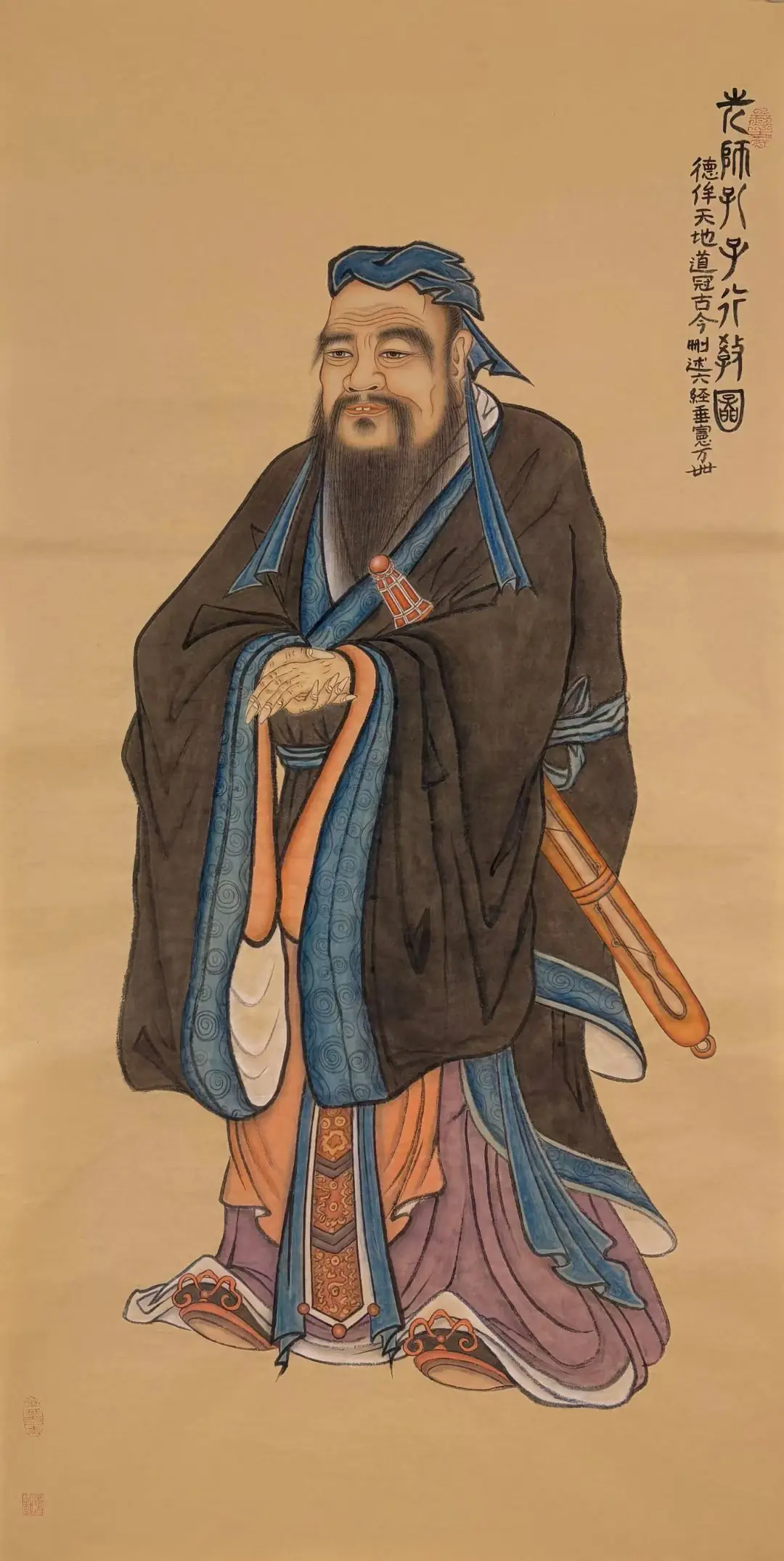
The Original Quote:
子曰:“君子不以言举人,不以人废言。”
Zǐ yuē: “Jūnzǐ bù yǐ yán jǔ rén, bù yǐ rén fèi yán.”
English Translation:
The Master said: “The exemplary person does not promote a man based solely on his words, nor does he discard a man’s words based solely on his character.”
Key Concepts Explained:
- 君子 (Jūnzǐ): The ‘exemplary person’ or ‘noble person’ in Confucian thought, one who cultivates virtue (德, dé) and moral integrity through self-cultivation and adherence to ritual propriety (礼, lǐ).
- 言 (yán): ‘Words’ or ‘speech’—here, referring to both eloquent expression and its underlying intent, which may be divorced from action.
- 举 (jǔ): ‘To promote’ or ‘elevate’—implying official recommendation or moral endorsement, reflecting Confucian emphasis on merit over mere rhetoric.
- 废 (fèi): ‘To discard’ or ‘reject’—highlighting the danger of bias based on a person’s flaws, as even the unworthy may offer valuable insights.
Cultural Context:
This passage from the Analects (《论语》, Lúnyǔ) reflects Confucius’s pragmatic ethics in governance and social relations during the Spring and Autumn period (c. 770–476 BCE), a time of political fragmentation. Confucius warns against two common errors: elevating glib talkers—a critique of courtiers who manipulated language for personal gain—and dismissing wise counsel due to a speaker’s moral failings. This balanced judgment aligns with the Confucian ideal of zhongyong (中庸), or ‘the mean,’ urging rulers and individuals to discern substance from appearance. Historically, this teaching influenced Chinese civil service examinations, which valued both moral character and practical wisdom, and it remains a cornerstone of East Asian leadership philosophy.