The Original Quote:
在陈绝粮,从者病莫能兴。子路愠见曰:“君子亦有穷乎?”子曰:“君子固穷,小人穷斯滥矣。”
Zài Chén jué liáng, cóng zhě bìng mò néng xīng. Zǐlù yùn jiàn yuē: “Jūnzǐ yì yǒu qióng hū?” Zǐ yuē: “Jūnzǐ gù qióng, xiǎorén qióng sī làn yǐ.”
English Translation:
When the Master was in Chen, his provisions were exhausted, and his followers fell ill, unable to rise. Zilu, with indignation, came to see him and said: “Does even the noble person (jūnzǐ) encounter such dire straits?” The Master replied: “The noble person indeed endures adversity with steadfastness; but the petty person (xiǎorén), when beset by hardship, loses all restraint and acts recklessly.”
Key Concepts Explained:
- 君子 (Jūnzǐ): Literally "lord's son," denoting a person of moral cultivation, virtue, and nobility of character, contrasted with the petty person.
- 小人 (Xiǎorén): Literally "small person," referring to one lacking moral integrity, often driven by base desires and circumstances.
- 穷 (Qióng): Here meaning "adversity" or "extremity of circumstance," not merely poverty but a state of being blocked or without recourse.
- 固 (Gù): "To hold firm" or "to be steadfast," implying an inner resolve to abide by moral principles (道, dào) even in hardship.
- 滥 (Làn): "To overflow" or "to act without restraint," describing moral collapse and reckless behavior in the face of difficulty.
Cultural Context:
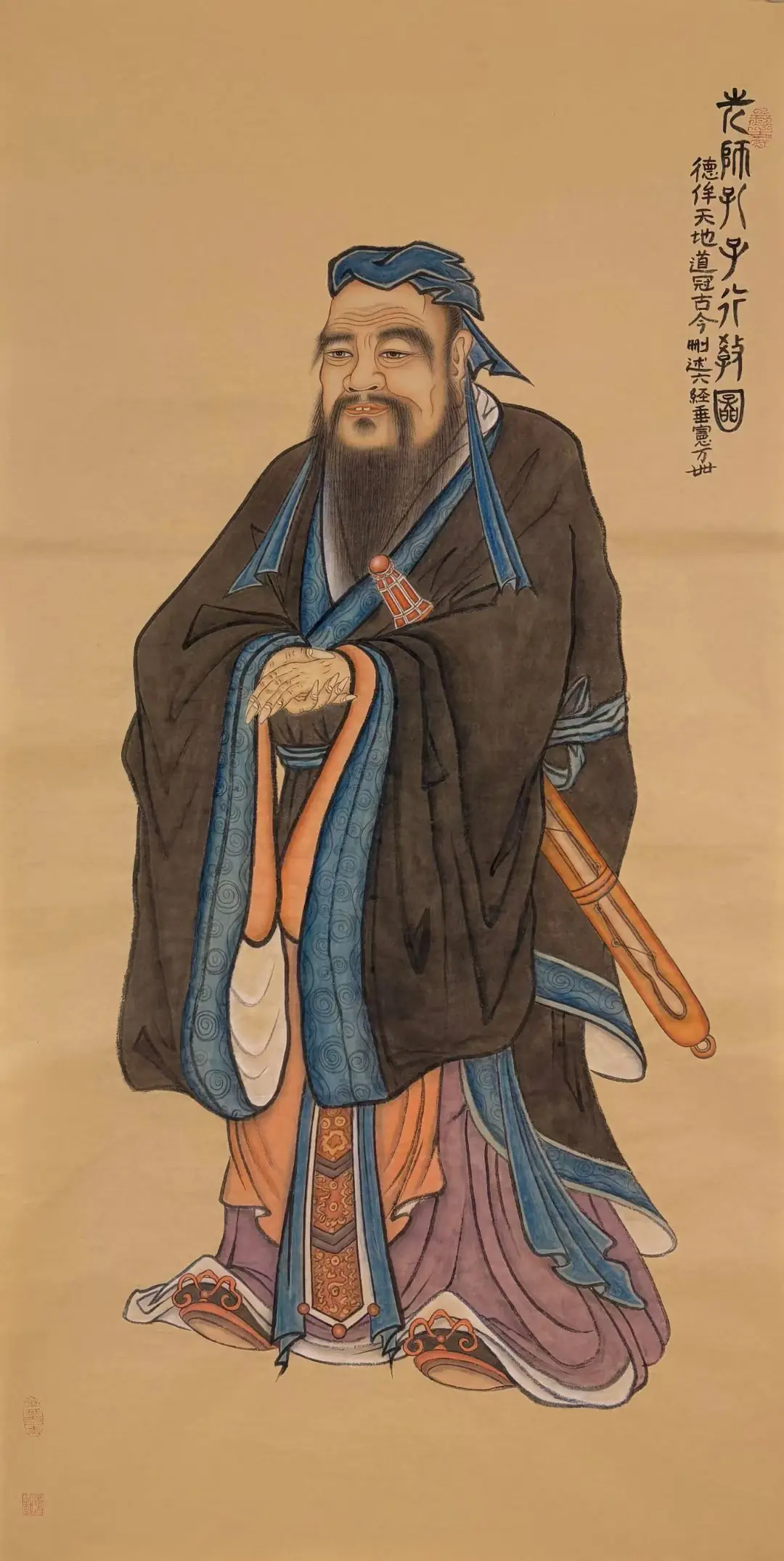
This passage, recorded in the Analects (Lúnyǔ 15.2), dates from the late Spring and Autumn period (c. 5th century BCE), a time of political turmoil and social upheaval in ancient China. Confucius (Kǒngzǐ) and his disciples were itinerant scholars seeking to reform rulers through moral persuasion. The scene of starvation in Chen reflects the real dangers faced by those who upheld ideals in a chaotic world. Confucius’s response distinguishes between conditional morality (dependent on fortune) and unconditional virtue (rooted in self-cultivation). This teaching has profoundly influenced Chinese culture, emphasizing inner resilience (nèi shèng) as the hallmark of true nobility, a core value in Confucian education and ethical leadership.