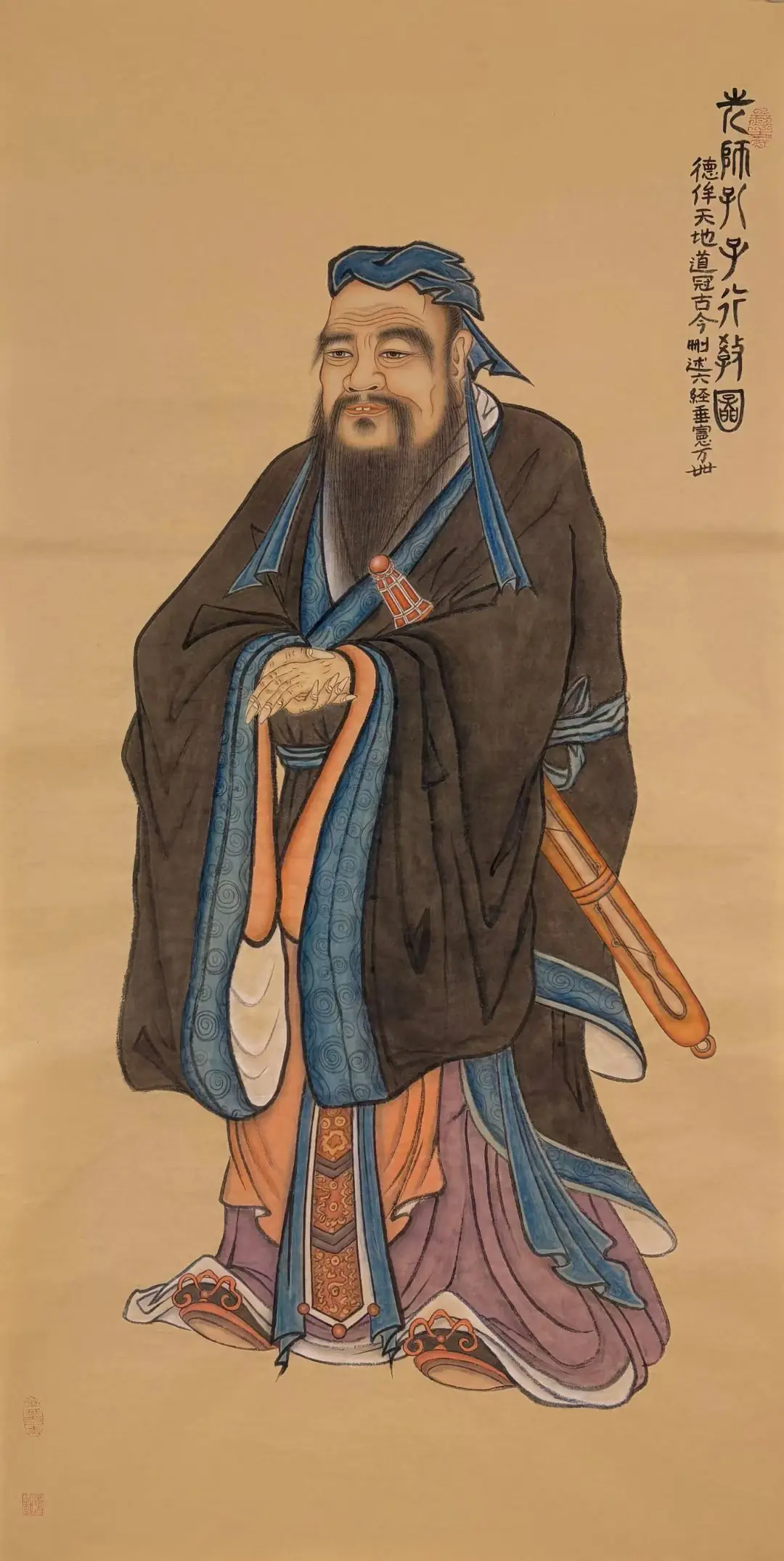
The Original Quote:
子曰:“过而不改,是谓过矣。”
Zǐ yuē: “Guò ér bù gǎi, shì wèi guò yǐ.”
English Translation:
The Master said: “To err and not to amend—this indeed is to err.”
Key Concepts Explained:
- 过 (guò): Error, transgression, or fault; in Confucian ethics, it denotes a deviation from moral propriety (礼, lǐ) that can be corrected through self-cultivation.
- 改 (gǎi): Amendment, reform, or change; the active process of rectifying one’s conduct, central to the ideal of self-improvement (修身, xiūshēn).
- 仁 (rén): Benevolence or humaneness; the cardinal virtue that motivates one to acknowledge and correct faults, reflecting inner moral sincerity.
Cultural Context:
This passage from the Analects (论语, Lúnyǔ) reflects Confucius’s emphasis on moral agency and the transformative power of self-correction. In classical Chinese thought, error is not a mark of shame but an opportunity for growth—a view contrasting with rigid legalist or fatalist traditions. The historical examples of Duke Ling of Jin, who refused to amend and met his downfall, and King Zhuang of Chu, who embraced reform and achieved hegemony, illustrate the pragmatic and ethical stakes of this teaching. Confucius’s dictum has shaped East Asian educational and bureaucratic cultures, where acknowledging and correcting mistakes is seen as a sign of wisdom and virtue, not weakness.