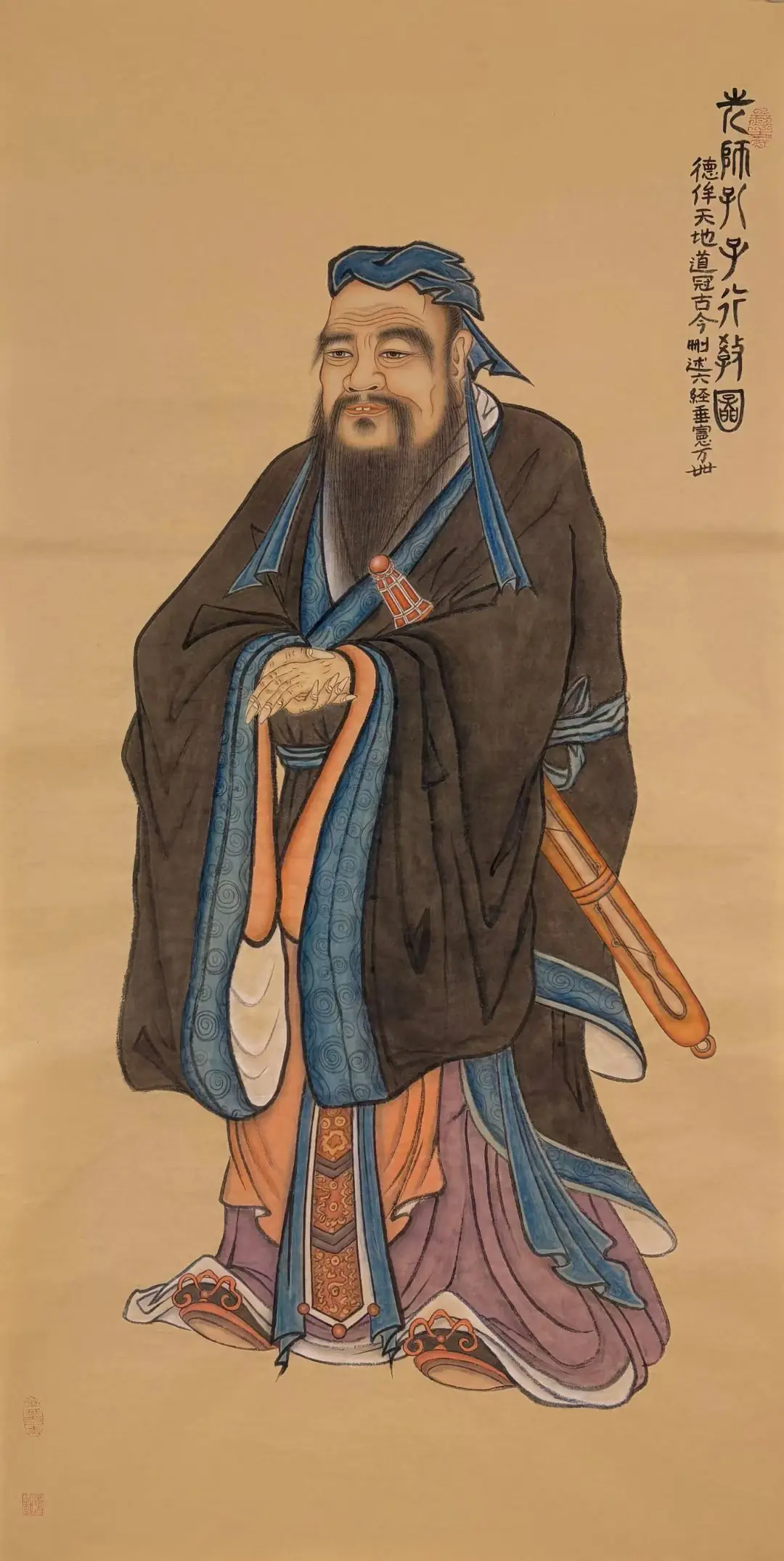
The Original Quote:
子曰:“君子矜而不争,群而不党。”
Zǐ yuē: “Jūnzǐ jīn ér bù zhēng, qún ér bù dǎng.”
English Translation:
The Master said: “The exemplary person (jūnzǐ) is dignified yet not contentious; he is sociable yet not partisan.”
Key Concepts Explained:
- Jūnzǐ (君子): A morally cultivated person who embodies virtue and serves as a social model; often translated as “gentleman” or “noble person.”
- Jīn (矜): Dignified reserve or solemn composure, reflecting inner strength without arrogance.
- Bù zhēng (不争): Non-contentiousness—the avoidance of petty disputes and aggressive rivalry, rooted in self-discipline.
- Qún (群): Sociability and harmonious integration within a community, emphasizing cooperation over isolation.
- Bù dǎng (不党): Non-partisanship—rejecting factional cliques formed for narrow self-interest, which undermine broader social harmony.
Cultural Context:
This passage from the Analects (Lúnyǔ) reflects Confucius’s vision of social order through personal virtue. In ancient China, “dǎng” (党) originally referred to informal groups bound by shared interests, not modern political parties. Confucius warned against such factions because they breed conflict and erode collective well-being. Historical examples, like the Tang dynasty’s Niu-Li factional strife (Niú Lǐ Dǎngzhēng), illustrate how partisan rivalry—driven by personal grudges and power struggles—can destabilize entire regimes. For modern readers, this teaching underscores the balance between individual integrity and community engagement: one should maintain dignified independence while contributing to society, avoiding the divisiveness of cliques. It remains a timeless lesson in ethical leadership and civic harmony.