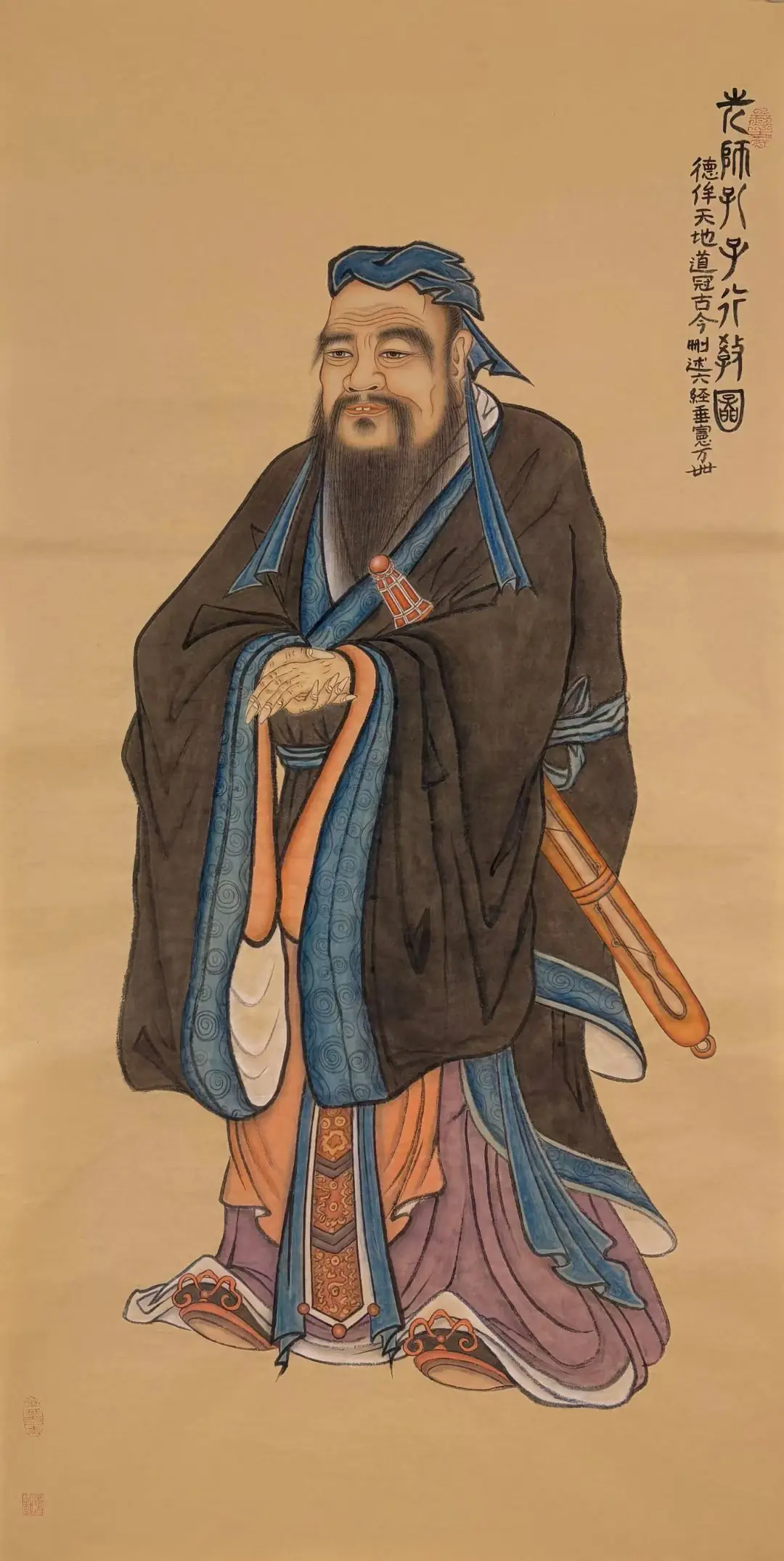
The Original Quote:
子曰:“人无远虑,必有近忧。”
Zǐ yuē: “Rén wú yuǎn lǜ, bì yǒu jìn yōu.”
English Translation:
“If a man takes no thought for what is distant, he will surely find sorrow near at hand.” — rendered in classical cadence
Key Concepts Explained:
- 远虑 (yuǎn lǜ): Long-range deliberation or far-sighted planning; a virtue of temporal vision that anticipates consequences beyond the immediate moment.
- 近忧 (jìn yōu): Present anxieties or imminent troubles; the natural consequence of neglecting foresight, often tied to short-sightedness in moral or practical affairs.
- 仁 (rén): Benevolence or human-heartedness; the core Confucian virtue that, when cultivated with foresight, enables one to act with compassion and wisdom over time.
Cultural Context:
This aphorism from The Analects (Lunyu 15.12) crystallizes a foundational principle in Confucian ethics: the integration of temporal awareness with moral self-cultivation. In Warring States-era China (c. 5th–3rd century BCE), rulers and scholars alike faced volatile political landscapes, where short-term gains often led to long-term ruin. Confucius (Kongzi) here teaches that yuǎn lǜ is not mere pragmatism but a moral imperative—a reflective habit that aligns action with enduring values. Over centuries, this saying became a proverbial guide in Chinese governance, education, and personal life, urging individuals to transcend immediate gratification and cultivate a vision rooted in rén and lǐ (ritual propriety). Its enduring relevance lies in its universal call: to see beyond the present, not with anxiety, but with the hopeful wisdom that future peace is earned through present thought.