The Original Quote:
子曰:“君子义以为质,礼以行之,孙以出之,信以成之。君子哉!”
Zǐ yuē: “Jūnzǐ yì yǐ wéi zhì, lǐ yǐ xíng zhī, xùn yǐ chū zhī, xìn yǐ chéng zhī. Jūnzǐ zāi!”
English Translation:
“The exemplary person (jūnzǐ) takes righteousness (yì) as the very substance of character, enacts it through ritual propriety (lǐ), gives it expression with humility (xùn), and brings it to completion with trustworthiness (xìn). Such indeed is the exemplary person!”
Key Concepts Explained:
- Yì (义): Righteousness or moral duty—the inner compass of what is fitting and just, forming the core substance of character.
- Lǐ (礼): Ritual propriety—the structured, ceremonial norms and social practices that give form to virtuous action.
- Xùn (孙): Humility or deferential speech—literally “yielding,” it denotes a modest, respectful manner of expression.
- Xìn (信): Trustworthiness or sincerity—the quality of being true to one’s word and completing actions with integrity.
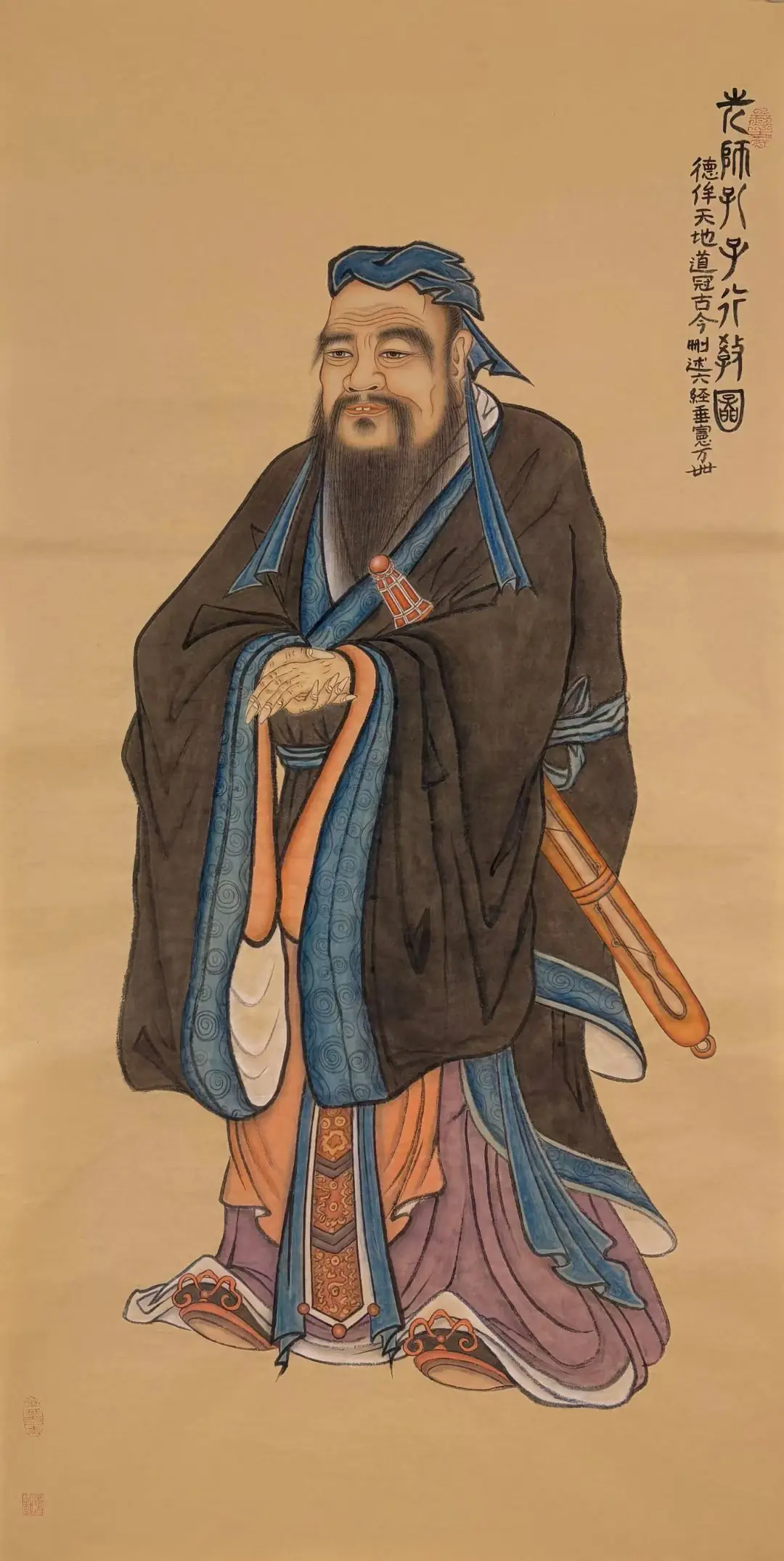
Cultural Context:
This passage from The Analects (Lúnyǔ, 论语) encapsulates Confucius’s vision of the jūnzǐ (君子)—originally a term for aristocratic birth, but redefined by Confucius as a moral ideal attainable through self-cultivation. In the turbulent Spring and Autumn period (770–476 BCE), when traditional hierarchies were crumbling, Confucius championed an ethical framework where inner virtue (yì) and outer conduct (lǐ) must harmonize. This teaching remains foundational in East Asian education, emphasizing that true leadership arises not from status but from the disciplined integration of principle, propriety, humility, and reliability.