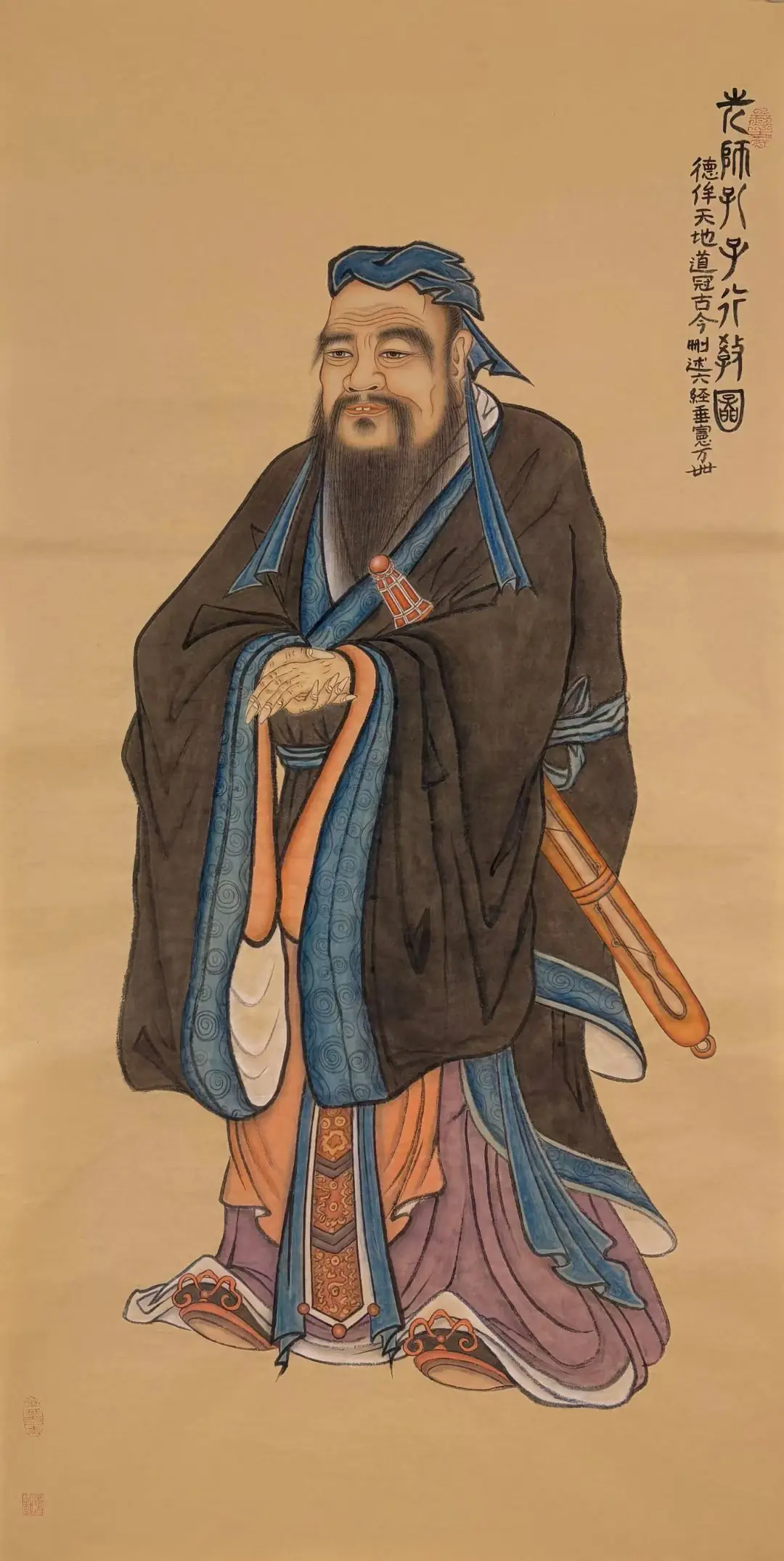
The Original Quote:
卫灵公问陈于孔子,孔子对曰:“俎豆之事,则尝闻之矣;军旅之事,未之学也。”明日遂行。
Wèi Línggōng wèn zhèn yú Kǒngzǐ, Kǒngzǐ duì yuē: “Zǔ dòu zhī shì, zé cháng wén zhī yǐ; jūn lǚ zhī shì, wèi zhī xué yě.” Míngrì suì xíng.
English Translation:
Duke Ling of Wei inquired of Confucius concerning the arrangement of battle formations. Confucius replied, “As for matters of sacrificial vessels and ritual offerings, I have indeed heard of them; but concerning the arts of war and military campaigns, I have never studied them.” On the following day, he departed forthwith.
Key Concepts Explained:
- Ritual Propriety (礼, Lǐ): The system of social norms, rites, and ceremonies that guide human conduct, ensuring harmony and order in relationships—from state governance to personal interactions. It is the foundation of moral cultivation and societal stability.
- Benevolence (仁, Rén): The core Confucian virtue of humaneness, compassion, and love for others, which underlies all ethical actions and the proper exercise of ritual.
- Mandate of Heaven (命, Mìng): The cosmic decree that legitimizes righteous rule; a ruler who upholds ritual and benevolence aligns with this mandate, while one who resorts to war risks losing it.
Cultural Context:
This passage from the Analects (Book 15, Chapter 1) captures Confucius’s subtle yet firm opposition to militarism during the chaotic Spring and Autumn period, when warring states frequently resorted to force. By feigning ignorance of military matters, Confucius redirects attention to ritual governance (以礼治国, yǐ lǐ zhì guó)—the idea that a state’s strength lies not in conquest but in cultivating moral order through shared norms and ceremonies. His departure signals a refusal to condone aggression, echoing the broader Confucian belief that sustainable peace arises from ethical leadership, not violence. This principle remains relevant today, as institutions—from nations to corporations—rely on rules and social contracts (akin to lǐ) to maintain stability, while unchecked conflict leads to mutual ruin.