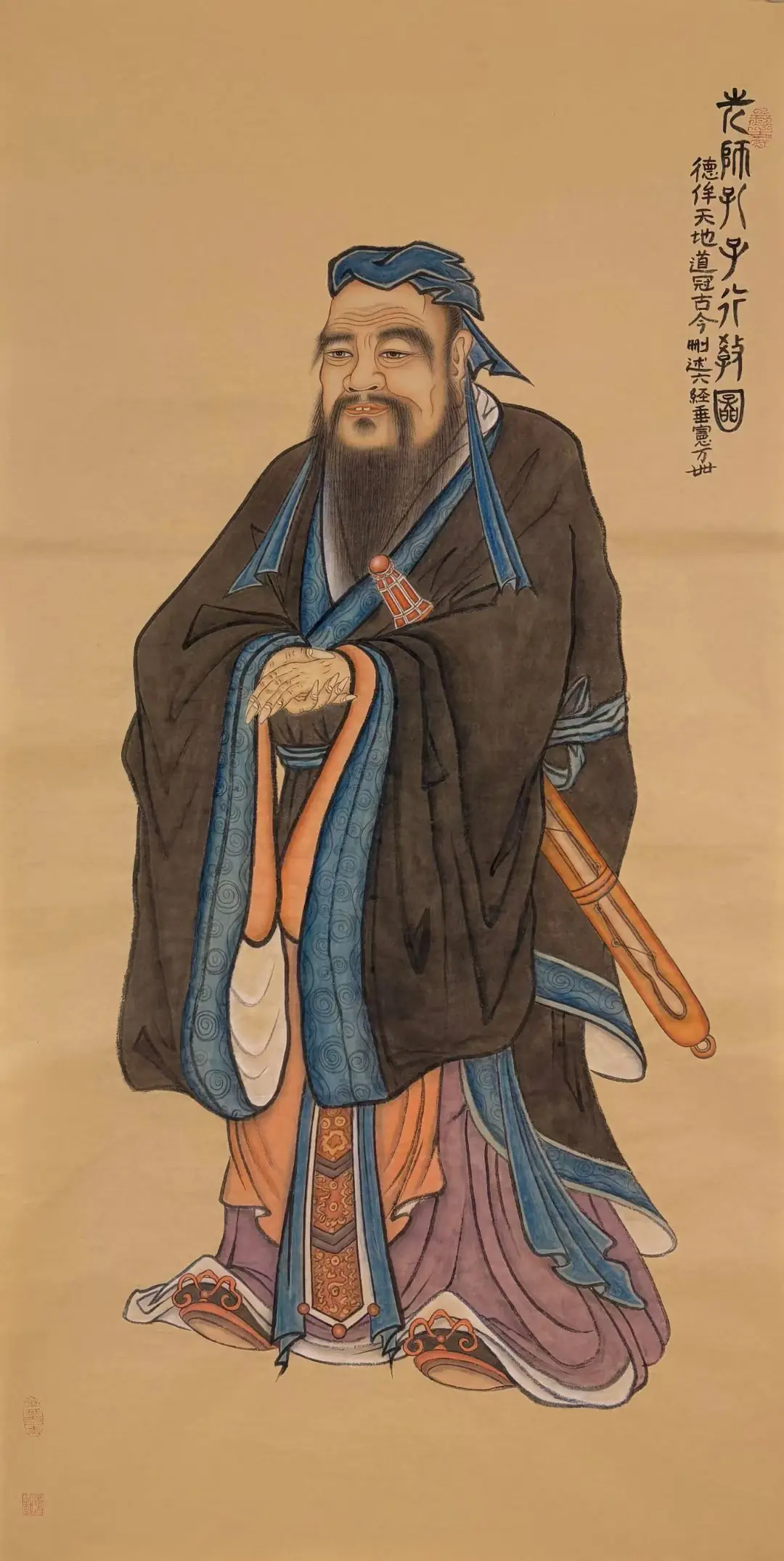
The Original Quote:
子曰:“君子不可小知而可大受也,小人不可大受而可小知也。”
Zǐ yuē: “Jūnzǐ bù kě xiǎo zhī ér kě dà shòu yě, xiǎorén bù kě dà shòu ér kě xiǎo zhī yě.”
English Translation:
The Master said: “The noble person cannot be known through small matters, yet may be entrusted with great responsibilities; the petty person cannot be entrusted with great responsibilities, yet may be known through small matters.”
Key Concepts Explained:
- 君子 (Jūnzǐ): The “noble person” or “exemplary person”—one who embodies moral cultivation and broad capacity, capable of bearing weighty tasks.
- 小人 (Xiǎorén): The “petty person” or “small-minded person”—here referring not to moral deficiency but to limited scope of talent, suited for minor but specific contributions.
- 知 (Zhī): To “know” or “discern”—in this context, assessing a person’s worth through small, observable deeds.
- 受 (Shòu): To “receive” or “shoulder”—entrusting with responsibilities that match one’s capacity.
Cultural Context:
This passage from the Analects of Confucius (c. 5th century BCE) reframes the classic distinction between jūnzǐ and xiǎorén from moral hierarchy to a pragmatic recognition of diverse talents. In an era of feudal states competing for survival, Confucius advised rulers to see every individual’s unique strengths—whether grand or humble—as resources for governance. The commentary invokes the story of Mengchang Jun, a Warring States nobleman who employed “petty” talents like a thief and a rooster-imitator to escape captivity, illustrating that even seemingly trivial skills can prove decisive. Thus, the teaching advocates for a managerial wisdom: assign great tasks to those of broad capacity, and small tasks to those of narrow but reliable ability, ensuring that no person’s worth is wasted.