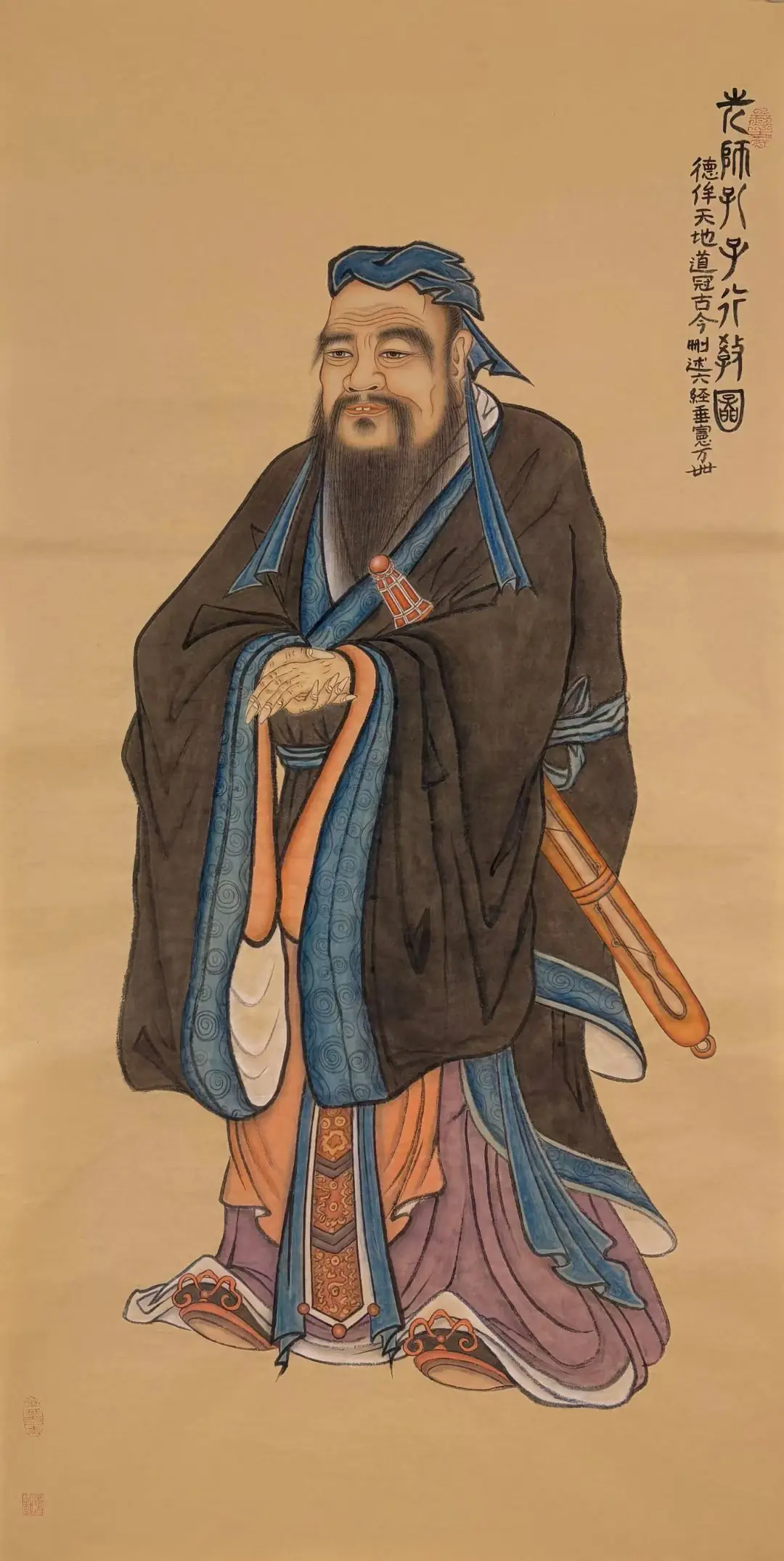
The Original Quote:
子曰:“众恶之,必察焉;众好之,必察焉。”
Zǐ yuē: “Zhòng wù zhī, bì chá yān; zhòng hào zhī, bì chá yān.”
English Translation:
“When all despise a man, one must examine him with due care; when all admire a man, one must likewise examine him with due care.”
Key Concepts Explained:
- 察 (chá): To examine, investigate, or discern with thoroughness and impartiality—not merely to observe, but to seek truth beyond surface appearances.
- 众 (zhòng): The multitude or public opinion, which in Confucian thought is respected but never blindly followed, as it may be swayed by bias or convention.
- 仁 (rén): Benevolence or humaneness—the core virtue that requires one to judge others not by popular sentiment but by their intrinsic moral character and actions.
Cultural Context:
This passage from the Analects (Lunyu, 15.28) reflects Confucius’s emphasis on personal integrity and critical thinking in a society where public opinion often held great sway. In ancient China, where social harmony was prized, Confucius warned against the tyranny of the crowd, urging disciples to rely on reasoned inquiry rather than collective approval. This teaching resonates with the broader Confucian ideal of junzi (君子, exemplary person), who cultivates independent moral judgment. Historically, it served as a corrective to the potential pitfalls of mob psychology, reminding rulers and scholars alike that true wisdom lies in discerning the reasons behind praise or blame.