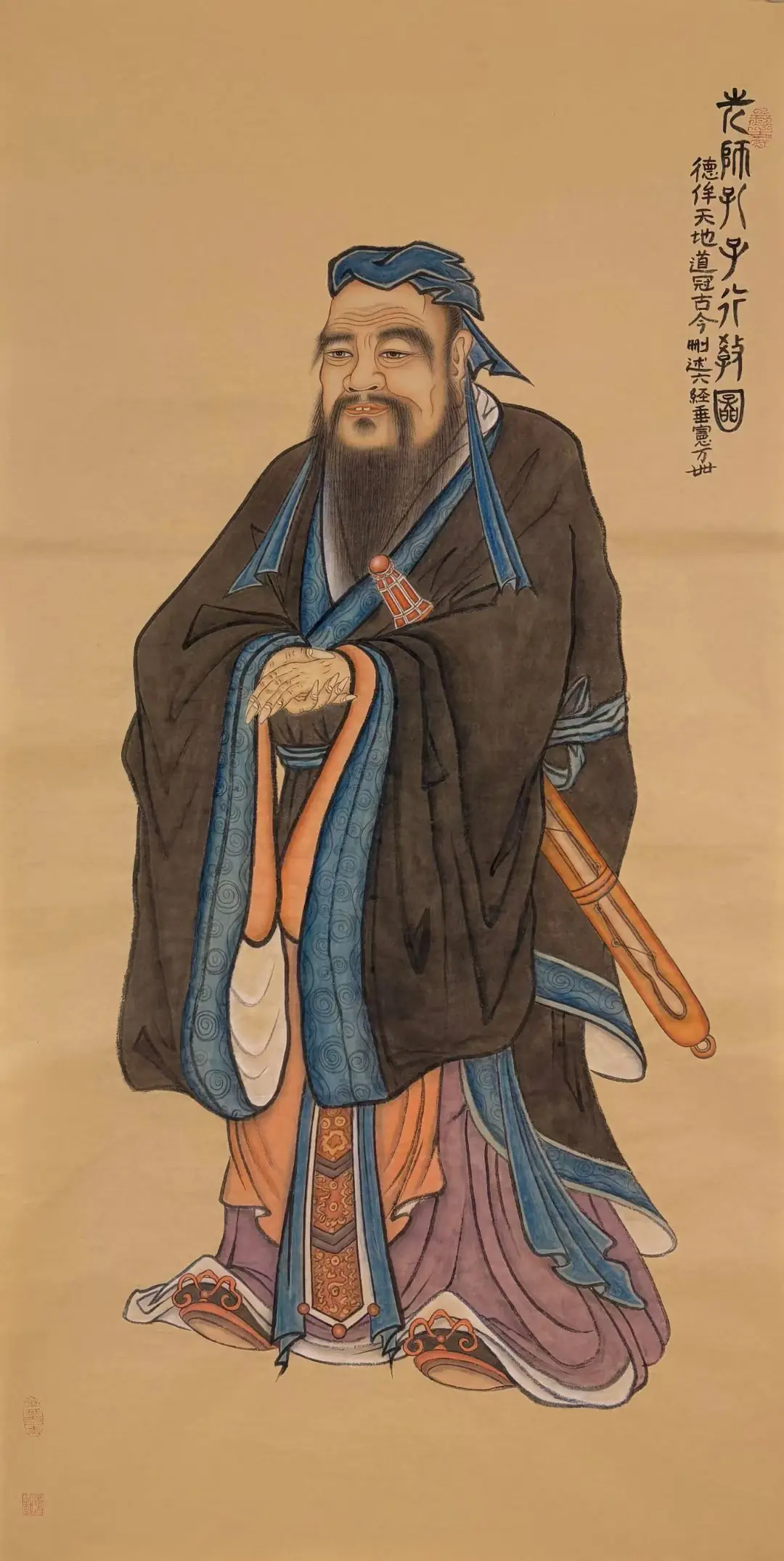
The Original Quote:
子曰:“不曰‘如之何、如之何’者,吾末如之何也已矣。”
Zǐ yuē: “Bù yuē ‘rú zhī hé, rú zhī hé’ zhě, wú mò rú zhī hé yě yǐ yǐ.”
English Translation:
“Those who never ask ‘What is to be done? What is to be done?’—I know not what to do with them.”
Key Concepts Explained:
- Ren (仁): The core Confucian virtue of benevolence or human-heartedness, which requires careful consideration of others in action.
- Li (礼): Ritual propriety or the norms of conduct that guide thoughtful behavior in social contexts.
- Zhi (智): Wisdom or discernment, cultivated through deliberate reflection before acting.
Cultural Context:
This passage from the Analects (Lunyu 15.16) reflects Confucius’ emphasis on conscientious deliberation as a foundation for moral character. In ancient Chinese society, where decisions impacted family, community, and state, the sage warned against impulsive action. The rhetorical repetition of “如之何” (how to handle it) underscores a disciplined mindset—one that weighs consequences and seeks harmony through careful planning. This teaching remains central in East Asian education, promoting a reflective approach to problem-solving over reckless certainty.