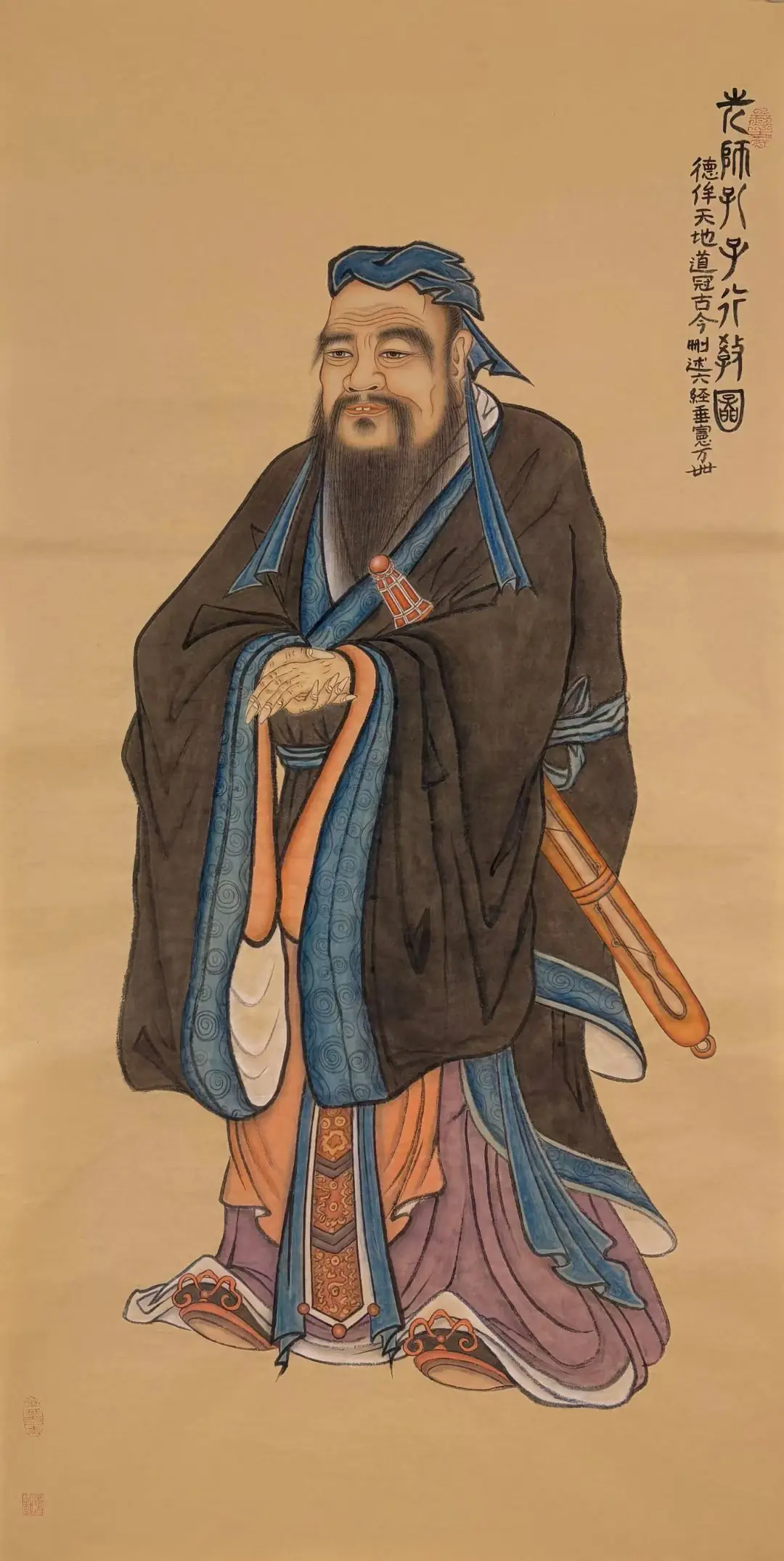
The Original Quote:
子曰:“为命,裨谌草创之,世叔讨论之,行人子羽修饰之,东里子产润色之。”
Zǐ yuē: “Wéi mìng, Bìchén cǎo chuàng zhī, Shìshū tǎo lùn zhī, Xíngrén Zǐyǔ xiūshì zhī, Dōnglǐ Zǐchǎn rùnsè zhī.”
English Translation:
The Master said: “In the crafting of a state decree, Bichen first drafted it; Shishu then deliberated upon it; the diplomatic officer Ziyu revised and adorned it; and finally, Dongli Zichan polished and gave it grace.”
Key Concepts Explained:
- 命 (Mìng): A formal decree or diplomatic communiqué, here signifying the weighty pronouncements of state that require utmost care and ritual propriety.
- 礼 (Lǐ): Ritual propriety and social order; the principle that every action, including drafting documents, must follow due process and form to reflect inner virtue.
- 仁 (Rén): Benevolence or humaneness, implicitly guiding the leaders to employ talents wisely and serve the people through meticulous governance.
- 行人 (Xíngrén): An official title for an envoy or diplomat, responsible for external relations and the refinement of language to maintain harmony between states.
Cultural Context:
This passage from the Analects (Lúnyǔ) praises Zichan, a revered minister of the State of Zheng during the Spring and Autumn period. Confucius admired how Zichan orchestrated a four-step process for composing state documents, each step entrusted to a different official’s expertise—drafting, discussion, revision, and polishing. This reflects the Confucian ideal of collective wisdom, careful deliberation, and ritual precision in governance. The episode is also recorded in the Zuǒ Zhuàn (Zuo Commentary, Year 31 of Duke Xiang), highlighting its historical authenticity. For English-speaking learners, it illustrates how Confucianism values procedural integrity and collaborative leadership as foundations for a harmonious society.