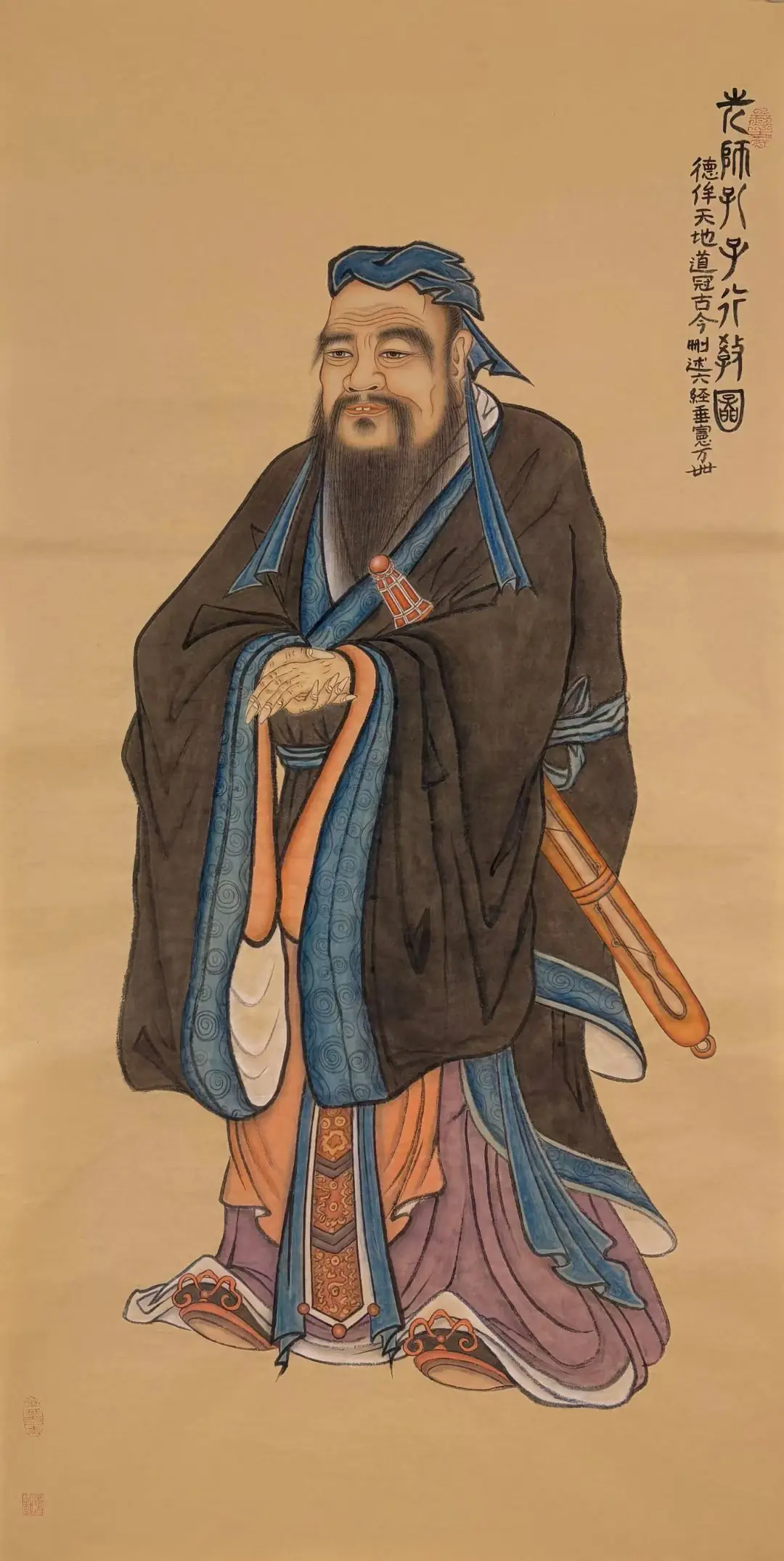
The Original Quote:
子曰:“古之学者为己,今之学者为人。”
Zǐ yuē: “Gǔ zhī xué zhě wèi jǐ, jīn zhī xué zhě wèi rén.”
English Translation:
The Master said: “In antiquity, those who pursued learning did so for the sake of self-cultivation; in our age, those who pursue learning do so for the sake of impressing others.”
Key Concepts Explained:
- 为己 (wèi jǐ): Learning for oneself—a commitment to inner moral cultivation, self-improvement, and the sincere pursuit of virtue (德, dé) as an end in itself.
- 为人 (wèi rén): Learning for others—the instrumental use of knowledge as a tool for social recognition, fame, or material gain, often at the expense of genuine self-development.
- 仁 (rén): Benevolence or humaneness—the core Confucian virtue that learning should cultivate, reflecting an authentic moral character rather than outward display.
Cultural Context:
This passage from the Analects (论语, Lúnyǔ) captures Confucius’s concern with the moral integrity of learning. In early Zhou dynasty culture, education was deeply tied to ritual propriety (礼, lǐ) and self-cultivation aimed at achieving harmony with the Way (道, dào). By Confucius’s time, however, the rise of competitive statecraft and social mobility had led many to treat learning as a means of gaining prestige or office. This critique remains relevant today, challenging modern learners to reflect on whether their education serves inner growth or external validation—a timeless call for authenticity in the pursuit of knowledge.